

Not Refrigerators, Not Dishwashers: The Kitchen Appliance That's Raising Your Electric Bill
If you've noticed an increase in your electric bills, you aren't alone. According to data from the Energy Information Administration (EIA), the average U.S. electricity rate in 2026 has risen about 7% since 2025, leaving many feeling like home electricity prices are out of control. Heating and cooling tend to account for the most energy usage in homes, but your kitchen appliances also need electricity to do their jobs. And while your refrigerator, air fryer, and oven contribute to your total energy usage, there's another sneaky kitchen appliance that may be impacting your monthly bill — your electric stovetop.
On average, most electric stoves consume between 1,000 and 3,000 watts of electricity per hour, depending on the model and the burner size being used. Compared to a refrigerator, which uses between 300 and 800 watts per hour, it's easy to see how using your electric stove can quickly raise your energy costs. Thankfully, you don't have to cut out using your electric stovetop altogether. You can also reduce your energy costs at home by using the right burner, keeping your stovetop clean, and making energy-efficient choices.
How much is your electric stove costing you?
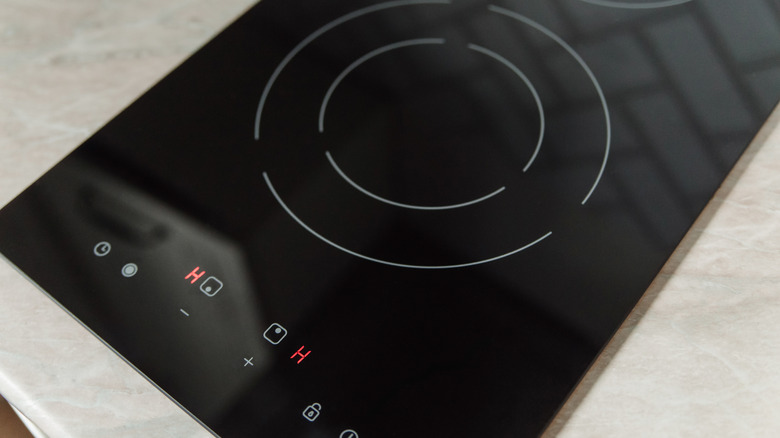
If you're trying to cut electricity costs by finding kitchen appliances that are wasting energy, your stove could be a culprit. Electric stoves use a burst of electricity to heat up burners and steadily consume power to keep those burners at an even temperature. Millions of U.S. households use their stovetop multiple times a week, which can quickly raise those monthly electricity bills.
As an example, let's consider an electric stovetop that uses 2,000 watts. The national average electric rate is around $0.17 per kilowatt-hour (kWh), according to the U.S. Energy Information Administration (EIA). If you use your stove for two hours every day, your yearly costs can add up to around $248. Keep in mind that electricity rates vary by state and fluctuate throughout the year, so your total energy costs may differ from the national average. You can look at your past energy bills to find your actual rate.
Ways to save on energy costs when using electric stoves

Electric stoves are a staple appliance in most kitchens, but they have some hidden downsides, including their energy efficiency. If you're searching for ways to lower your monthly energy bills, there are a few simple adjustments you can make with your stovetop that may help. For starters, make sure you match the burner size to the pot or pan you're using. Larger burners use more electricity to heat up a bigger area, so you shouldn't use your largest burner to heat a small pan.
You should also keep the lid on pots when you're trying to boil water. The lid will trap the steam and speed up the boiling process, which can reduce your total cooking time. Keeping your burners clean can also help them transfer heat more efficiently, so they'll use less energy to cook your meal.
Finally, if you're in the market for a new electric stovetop, consider getting an ENERGY STAR-certified model. These products meet specific efficiency standards and are 18% more energy efficient compared to non-certified models. You can usually filter for ENERGY STAR products on a home improvement store's website or find certified models on the ENERGY STAR site. While upgrading to a more efficient electric stovetop may not be in everyone's budget, it could be a smart move if you're renovating your kitchen or your current stovetop is nearing the end of its lifespan.