

16 Best Annuals To Fill Your Planters In June And Attract Hummingbirds
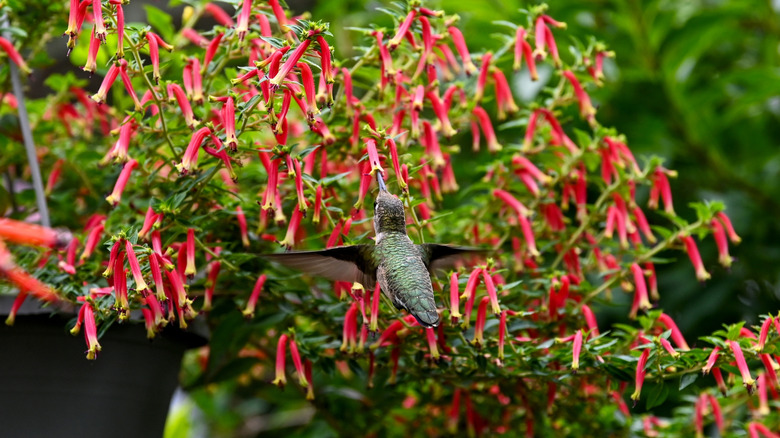
Mother Nature is replete with magical phenomena, and hummingbirds are certainly one of them. These "jeweled messengers" of the Americas — as David Attenborough describes them — look stunning as they zip from flower to flower, sipping nectar or grabbing insects, in their iridescent, feathery glory. But if space is limited, there's still good news: You can attract hummingbirds by growing their favorite flowers in planters.
Since June seems like the perfect time to bring in summer color and the humming of birds, consider planting annuals like scarlet sage, pentas, summer snapdragons, and cleome, to name a few. Depending on your climate, some may already be blooming while others will continue flowering through frost. Hummingbirds are typically drawn to brightly colored flowers that contrast sharply with the foliage, thus standing out. While warm reds and oranges surely top the list, they also feel a pull towards yellow, pink, and purple blooms.
However, the most important factors are nectar-rich blooms and flower shapes that accommodate their long beaks and tongues, which are often tubular. Also, keep in mind that annuals do not last beyond one growing season and must be replaced. Aim to plant a variety of nectar-rich flowers within the planter to gain the most traction with these tiny creatures.
Scarlet sage
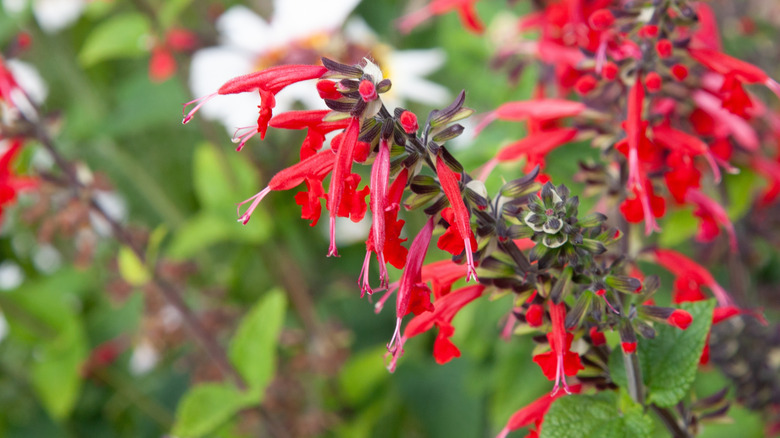
To add a vertical, wispy texture to your planters, grow scarlet sage (Salvia coccinea). From the whorl of leaves rise 10-inch-long stalks covered in nectar-rich, bright red tubular blooms that easily grab the attention of hummingbirds – hence why it's also called hummingbird sage. Deadhead faded blooms throughout the growing season to encourage continual reblooming. But leave the last flush be so it may set seeds and eventually lure in seed-eating birds. Pairing scarlet sage with petunias or cupheas will further raise your planter's attraction to hummingbirds. Keep the plants well-watered, especially in the heat, or they might perform poorly.
Pentas
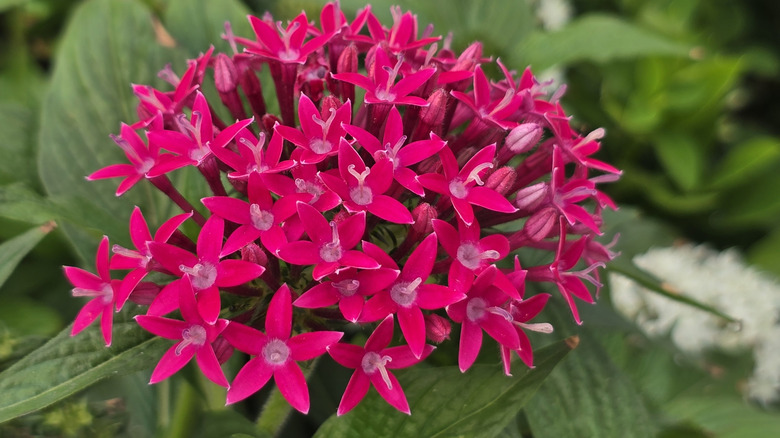
Commonly named Egyptian star flowers, pentas (Pentas lanceolata) are some of the best annuals to grow in June for summer-long blooms. Choose pink, red, or orange varieties to attract hummingbirds, especially ruby-throated hummingbirds. Ideally, you should grow them in a full-sun container with well-draining soil, though they can still flower in light shade. To fill up the planters quickly, space the plants closely. Pinching the stem tips can encourage bushier growth and more blooms, though it may slightly delay flowering. Barring freeze-free areas, pentas are grown as annuals, though you can overwinter them inside to avoid buying new plants next year.
Cigar flower
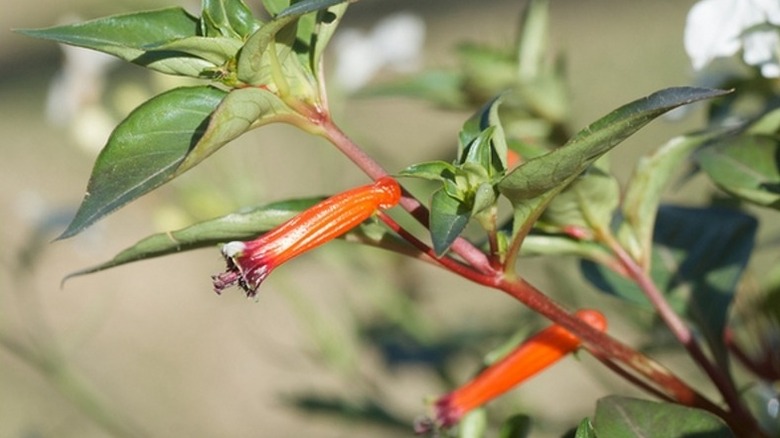
Named for its reddish-orange, cigar-shaped flowers, cigar flower (Cuphea ignata) is a great addition to bring a pop of color and hummingbirds to your summer planters. And if the season is long enough, the show can last through the first frost. In hotter climates, grow it in partial shade, while full sun works better in cooler regions. Even though it's treated as an annual, you can overwinter it as a houseplant or in hanging baskets. Alternatively, you can take stem cuttings in the fall to propagate new plants. Trim the foliage after flowering to keep the plant tidy.
Bat-faced cuphea
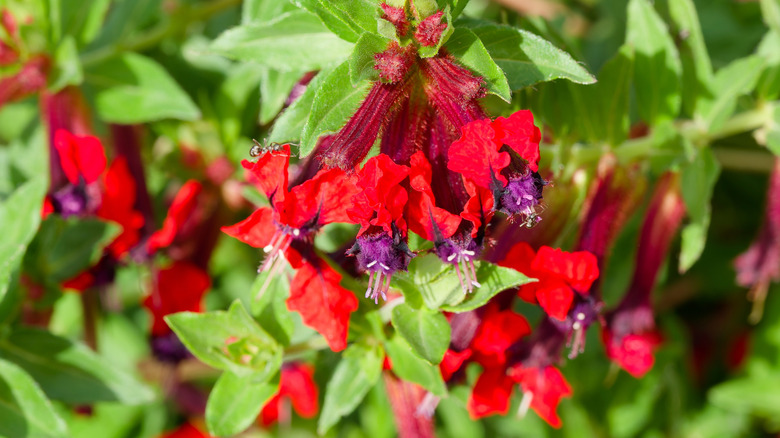
Give your planters a unique spin with bat-faced cuphea (Cuphea llavea). Each flower has a purple calyx from which emerge two red petals on either side, resembling a bat's face. Since it begins blooming in late spring, you can look forward to an instant display that fills out further during summer, lasting through frost. In addition to hummingbirds, it also attracts butterflies. Bat-faced cuphea thrives in full sun exposure, though it can handle some shade too. Expect it to grow over 12 inches tall and wide, and prune it back if it starts looking leggy.
Summer snapdragons
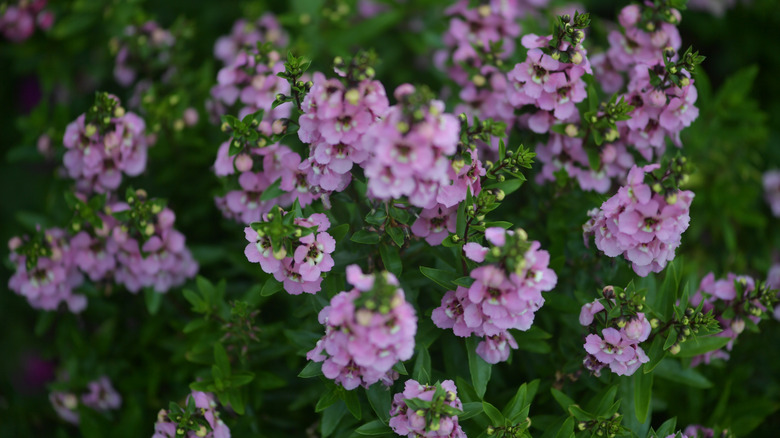
Boasting a variety of colors, including pink, purple, and rose lilac, summer snapdragons (Angelonia spp.) are the perfect addition to hummingbird-friendly planters located in hot regions. Once established, they become highly capable of handling heat and drought. Better yet, they don't attract many pests, including deer, ensuring your planters remain colorful throughout the summer. Still, if you ever find them looking drab or sickly, you can simply cut them back by about half, and they will be floriferous again in a couple of weeks. Space the upright forms closer at about 9 inches to minimize floppiness.
Cleome
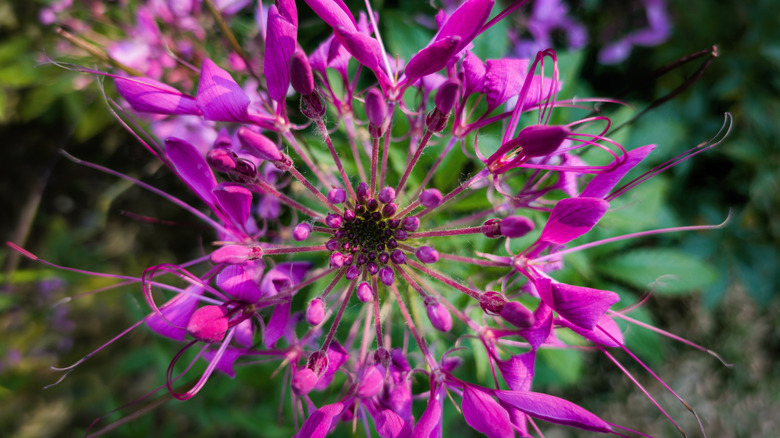
Starting from June until it is frost-killed, cleome (Cleome hassleriana) bears spider-like plumes that open bottom-up in a spectrum of rose, pink, or purple, enticing hummingbirds and other pollinators to visit your yard. For planters, opt for dwarf or compact cultivars, such as those from the Senorita or Sparkler series, as they're easier to maintain. But keep in mind that Senorita series doesn't produce viable seeds and must be repurchased each year. Regardless of the variety, give the plants a quick sniff before buying, as some cleomes have a strong, skunk-like scent. Water them regularly during dry spells.
Lantana
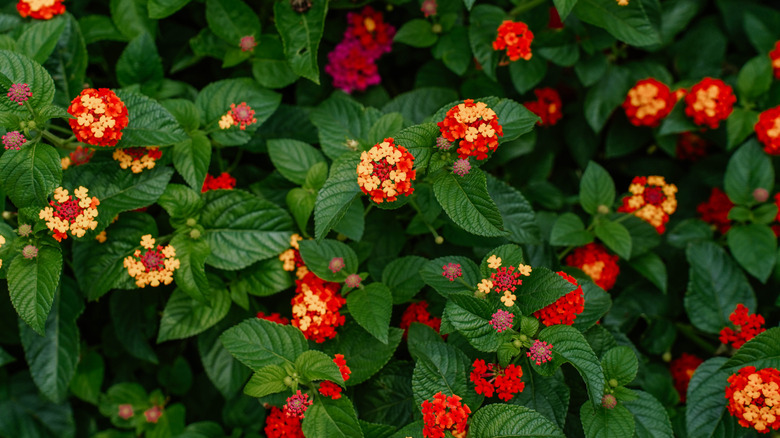
Because most lantana (Lantana camara) plants struggle to survive temperatures below 28 degrees Fahrenheit, they're usually grown as annuals. Given at least six hours of direct sunlight, they burst forth streams of multi-colored blooms, calling in hummingbirds, butterflies, and other pollinators for most of the summer. If your lantanas produce lots of berries, consider deadheading spent blooms to encourage more flowers. Fertilizing them monthly may also enhance flowering. To enjoy the same variety next year, take some hardwood cuttings during the fall for propagation. Lantana is labelled invasive in some US states, and should accordingly not be planted there.
Impatiens
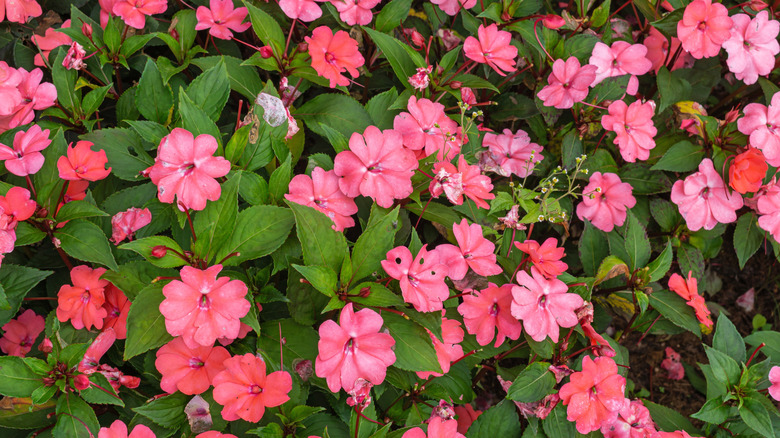
If you want to plant a fast-growing flower that thrives in shade and attracts hummingbirds, look into impatiens or busy lizzy (Impatiens walleriana). Cultivars come in a range of solid and bi-colored blooms, including shades of red, purple, and pink. Although most gardeners plant them in spring to make the most of their exceptionally long blooming season, growing them in June isn't too late since they'll be in active bloom and remain so until frost. Avoid growing them in hot, humid areas, where they may grow tatty from the heat. Late-season pruning may help refresh their appearance if they start looking worn out.
Calibrachoa
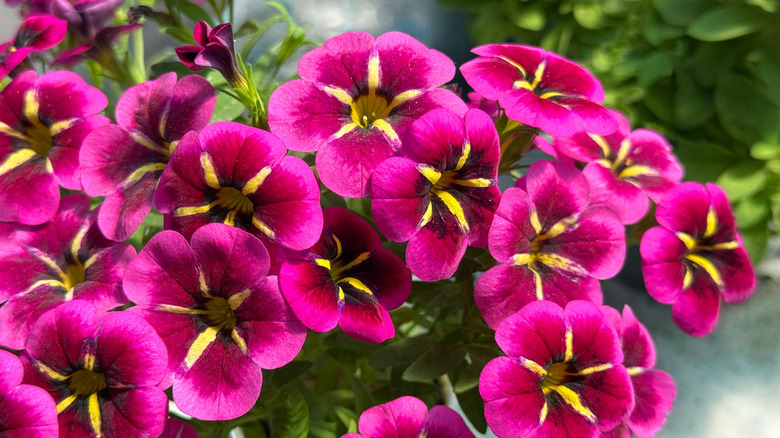
Want to inject drama through hummingbird-friendly annuals that cascade down your planters? Consider calibrachoa or million bells (Calibrachoa spp.). Thanks to extensive breeding, calibrachoa offers a wide variation in form, habit, and blooming quality. Regardless, most varieties begin blooming in June and continue until frost. Site them where they receive at least eight hours of direct sun exposure, though if it gets too hot during afternoons, move the planters briefly for that duration to shade. As they prefer rich, fast-draining soils, look for a well-rounded (and not just a peat-based) potting mix.
Cardinal climber
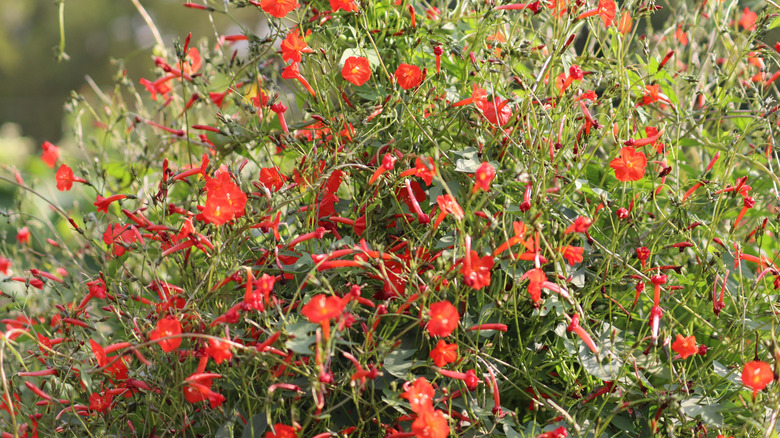
Don't let a limited area dissuade you from creating a hummingbird-friendly habitat. Instead, go vertical by adding a trellis to your planter and training cardinal climber (Ipomoea x multifida, syn. I. sloteri) over it. Yellow-throated, red tubular flowers open during the day to attract ruby-throated hummingbirds and butterflies before closing at night. This display lasts until the seasonal frost. Since cardinal climbers produce many seeds, save a few for direct sowing in the next growing season, and dispose of the others to prevent them from germinating and taking over spaces where they're unwelcome.
Common zinnia
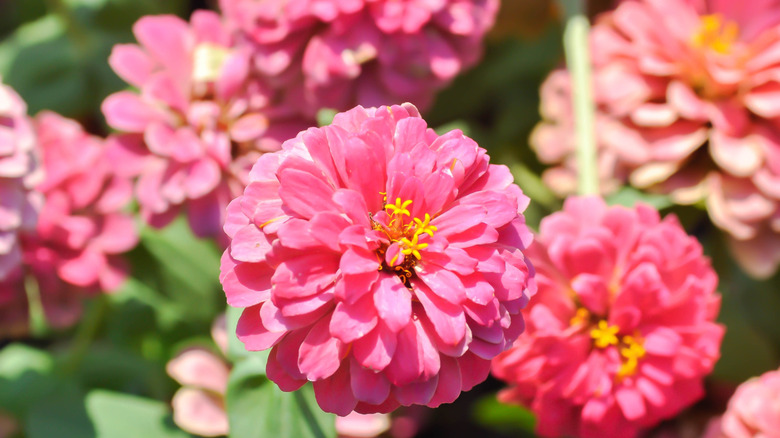
Certain tall varieties of common zinnia (Zinnia elegans) with orange, pink, or red, flat-headed blooms are especially attractive to hummingbirds and butterflies. Depending on your climate, you can either direct sow seeds in June or buy starter plants if you want to avoid issues with seed-eating birds. Zinnias enjoy full sun exposure and do not compromise on drainage, so make sure your planters are placed correctly and have adequate drainage holes. You may team them with other hummingbird-preferred plants, such as cleomes and lantanas.
Amethyst flower
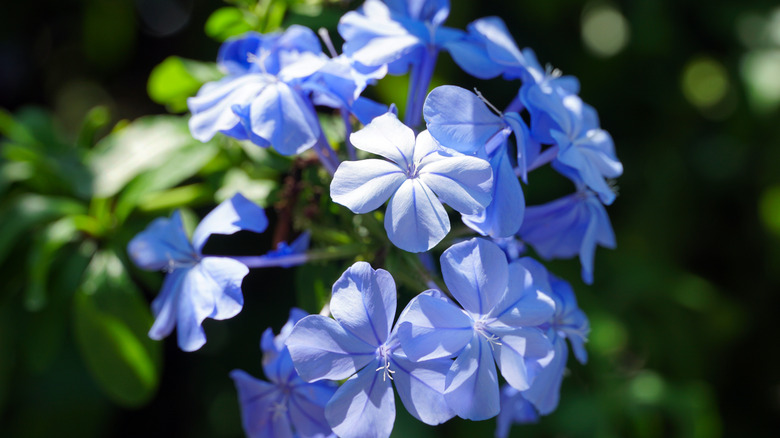
Standing out from the usual warm-colored crowd, the amethyst flower (Browallia speciosa) calls forth hummingbirds with its purplish-blue blooms that appear in summer and fall. You should plant it in a wide, sunny container since it can spread up to 3 feet across. But if the sunlight is too intense, offer shade during the afternoon. Usually, gardeners pick plants from the Troll Series, as they have a dense habit and perform well when potted up. For a trailing or more compact form, look into the Bell or Starlight series instead. Keep in mind that the plant may be toxic to pets.
'Amistad' sage
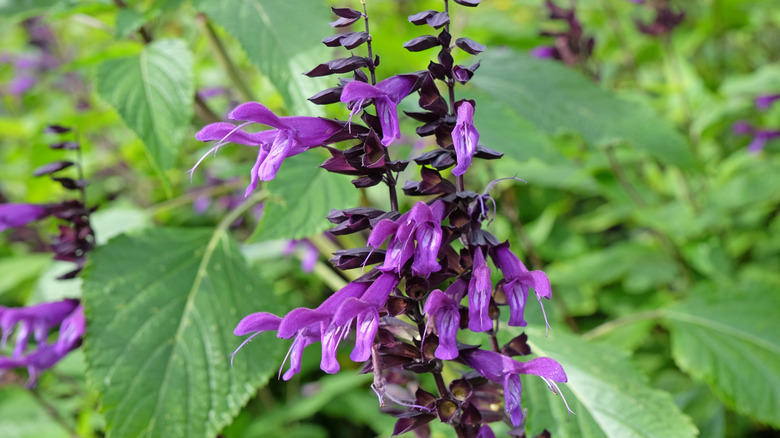
Want your large planters to feel luxurious and royal in June while infusing the area with a pleasant aroma? Try planting 'Amistad' sage (Salvia 'Amistad'), or friendship sage. Atop near-black stems, they feature deep purple flowers that magnetize hummingbirds and onlookers alike, onward until the frost hits. At times, carpenter bees may venture inside too to pilfer the heavenly nectar. Give it a home in a full-sun site or a lightly-shaded area if your summers tend to be super hot. Typically, it's treated as an annual, but it can survive the winter outdoors in frost-free climates.
Toucan Coral canna lily
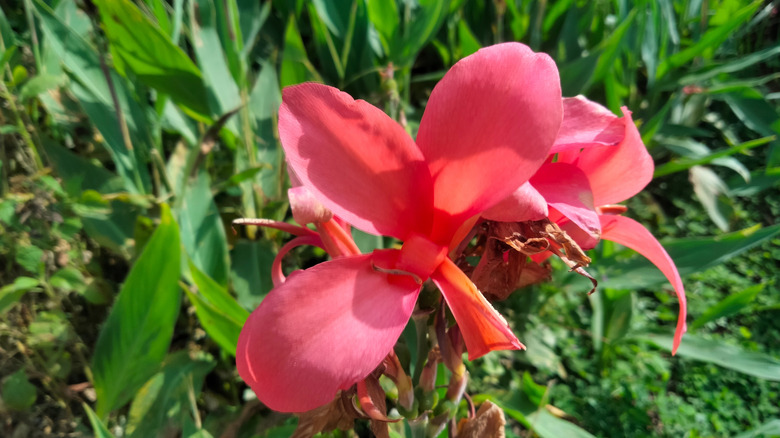
Disease resistance, heat and humidity tolerance, fast growth, and a manageable mature size make the Toucan Coral canna lily (Canna x generalis) an excellent addition to large or mixed planters. These long bloomers produce pinkish-orange flowers from planting until frost, attracting hummingbirds and giving the area a tropical feel. If the container is fairly large, you can couple them with other vigorous growers like petunias that similarly lure in hummingbirds. Be sure to add a slow-release fertilizer during mid-summer to keep the plant going. They grow well in full sun or partial shade.
Funky Pink begonia
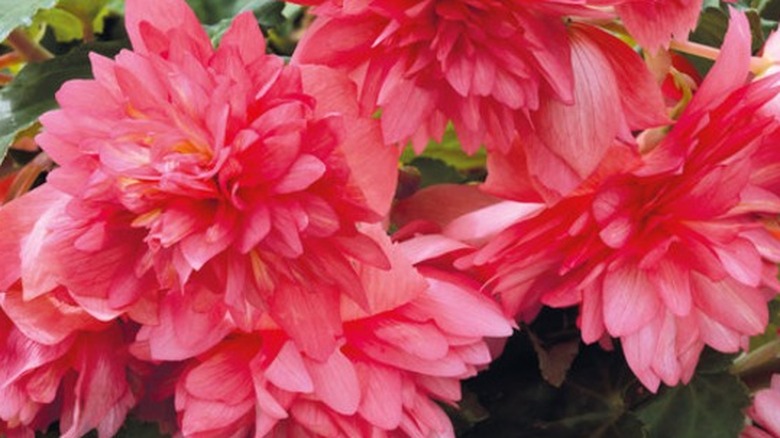
Some other flowers that will transform your space into a hummingbird haven, despite the shade, include Funky Pink begonia. Growing over 12 inches tall and wide, they fill planters with light green foliage and sprays of flamingo-pink blooms that spill over the edges. You and your area's hummingbirds can expect this show to last until this heat-tolerant annual is frost-killed. For the best flowering, place the pot where it receives about four hours of direct light and space the plants about 8 inches apart to minimize the risk of mildew or botrytis, especially in humid areas.
Aromagica Purple heliotrope
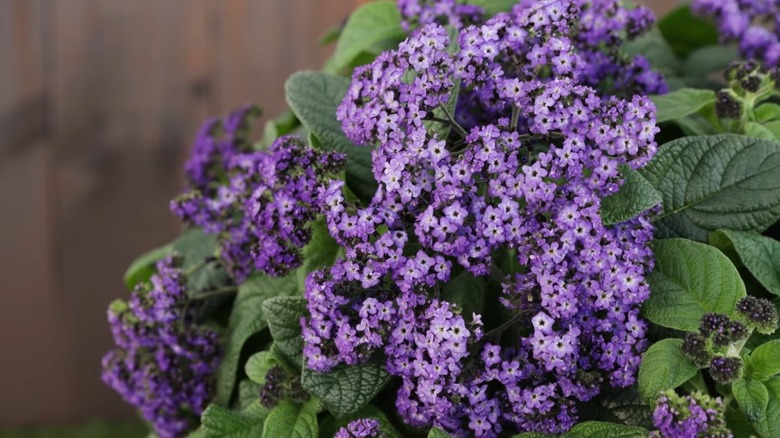
Although many gardeners struggle with heliotropes because they look dowdy in the dog days of summer or after rain, Proven Winner's Aromagica Purple heliotrope (Heliotropium arborescens 'INHELAROPU') doesn't have that problem. It manages to flush out waves of perfumed, rich purple flowers right through frost. Expose the planter to direct sun for about six hours every day for the deepest color and keep the soil consistently moist. Since it can spread over 16 inches wide, use a larger planter if you want to pair it with other hummingbird-friendly plants.