

16 Big-Brand Cordless Power Tool Brands, Ranked Worst To Best

Buying into a cordless power tool system isn't the same as buying a single tool. With a standalone tool, it's not so problematic if it ends up not being great. With a cordless tool system, you're buying into the whole ecosystem. The batteries, the chargers, and the extra bare tools you add over time cost real money, so it's important that you choose a brand thats tools really meet your needs.
We ranked 16 major cordless power tool brands based on their cordless systems. We looked at things like performance, value, and who the tools were best for. The right brand for a homeowner hanging shelves is almost certainly not the same as the right one for a plumber running pipe on a job site. To form our ranking, we looked at everything from performance to prices, which we'll discuss more in depth later. How does your favorite brand rank up?
16. Hart produces solid tools but is discontinued
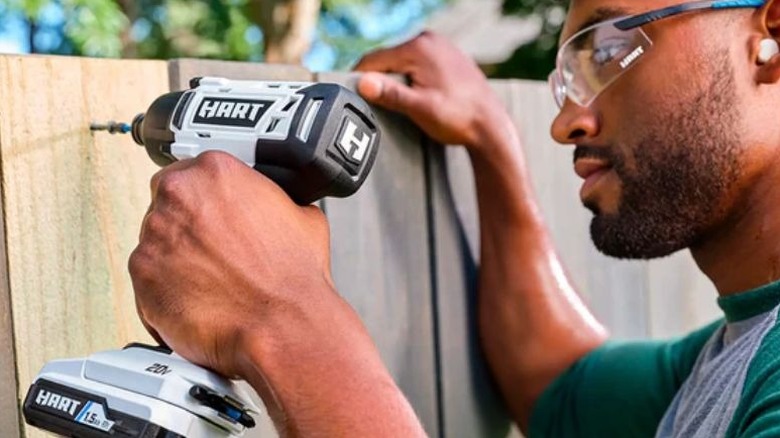
When Hart first arrived, it promised affordable cordless tools for ordinary households. A Hart drill, blower, or impact driver was never supposed to compete with Milwaukee or DeWalt, but they were made to be budget-friendly for light-duty users who wanted one inexpensive tool system for small repairs and yard work. For hanging shelves, assembling flat-pack furniture, or keeping a basic supply of essential tools around, Hart was just about adequate.
However we've ranked Hart at the bottom of our list, not because of performance, as the tools do meet their promise of light-duty affordability, but platform confidence and availability. Hart's parent company, TTI, announced that it was discontinuing the Hart business at the end of 2025. That makes Hart difficult to recommend to new buyers, because tool availability will diminish as final stock is cleared. While existing owners should probably make the most of purchasing clearance batteries and backup tools, it's not the best idea for somebody looking for a brand new tool system.
15. Porter-Cable has fallen behind better budget and mid-tier brands
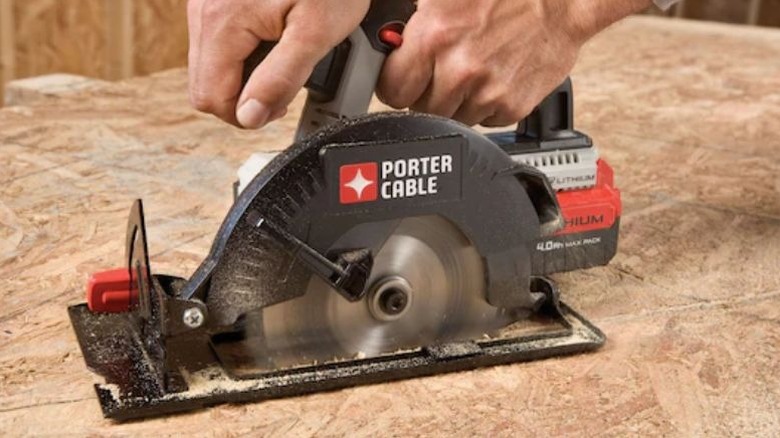
Porter-Cable used to have a real reputation for high-end woodworking and finish carpentry tools, but that's not necessarily the case today. Its cordless 20V max tools do still handle basic drilling, driving, sanding, and cutting jobs, but the system feels stale next to stronger budget and mid-tier brands. Porter-Cable's line-up is very limited and development has lagged, so they aren't really serious contenders for anyone building a modern cordless workshop.
Plus, Porter-Cable diminished in appeal when Tractor Supply became their only U.S. brick-and-mortar retailer. Between limited tool selection and minimal availability, Porter-Cable is no longer the highly recommended brand it once was. That's not to say that Porter-Cable tools are useless. A discounted drill kit, for example, may still be a good purchase for someone who doesn't need a whole big system. However, the lack of new tools and system improvements mean that there are much stronger brands out there at a comparable price point.
14. Black+Decker is useful for light household jobs, but easy to outgrow
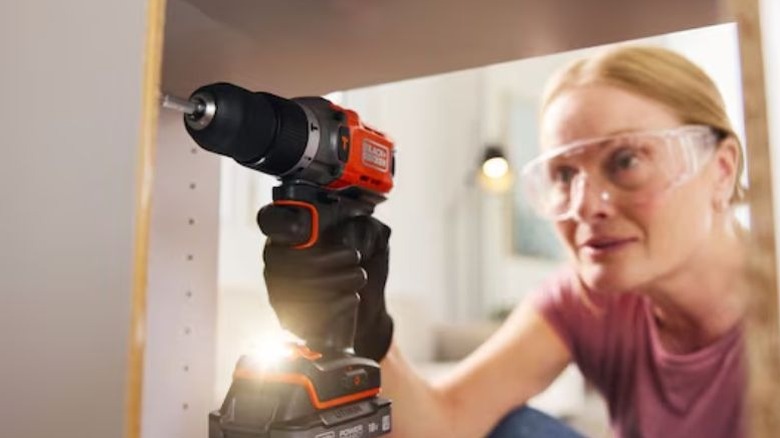
Cordless tools from Black+Decker are fine for basic use, but they can't compete with the mid-tier and higher-end brands. Their 20V max Power Connect system lets one battery run a large range of tools, from stick vacuums to circular saws, so it's a handy low-cost system for folks who only need to occasionally do a few small jobs.
The available tools are usually light, simple, and easy to manage, which is important for those who don't want heavy, bulky tools. But that also means they're not really a good choice for deck building, extensive remodeling, or heavy-duty cutting and fastening work. Lots of consumer reviews talk about lightweight and easy handling of the tools as strengths, but many user complaints focus on limited power and poor battery performance. If you're shopping on a budget, the Black and Decker 20 V max Power Connect system is not a bad choice for occasional lightweight household chores.
13. Worx is convenient for casual home and yard work, not heavy-duty projects
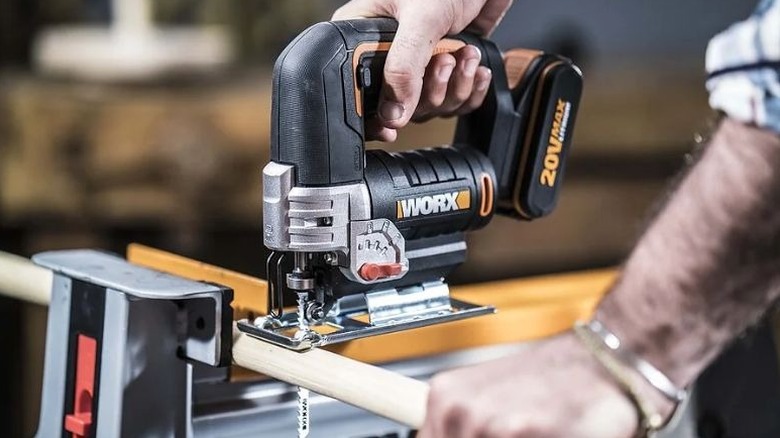
A lot of tool buyers wonder whether Worx tools are worth buying. It is true that these tools are not well-suited for the job site, but for those on a tight budget who just need simple convenient tools for light use, then Worx is not a bad pick. This brand is aimed at lightness, clever features, and ease of use over power and longevity for small yards and casual projects.
The PowerShare battery system works across 20V, 40V, and 80V Worx products, and the range includes garden, lifestyle, and power tools. Therefore, the Worx range is pretty appealing for the casual user who wants one system that will run a drill, a saw, a trimmer, a blower, and a patio cleaner. Worx tools do the job at an affordable price. People enjoy the comfort and portability of Worx tools, but the trade-off is less power and durability than pro-grade tools.
12. Skil offers solid budget performance, but a smaller tool range
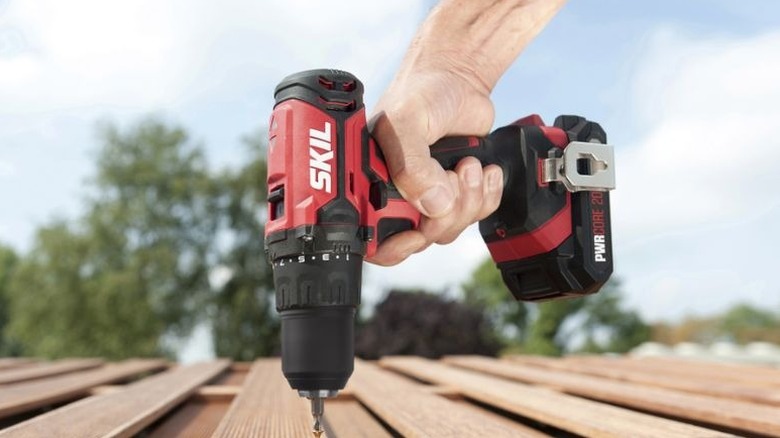
Skil is a strong budget choice for the general home user. Its tools deliver value and moderate performance, without pretending to be a premium trade brand. They have three cordless systems. The PWRCore 12 for light and compact tools, PWRCore 20 for higher demand general use, and PWRCore 40 for the highest demand yard and garden tools. Some of their tools, like the 20V brushless compact, are considered lightweight with solid power and performance.
Skil still ranks above Black & Decker and Worx in terms of performance. The PWRCore 20 tools are a good choice for DIY enthusiast homeowners, without the premium price of something like DeWalt or Milwaukee. Their reciprocating saw, when pitted head to head, lost out narrowly to Ryobi in hands-on testing by reviewers, but still performed very well given its lower price point. One of the reasons we didn't rank Skil higher is that its line of tools is smaller than brands like Ryobi and Craftsman. Skil is fine if you need core tools, a few outdoor tools, and some lighter remodeling options.
11. Craftsman is a sensible homeowner platform with uneven tool quality
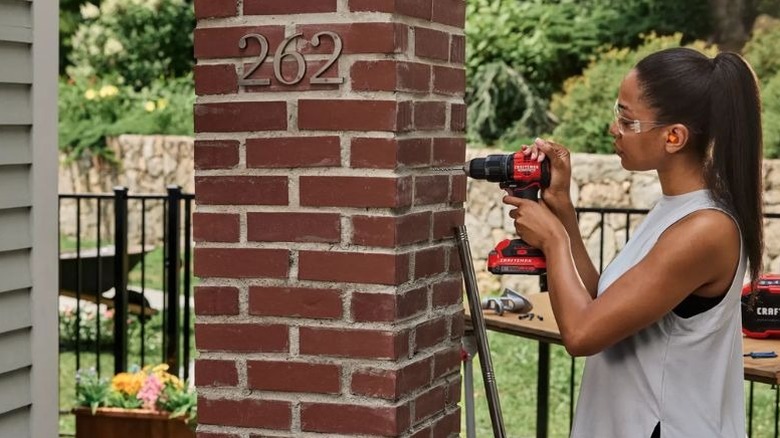
Now owned by Stanley Black + Decker, Craftsman power tools, especially the V20 range, offers enough basic tools to cover most normal home projects. Plus, the prices are reasonable. There are new tools added to the line fairly frequently, including sanders, cutting tools, scrubbers, and some outdoor equipment.
Some Craftsman tools are considered worth their price and have great reviews, while others are reported to feel lighter-weight and unsuitable for demanding jobs. The V20 oscillating multi-tool, for example, was described as compact, lightweight, and capable, but best suited for occasional lightweight use, because of its lower performance level. In spite of issues with consistency, Craftsman remains a reasonably sensible choice for those who want a simple home platform.
10. Hercules delivers strong value, but lacks whole-home range
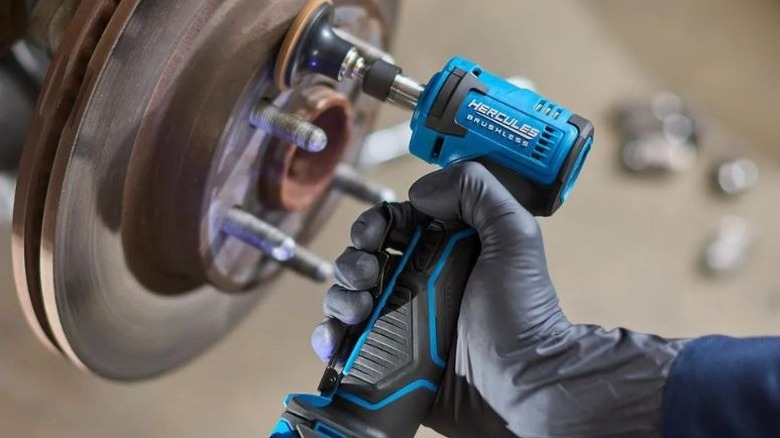
Hercules is owned by Harbor Freight and it's their higher-end more serious cordless power tool system. The 20V brushless tools offer strong specifications for the price and the majority of their tools have positive reviews. The brushless impact driver, for example, was found to be one of the least expensive impact drivers in the 18V to 20V class that could still hold its own against the pro models.
While Hercules cordless tools aren't the fanciest on the market, they do offer a lot of power per dollar. Harbor Freight also backs the Hercules lines with a 5-year limited warranty, which is better than many other brands at this price point. Hercules is a strong option for basic drills, drivers, saws, and grinders, but it does not offer the same range of tools as a system like Ryobi One+. It's less convincing as a one-brand solution for the whole home garage and garden.
9. Kobalt offers strong core-tool performance for Lowe's shoppers
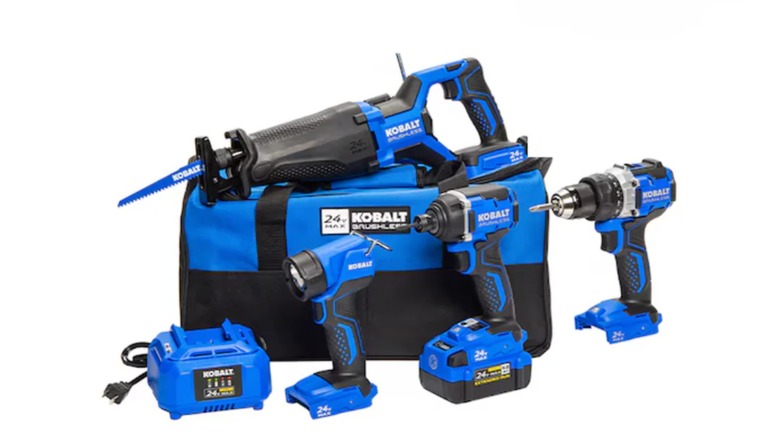
Exclusive to Lowe's, Kobalt's range is one of the better battery systems for buyers who care about core tool performance. The 24V Max battery powers more than 75 essential tools, while Kobalt's 40V Max and 80V Max systems include more powerful equipment with longer runtime, like mowers, blowers, and chain saws. The Kobalt range is a step up from entry-level tools like Worx, so it's a good fit for more serious DIYers who need a bit more power.
In hands-on review testing, their 24V Max tools were praised for performance and value. Kobalt's mid-torque impact wrench, for example, was recommended for serious DIYers and pros who were buying on a tight budget. However, it doesn't have the same extensive range as Ryobi or the power and performance of brands like Makita or Milwaukee.
8. FLEX tools perform well, but the platform feels less secure
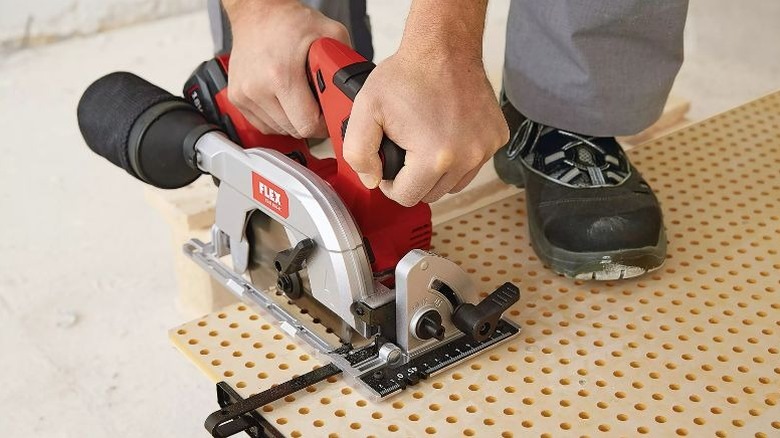
Flex is interesting and frustrating to rank. The tools themselves are overall pretty good. There are plenty of high-rated Flex power tools for DIYers. Its 24V platform is powerful, modern, and aimed at serious DIYers and pro users, not casual light-use homeowners. Flex's batteries are designed for higher output, fast charging, and good heat management. This brand has drills, saws, and impact drivers that can compete with other brands well above its price point.
Based solely on peak performance, Flex would sit higher in this list. However, because this is about cordless tool brands, consumers are buying into a platform or ecosystem, and with Flex, the confidence just isn't there. Lowe's dropped this brand entirely, announcing they would cease selling Flex in December 2025. This makes the brand difficult to recommend to regular buyers, even if the tools are genuinely good.
7. Ridgid is sturdy and capable, with a lifetime service agreement
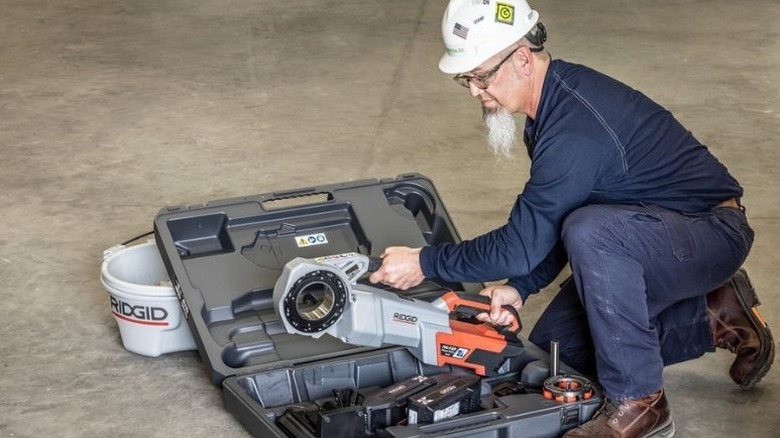
The tools from Ridgid are slightly more expensive than the real budget brands like Worx, but they are also generally more capable than those super budget-friendly options. Ridgid has been a serious contender in cordless power tools for enthusiastic DIYers since 2003. It produces a solid range of 18V tools, ranging from drills and oscillating tools to yard and garden equipment.
Ridgid's 18V cordless range isn't particularly flashy or refined, but overall the tools are fairly sturdy and capable. The lifetime service agreement (LSA) is one of the things that sets Ridgid apart. The LSA means that eligible registered tools and batteries can be repaired or replaced for free if they fail with regular use, but only to the original owner. Given that batteries are one of the most expensive parts of most cordless set-ups, you can see why Ridgid may be appealing to the enthusiastic DIYer or prosumer. Consumer reviews of Ridgid 18 V brushless tools are generally favorable, with users saying the tools offer good value and are lightweight, but feel fairly robust. However, some reviewers have noted that some of the tools seem to lack power or struggle to perform well even on full power.
6. Metabo HPT is underrated for carpentry, framing, and nailers
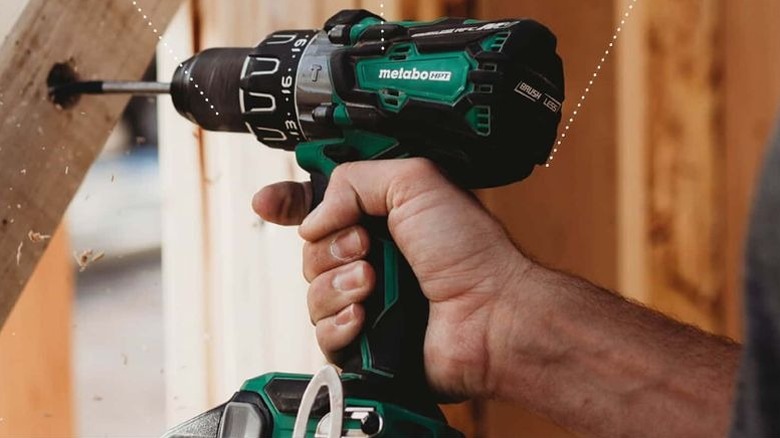
Formerly known as Hitachi Tools, Metabo HPT is particularly strong for carpentry, framing, trim work, and nailers. For moderate and pro-grade woodworking, the Metabo HPT Multi-volt system is a pretty good choice, as it has strong performance, good reliability, and a durable job focus design. But, like RIDGID, these tools are not excessively flashy or fancy. They do, however, get the job done.
Multi-volt batteries can deliver 36V of power in larger tools, and these same batteries also power Hitachi or Metabo 18 V slide-style tools. This also lets you expand your tool set without having to purchase unrelated battery families when you need more power. Do note, however, that these tools are a little pricey, but that's purely because they are a step up from lightweight homeowner tools.
5. Bosch makes refined pro-grade tools, but with limited choice
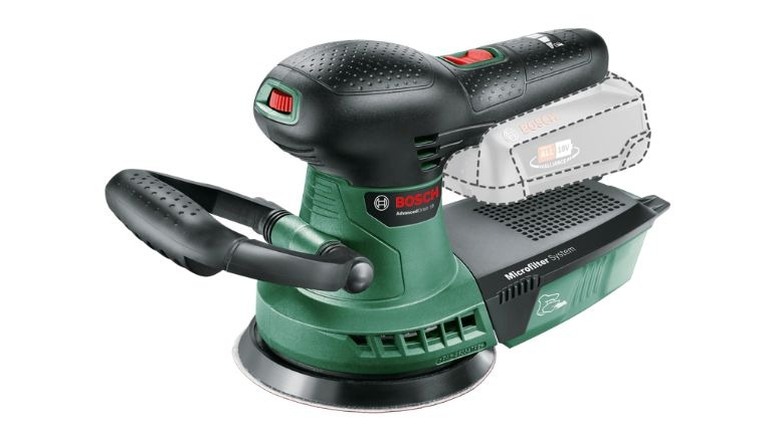
Both the 18V and the 12V Max lines from Bosch are well favored by pro users. The 18V has more power, but they are bulkier and heavier than the 12V line. However the 12V Max range is still high quality and the lighter weight is a bonus for pros who do a lot of work overhead. They're usually popular with electricians, installers, cabinet makers, and other pros who work in tight spaces or do lots of overhead work where weight and size are important.
Bosch is also part of the AMPshare alliance, which is a big plus for many professional users. AMPshare alliance means that batteries and chargers are compatible with Bosch 18V power tools and other 18V cordless products from brands who are also part of the alliance, including specialist brands like Titan and Rothenberger. This lets owners expand their collection with highly specialized tools without having to buy a whole new battery platform. Bosch's 18V and 12V Max power tools are high quality, reasonably good value, and designed for professional and job site use.
4. Ryobi is the best cordless platform for most homeowners
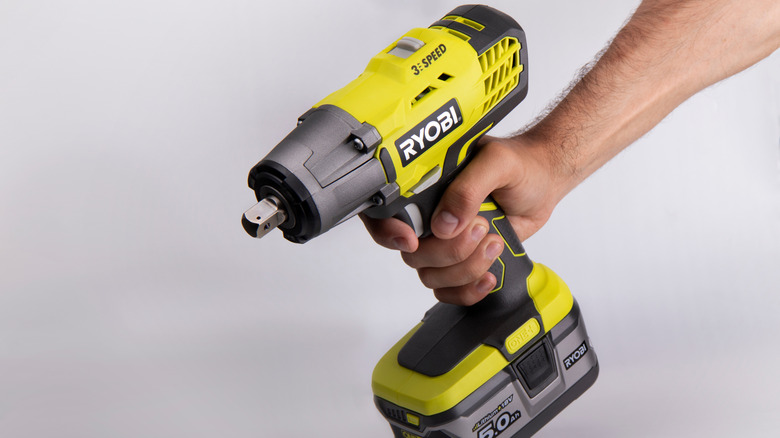
Ryobi is the best cordless platform for most homeowners. Many Ryobi tools have excellent reviews. The 18V ONE+ system has over 200 compatible products across both home and garden. The same battery can run anything from a drill to an inflator. There's also a separate 40V outdoor system with over 85 tools for consumers who want more power from things like mowers, chainsaws, blowers, snow tools, and other larger yard equipment. Ryobi's range is extensive, but fairly lightweight, with some reviews noting that the tools can feel a little flimsy. So, while the ONE+ system is perfectly good for most home users, the tools won't stand up to daily job site abuse.
The ONE+ system is good for hand tools, cleaning tools, hobby tools, and smaller yard jobs, and the 40V tools are for heavier outdoor work. While Ryobi doesn't match Makita, DeWalt, or Milwaukee on job site durability or raw professional performance, it does offer a good mix of price, availability, range, and usefulness for most homeowners. Ryobi ONE+ offers a really nice selection, ranging from DIY tools like cordless jigsaws to vacuum cleaners and power scrubbing cleaning tools. However, batteries can be costly, especially at higher amp hours (Ah), and batteries for the higher power 40V line are even more expensive. This is offset by having such a broad range of tools that can share batteries, though, and the comparatively lower cost of the bare tools.
3. Makita tools are costly, but smooth, reliable, and high-performing
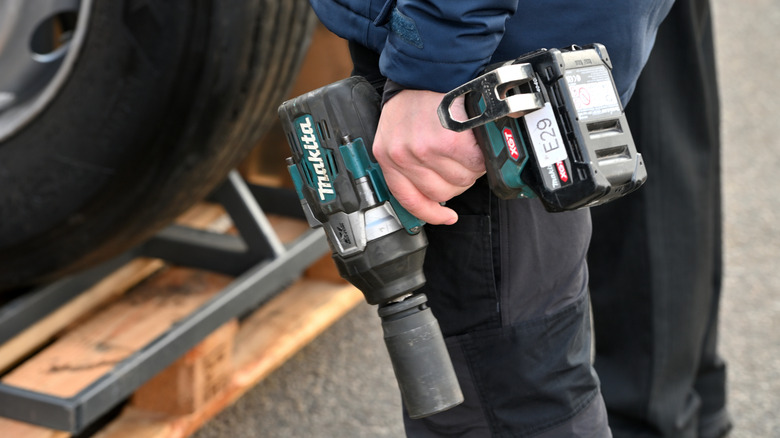
For professionals who need an extensive range of high-performance tools, Makita is a great choice. There are more than 325 tools powered by the same 18V LXT. These tools may be costly for DIYers. But for people who need something that can withstand heavy use and can consistently perform even on difficult tasks, Makita tools are worth the money.
Makita describes their 18V LXT range as the world's largest compatible 18V slide-style battery ecosystem. They also have a compact 12Vmax CXT line that includes drills, impact drivers and wrenches, saws, laser levels, and other smaller tools. This smaller range is good for people who need lighter tools or who are working overhead or in smaller spaces. The 40V and 40V XGT platform is also increasingly popular. Although the tools in this line are generally more expensive, they can handle tougher jobs, have more power, and longer battery run time. The brand is well known for power, reliability, and tool quality.
2. DeWalt is a solid premium pick for DIYers and pros
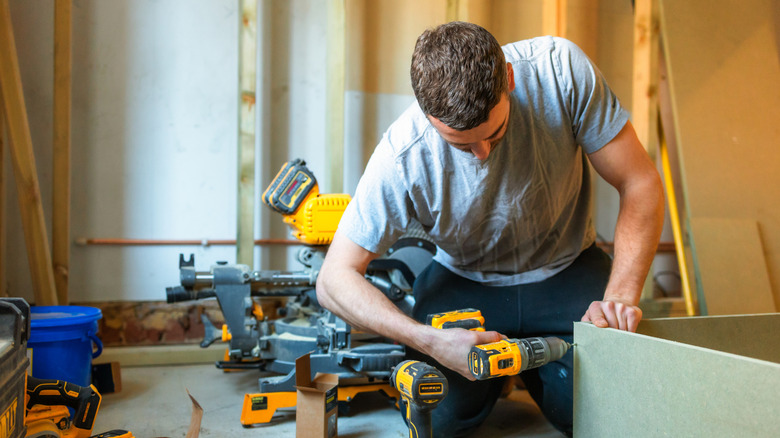
The popular 20V Max and XR Max ranges from DeWalt are great options for serious home users and contractors. People find that these tools have lots of power, a solid build, and the batteries carry a long run time. Plus, DeWalt offers a fast charger, so even without spare batteries, you won't be out of the game for long. There's also the compact, atomic, and 12V Max ranges for those who need lightweight smaller tools that still provide high-end performance.
DeWalt's FlexVolt system has batteries that can switch voltage between compatible 20V Max and 60V Max tools. Therefore, people can start with the more affordable and less demanding drills and drivers and then, as their budget and demand increase, use the 60V higher-performing circular saws, table saws, and outdoor tools without having to invest in a brand new platform. Having said that, for most use cases, the 20V Max system has enough power. The extensive battery range is also another significant benefit. If run time is more important, DeWalt offers a 12 Ah battery, but where size and weight are the more important concern, you can choose a 1.5 Ah battery, or find the right balance between the two.
1. Milwaukee is the top pick for professionals
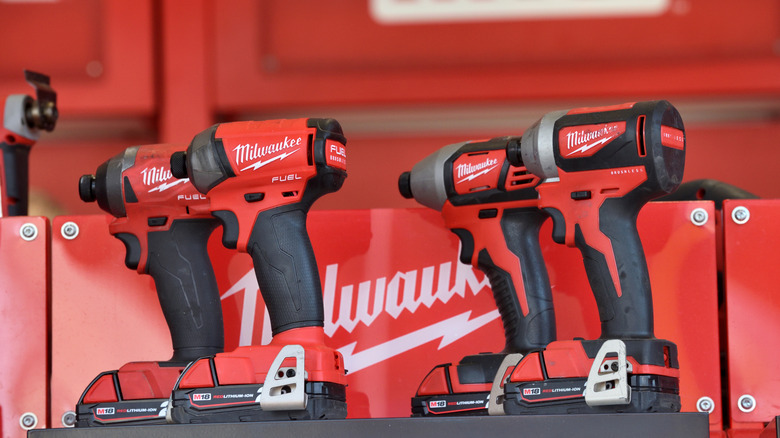
Sitting in the top spot, because of its huge range of high-performing tools and its generous warranty, is Milwaukee. The popular M18 system has over 200 high-performance tools and then there's the M12, which has a growing catalog of lighter, more compact tools. The MX Fuel range is an alternative to heavy-duty trade equipment traditionally powered by gas, such as compactors, concrete vibrators, and demolition hammers, but obviously, these are not for the everyday home user. There are plenty of high-end Milwaukee tools that are worth the investment.
Most Milwaukee cordless tools carry a five-year warranty, but some hand tools have a lifetime warranty. The price of Milwaukee tools is the obvious downside. However, the robustness, power, and longevity Milwaukee is known for come at a premium price tag, because the tools are designed to survive lots of abuse on busy construction sites. While they are among the best options for professionals, Milwaukee cordless systems may be overkill for general home users.
Methodology
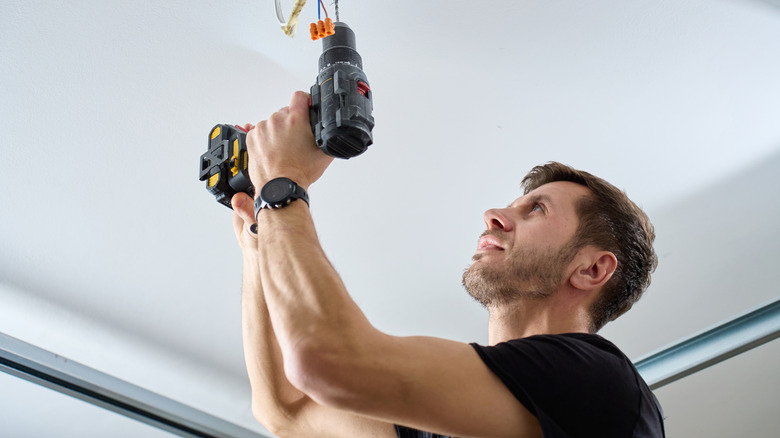
To get our brand rankings for cordless power tool systems, we looked at overall tool performance, build quality, battery strength, tool range, warranty coverage, price, and long-term platform confidence. We also examined real user reviews and hands-on test results to establish quality and performance. Importantly, we also factored in the type of user or jobs the brands were best suited for.