

How To Marry Your Love Of Classic Architecture With A New Build Home

Historic homes are becoming increasingly popular with buyers, and if you're one of them, you might want to purchase a home that rivals the palatial estate on "Downton Abbey" or the slightly more humble property featured in "The Haunting of Hill House." However, if you don't find one in your preferred neighborhood, within your set budget, or want to spend time fixing up an old build, you can always sprinkle in a few elements that will give your new build home a unique charm. And to help you strike the right balance between classic architectural elements and a modern construction, we reached out to Sarah Ferguson, the Interior Design Director at Denton House Design Studio.
"The goal isn't to make a new home feel old — it's to make it feel timeless," Ferguson exclusively told House Digest. "I always recommend keeping the foundation of the home modern, with open layouts, functional kitchens, and smart home features, and then layering in classic elements through finishes and interior architectural details." However, while wall paneling, built-in millwork, and trim will lend your home a bit of character, she suggested to look for elements that aren't as common. "A ceiling medallion, a wood floor inlay, a corbel detail, or even a rosette at the corner of trim brings in that classical influence without overwhelming the space," she added. But don't go overboard, or your modern-yet-vintage interiors will end up a jumbled mess. Ferguson shared, "I like to think of it as a balance, keeping about 70% of the home clean and modern, and layering in 30% of those classic elements."
Classic architectural elements that are best suited for a new home build
There are particular architectural elements that will pair best with a new home build. During our exclusive interview, Sarah Ferguson told us, "In a new build, I focus on elements that create depth and structure." This will make your home seem more interesting and ground the varied decor pieces, so they gel well together. Covering a home's exterior first, our expert said it's all about the impactful entrance. "I love the experience of approaching a home — walking up a set of stairs, moving through architectural columns, and noticing the care put into the trim profiles. It's that thoughtful reveal and sense of procession that sets the tone before you ever step inside." Need a little help upgrading your exteriors? You might want to take inspiration from home design features popular in the 1940s.
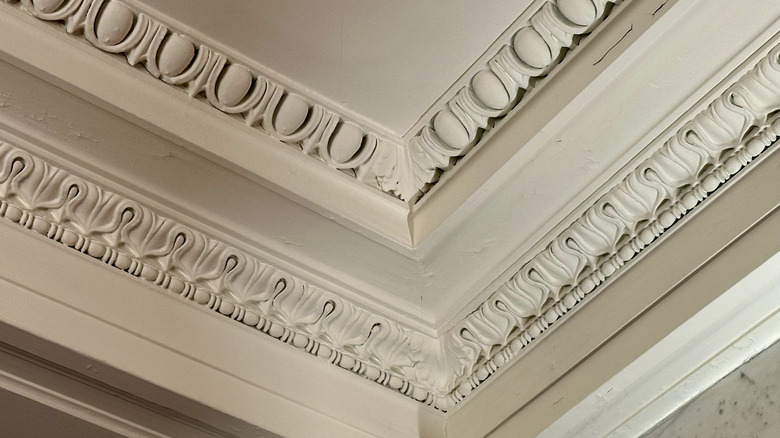
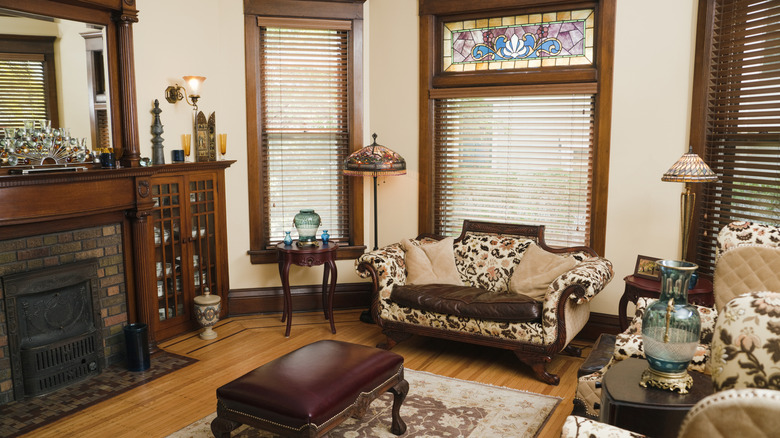
"For interior architecture, elements like crown molding with more curvature and scale, substantial baseboards, and layered door casings immediately move a home away from that flat, builder-grade feel," Ferguson explained. "Thoughtfully proportioned wall paneling like wainscoting or full paneling adds rhythm and gives the home a sense of permanence." But for that classic curated look, the design expert emphasized that you pay attention to the materials you use. She recommended, "real wood with natural variation, marble countertops with a defined edge profile like an ogee or bullnose, and living metals that develop a natural patina over time." Don't be afraid to experiment and layer these materials with each other for a unique finish.
Ways to incorporate classic architectural elements into a new build home
The easiest way to incorporate classic architectural elements into a new build home is to update the trim. Sarah Ferguson exclusively told House Digest, "Replacing builder-grade trim with heavier, more detailed profiles can dramatically shift the feel of a space." This simple upgrade will make your interiors feel more personality-rich. And if you want to go the extra mile, our expert recommended, "incorporating wall paneling or built-in millwork in key areas — focusing on spaces with the most visual impact, like an entryway, dining room, living room, powder bath, or primary bedroom."
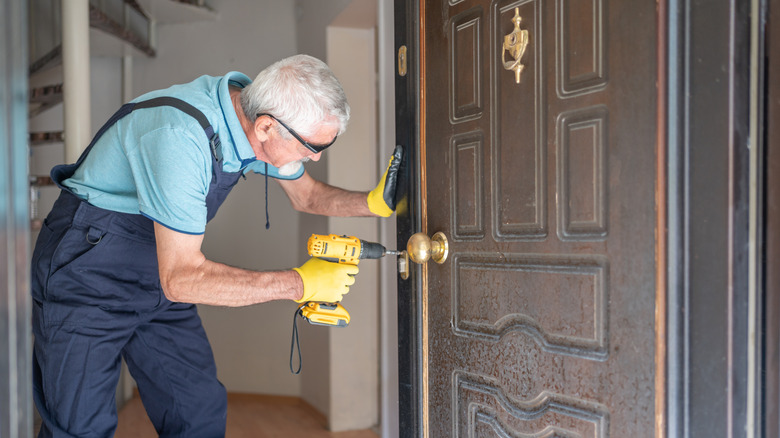
She also suggested focusing on the often overlooked fifth wall in a room: the ceiling. "Adding layered crown molding, subtle beam work, stepped ceilings, or even just increasing the scale of existing trim draws the eye upward and gives the room a more finished, architectural presence," she explained. But if you want an easier fix that will have more of an impact, upgrade your interior doors. "Swapping existing doors for solid core options with a more traditional profile, paired with a decorative rosette or backplate, instantly feels more classical and refined," Ferguson added. Don't ignore the hardware on your doors as they'll help transform your home, too. For a budget-friendly option, look for antique knobs or pulls at your local thrift store.
"On the exterior, elements like columns, stonework, balustrades, and enhanced trim around windows and the roofline can introduce a strong classical presence," she stated. And if your budget is a concern, there are plenty of home upgrades that are affordable and simple. With that said, contract professionals for renovations requiring precision and symmetry, especially if you aren't a skilled DIYer.
Mistakes to avoid when making architectural changes to a new build
Incorporating architectural elements in your new build can be a major renovation project, so it's important you steer clear of the most common mistakes for a gorgeous finish. In her exclusive interview with House Digest, Sarah Ferguson gave us experts tips to circumvent these errors. "When too many elements are layered in without a clear plan, the space can start to feel heavy instead of refined," she explained. "The best way to avoid this is to be selective. Focus on a few key areas and execute them well, rather than trying to apply every detail throughout the entire home." Otherwise, it won't take long for your rooms to go from fab to drab.
Variation is another key factor. "Classic design relies on hierarchy — some spaces should feel more detailed and formal, while others are intentionally quieter," Ferguson explained. Think of it as giving your more high-traffic rooms the most chances of shining in the spotlight. You want your home to feel warm and pleasant instead of a throwback to the last century. But to ensure you get the details right, plan out the proportions of each design. Ferguson added, "Trim that's too small, paneling that isn't properly spaced, or columns that feel undersized can make even high-end additions look off." If scale isn't your strong suit, team up with a professional. Finally, you also want to avoid adding in architectural elements willy-nilly. "Not every style can support every classical element, and forcing it can make the design feel disconnected rather than cohesive," she said. So, keep the design of your modern build in mind while upgrading it and you'll strike the perfect balance.