

What To Do If You Spot A Swarm Of Flying Beetles In Your Home Or Yard
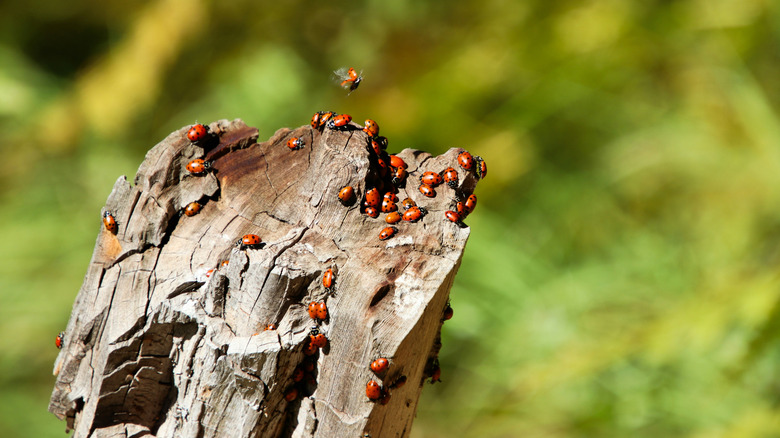
If you see a sudden swarm of flying beetles outside on your porch, garden, or inside your home, it can feel alarming. Most swarming beetles are a nuisance rather than a danger. However, you still don't want them to stick around. The key is to figure out which kind of flying beetles you're dealing with, what is attracting them, removing them and then taking steps to prevent them from coming back.
First, you need to figure out the beetle's type. A common swarming species is the Asian lady beetle (Harmonia axyridis), often mistaken for the native ladybug (Coccinellidae). They gather in large numbers on sunny walls, buildings, and windows. They are more frequent during seasonal temperature changes. You'll see them as orange, red, or yellow with black spots. They differ from ladybugs by a black "M" mark behind their heads. These beetles release a stinky yellow liquid when threatened and can give small pinching bites.
Another common swarming beetle is the June beetle (Cotinis nitida). These larger, clumsy flying beetles are a metallic green. The beetles tend to congregate around lights during warm evenings. There are June beetle lookalike pests you don't want in your yard, like the May beetle (Phyllophaga), too. These beetles are more brown or reddish-brown, but similar to June bugs. Both beetles are harmless to people, but they can damage your lawn since they feed on grass roots and ripe fruits. Japanese beetles (Popillia japonica) have bronze and green bodies and cause a lot damage to your garden. Tiny, oval-shaped beetles in your house could be carpet beetles (Anthrenus verbasci). The adults fly and are attracted to lights. Their larvae damage fibers in your home like silk, fur, wool, and pet hair.
Beetle attractants and how to get rid of them
Different attractants create beetle swarms. Outdoor lighting is a significant reason you might see them outside. Heat can play a role as well. During the fall and spring, beetles often look for sheltered places, so homes with small cracks around windows, doors, or siding can become entry points. Food or organic matter is another attractant. Carpet beetles like dusty, undisturbed areas with stored fabrics. Grain beetles (Oryzaephilus mercator) appear if dried foods like rice, cereal, or pet food are not sealed tightly. Certain flower species in your garden can also bring beetles. For instance, the Japanese-beetle-attracting flower you may not want in your yard is hibiscus.
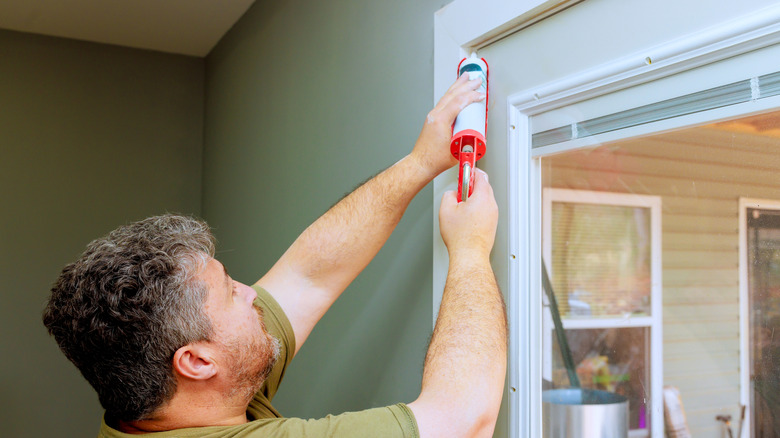
Change your outdoor lighting to deter beetles. Switching to yellow bulbs may help reduce attraction at nighttime. Try to keep doors and windows shut or add door sweeps if you notice additional swarms to limit any beetles getting inside. You can also focus on sealing off cracks or other entry points with caulk, and repair or replace screens.
Vacuum upany beetles you see inside, and release them outdoors, then wipe down surfaces to keep them away. Cleaning inside and outside your home can help prevent and discourage beetles. Store foods and fabrics in airtight seals. You can spray insecticides outside to get rid of beetle swarms. If you don't like that approach, create some DIY solutions to keep beetles out of your garden and yard, like dropping them in soapy water, spraying certain oils or milky spores for June bugs or Japenese beetles. Finally, if you have an infestation of beetles, you can contact a professional pest controller for expert removal.