

12 Things You Should Never Add To A Compost Heap
We may receive a commission on purchases made from links.
A compost heap is alive. It needs the right balance of carbon, nitrogen, moisture, and oxygen to function properly. If you add the wrong things, you compromise that, kill off the beneficial organisms, and ruin the chemistry. I'm a master gardener that specializes in permaculture and growing organic produce, so I put a big focus on reusing as much as I can. Composting is a huge part of that because it fits with my permaculture principles and lets me replenish and nourish my soil with the produce that came from it. I also compost plenty of other things like eggshells from my hens and spent herbal tea and coffee grounds.
There are so many things you can compost, but equally, there is a huge range of things you shouldn't. By adding the wrong materials, you can invite pests, introduce pathogens, or contaminate the finished product with substances your plants won't thank you for. The general rules are to never compost cooked foods of any kind, waste from predators like your pet cat and dog, seeds, or infected plant matter. But it's a little more nuanced than that, too.
Meat, fish, and bones
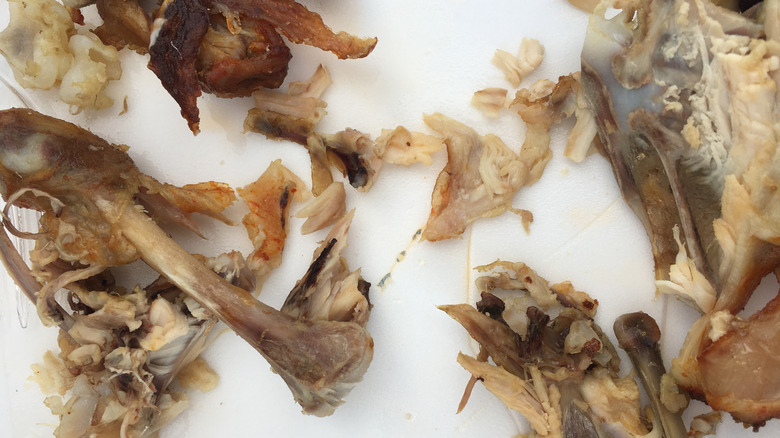
Raw or cooked meat, fish trimmings, and bones are all hard no's for a home compost heap. They decompose slowly, produce strong odors, and attract all kinds of pests, including rats, raccoons, and flies. Even if you bury them deep in your compost pile, there's still a good chance that you'll attract these pests. The fats and proteins in animal flesh create slimy anaerobic conditions that make your composting area absolutely stink. It also creates unfavorable conditions for the aerobic bacteria and other organisms that actively work to break down your compost pile. Additionally, it's not easy to keep hungry rodents out of your compost bin once they arrive. Even if you get rid of one family, another is sure to move in shortly after.
You can dispose of meat, fish, and bones with purpose-built hot composters or at municipal composting facilities if you have them in your area, as they operate at much higher sustained temperatures so they can handle animal products safely. You can also potentially use a sealed Bokashi system, like a 20-liter Bokashi bin from ecocultivatify for your meat scraps and fish bones. As Bokashi composting uses fermentation rather than traditional composting, it is better able to handle cooked and raw animal products without the risk of pests. And if you can dig deep enough, fish scraps and bones can be buried deep in the soil beneath heavy-feeding plants such as roses or tomatoes.
Dairy products
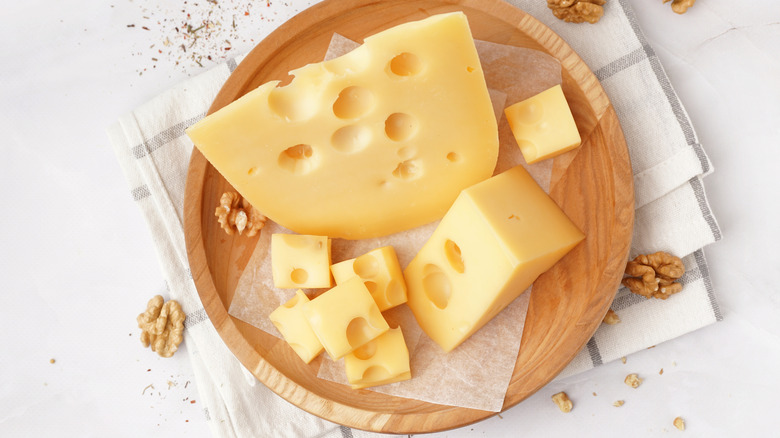
Adding dairy to your compost heap seems pretty harmless but actually butter, milk, cheese, yogurt, and cream can all contain large quantities of fat. Even before it starts to break down, those fats coat all of the material they come into contact with, which blocks the air flow that the composting microbes need to do their job. You effectively stop your compost pile from breathing, in which case those composting organisms quickly die off and the pile turns anaerobic. This significantly slows the decomposition, creates a lack of oxygen, and increases the acidity of the compost heap. You'll end up with a disgusting, rotting, slimy mess. The smell of this kind of compost pile is one that you will never forget as it's genuinely repulsive.
Adding dairy to your pile can also encourage the same pests as meat, fish, and bones. If you really want to dispose of unused dairy products, then again go with a Bokashi system. Bokashi composting is great if you're short on outdoor space, too. Your local food waste collection may also take solid dairy products. A sealed, insulated commercial composter like an OK-225 electric composter can manage small quantities of cooked food, including dairy.
Cooking oils, fats, and grease
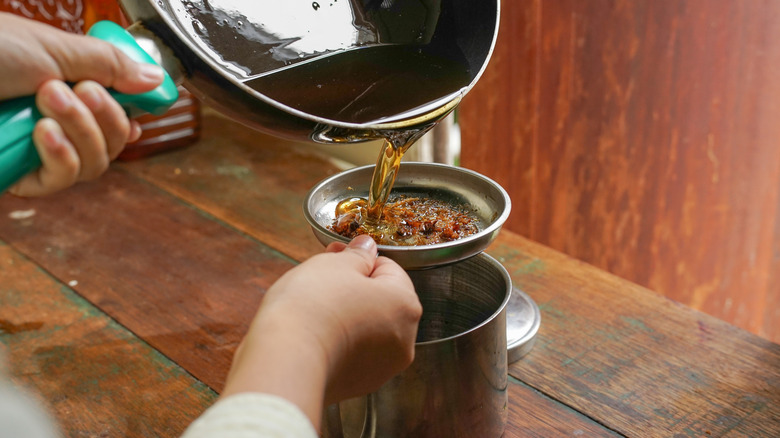
Greasy residues create water-resistant fatty barriers around other materials and smother the microorganisms that are responsible for decomposition. It's the same reason that you can't put dairy into your compost bin. Even small amounts of oil, such as the dregs from a skillet or the olive oil from salad dressing, end up seriously slowing down a heap and making it more inefficient. Regular additions of cooking oils, fats, and grease or larger quantities create a gross, sluggish, slimy anaerobic mess that will take way too long to break down.
Scrape oily cookware and used oil, fats, and grease into the trash rather than adding it to your compost heap. Cooking oils, especially, can often be recycled at many local authority drop-off points. There's some bad advice online that you can use old cooking oil to top up a wormery but actually, worms breathe through their skin, so oil is terrible because it smothers them. You're much better off disposing of cooking oil, fats, and grease in more conventional ways.
Cat and dog waste
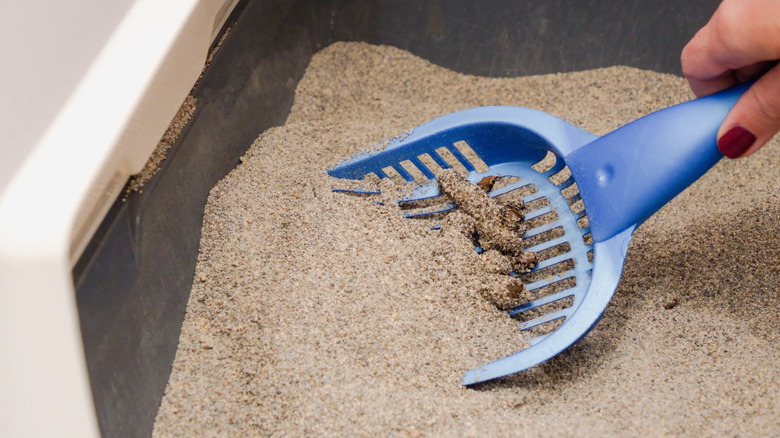
Alarmingly, I've met quite a few people over the years that compost their cat and dog waste, but that's incredibly dangerous and definitely not recommended. Dog and cat feces can carry any one of a huge range of pathogens and parasites. These are all genuinely hazardous to your health. Toxocara canis roundworm eggs, Toxoplasma gondii, E. coli, salmonella, and giardia are some of the more common pathogens and parasites that can be found in waste from your pets. Theoretically, if a compost pile reached a consistently high enough temperature, then pet waste could be composted in it. However, a typical backyard compost pile will never get to or maintain such high temperatures, and any bacteria or parasites that remain in the heap will end up in your soil. Even if you don't grow edibles, this is a definite hazard if you have children or pets that play in the area that you'll be adding the compost to. It's a risk for you, too, if you work in the soil without gloves. And if you grow fruit or veg, you'd be playing a very dangerous game by adding compost contaminated with pet waste to those beds.
Roundworm eggs, for example, can survive in the soil for years and there are also many heat-resistant pathogens such as Clostridium perfringens that can be found in dog feces. The best way to get rid of cat and dog feces is in a dedicated pet waste bin or in the household garbage bin in sealed bags. For those who are more sustainably-minded, you can also get pet waste digesters that are specialist units buried in the ground and that work on a similar principle to a septic system. This keeps the material out of landfill and lets it break down without the pathogens ending up in your soil or compost.
Diseased or pest-infested plants
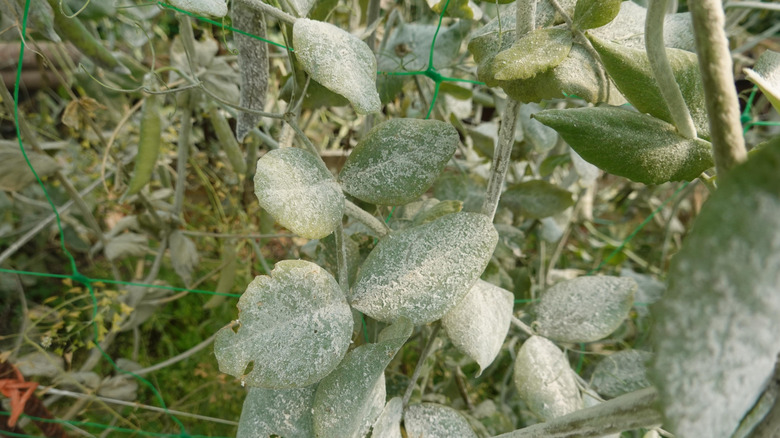
I do like to recycle as much of my garden waste as possible, but it's really important that you don't end up adding plant matter that is infested with pests or that has obvious signs of disease. It doesn't matter if you are dealing with blight, club root, black spot, or powdery mildew. Whatever the pathogen or pest, you don't want to put infested roots, foliage, or any other plant parts into your compost heap. Pests and diseases can overwinter in a compost heap and can, in theory, multiply because it's lovely and warm in there. When you go to spread your finished compost onto healthy beds, you spread the diseases and pests with it. Most backyard compost piles just can't get to a high enough temperature and maintain it for long enough to kill plant pathogens. For most plant diseases, a temperature of at least 140 degrees Fahrenheit is necessary and the whole pile would have to get to this temperature, not just the core. There's no way most home compost bins can get to that sort of temperature evenly and stay there for days at a time.
There are some plant pathogens that are okay to compost because they'll break down quickly or they have a very specific infection method that isn't impacted by compost. To be safe and avoid things like powdery mildew taking over your garden, I strongly recommend that you don't add any diseased plant parts, including fallen leaves, to your compost. Bag the problem plants and put them out for garbage collection or to a municipal facility that operates commercial hot composting. In some areas you can burn diseased plant matter but this is not permitted everywhere so check your local regulations. Additionally, you need to be careful not to burn anything that is dangerous to burn or where the burning can cause spores or pathogens to spread to nearby plants.
Weeds that have gone to seed
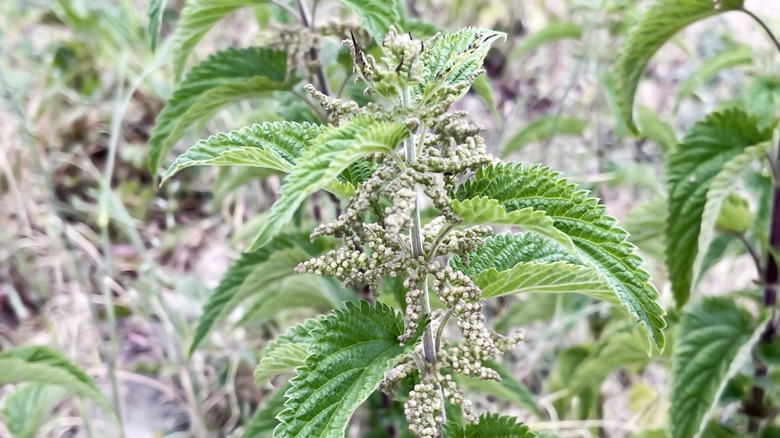
Plants that most people consider weeds, I usually leave to grow. Things like dandelions and daisies feed the pollinators and bring life to your lawn. Even nettles and comfrey earn their keep in my garden, as I use them for DIY fertilizer teas. However, when I've got weeds that are growing where I don't want them or it's a type that is invasive and serves no other purpose, then, if I can, I compost them. The key is to make sure you don't put any viable seeds into your compost heap. I'm fine with the odd volunteer tomato plant popping up if I've inadvertently composted a tomato with seeds, but I'd rather not have five million dock leaves or stinging nettles popping up in the middle of my beds because I composted plants that had already gone to seed.
Weed seeds can survive the warm temperatures of a home compost heap. Once they get back into your soil, they will start to grow right away. Weed seeds can stay viable in the soil for years. To kill off weed seeds reliably your compost heap would have to have a sustained temperature of at least 140 degrees Fahrenheit. Even if you got the core of your compost heap to that temperature, any seeds that were lurking towards the top or the sides would stay viable as it tends to be cooler there. If you can't live with the weeds, then you need to be on your game and organized enough to pull them before they start to flower. If you've missed that window and you can see the seed heads, then don't compost it. Or, snip off the seed heads and put those in the garbage and then put the remaining portion of the plant in the compost. If you're worried, to be safe, just put the whole plant in the garbage bin.
Perennial weeds with invasive root systems
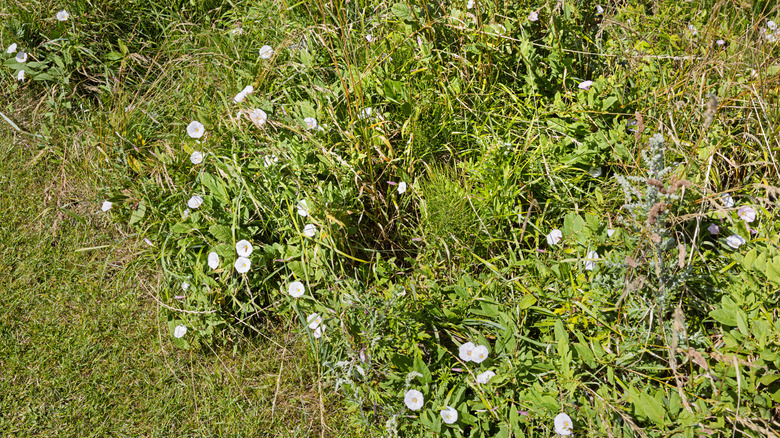
I do compost as much as I can, but I'm picky with what goes into my pile, especially when it comes to weeds with invasive root systems. These I avoid at all costs. Things like bindweed, thistle, and ground elder are rhizomatous and they can all regenerate from even a tiny fragment of root. It is utterly infuriating, so you need to avoid adding any root material from these types of weeds. The same goes for Bermuda grass and couch grass and many others. Even a quarter inch of broken rhizome in a lukewarm compost pile can produce a whole new plant. While you can do your best to keep on top of things like Bermuda grass, if you get bindweed or mare's tail in your beds, you've got a serious problem. Getting bindweed out of your garden for good is not easy. You will be pulling it out for years, because every time you pull a section, there's a good chance you'll break a piece off. The same goes for if you try to dig it out or till the area. You will break up those roots into thousands of small pieces that will each grow a whole new plant, and they spread fast.
My best advice is to pay attention to what weeds you're pulling. If you have something that grows with rhizomes and spreads quickly, put it in the trash or burn it, if permitted, rather than adding it to your compost pile. I'd always recommend caution. If you're unsure, trash it, don't compost it. If you are dead set on composting almost everything, then the alternative is to lay out the roots of these plants in direct sunlight in dry weather and leave them to fully dry for about three weeks. Once they are completely dry and brittle, you can then safely add them to your compost.
Treated, painted, or pressure-treated wood and its sawdust
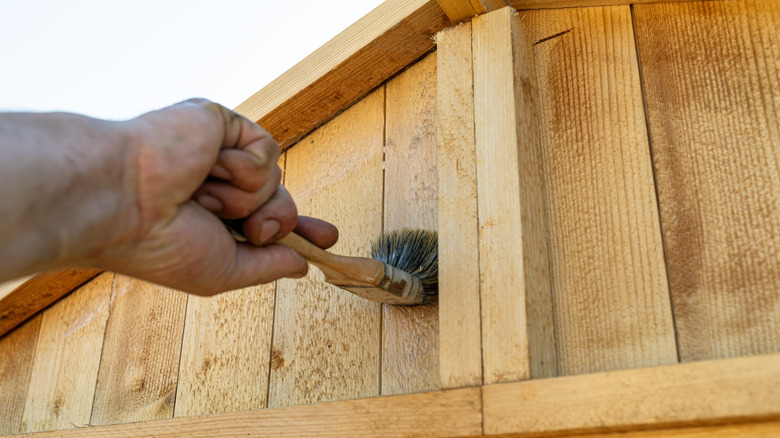
Clean sawdust and wood chips can be great additions to the compost pile in moderation, as they add lots of roughage that helps to make a light, airy, good-textured compost that your garden beds will love. However, sawdust and offcuts from pressure-treated, painted, varnished, stained, or sealed timber can be dangerous, and you should never compost these. Older lumber is often treated with chromated copper arsenate, or CCA, and as the name implies, it contains arsenic, so it should not be composted. Other preservatives can be just as dangerous, and they all can survive composting. They are not inert and they will stay in your finished material. Paint and varnish are similarly problematic. They contain organic solvents and heavy metal pigments that don't disappear even when the wood itself gets composted and broken down. Instead, they remain concentrated in your compost and you then spread those dangerous substances onto your garden beds.
Only add sawdust or chips from wood that you know is clean. For example, I recently had to do some heavy pruning on an old dying apple tree, and I composted the sawdust and some of the chippings, because I knew that the wood had no nasty chemicals attached. If you're in any doubt do not compost the wood. While you can usually tell because the wood will have a green or grey tint or you'll see some blue-green streaks, that's not always the case. It's better to follow the old adage of if in doubt, leave it out.
Coal ash and charcoal briquette ash
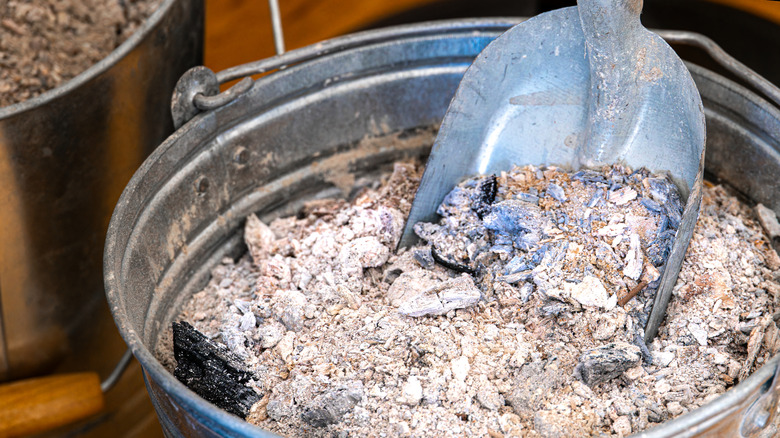
Wood ash from a log fire using clean wood (not treated, painted, or stained wood) can be used in small amounts in a compost heap as it adds important nutrients and organic matter. But only in small amounts, as too much can change the pH of the compost. Coal ash and charcoal briquette ash should never be used. Coal ash contains high quantities of sulfur compounds, iron, and heavy metals, including arsenic and lead. These are toxic to plants and really bad for soil life and biology.
Briquette ash is equally bad. Charcoal briquettes are sometimes produced using binders and additives, including petroleum products, paraffin, sodium nitrate, and borax, to make them burn hot and steadily for extended periods. All of these compounds remain in the ash after burning. Even briquettes that are labeled as natural aren't usually suitable for composting, and you don't want the ash remains in your garden. Dispose of coal and briquette ash in the garbage once it's cold.
Black walnut leaves and twigs
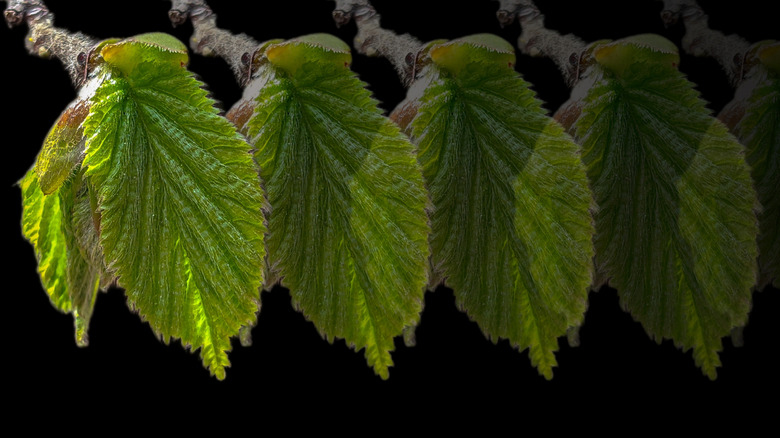
All parts of the black walnut tree are allelopathic. They contain a compound called juglone, which is toxic to most common garden plants, including edibles like tomatoes, peppers, apples, and blueberries, along with countless ornamentals. Juglone is persistent, so it stays for many years in roots and wood. Even if you leave it to compost for a long time, it can be many many years before the toxin breaks down.
Sawdust, bark, and fresh wood chippings contain significantly higher juglone concentrations than just the leaves, but I don't recommend composting any part of the black walnut if juglone is still present. When you spread the compost to your beds, you will kill off or slow the growth of pretty much anything that's growing there. If you've got black walnuts on your property, I strongly recommend that you throw away or burn the leaves.
Bread, cooked grains, and baked goods
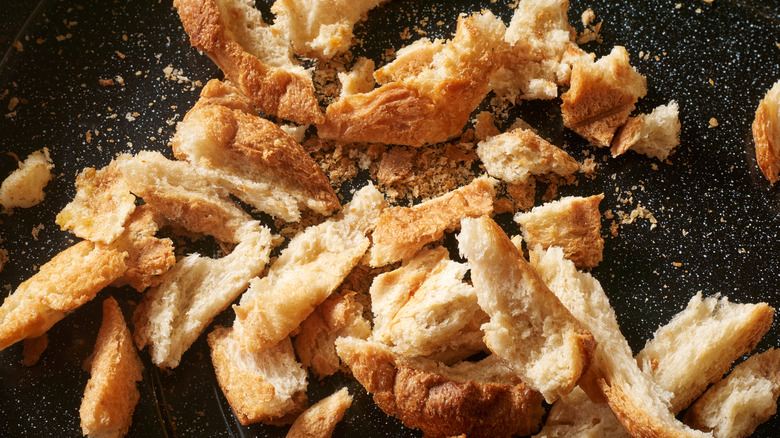
Technically, you can compost cooked pasta, rice, bread, cake, and pastries. They break down very quickly and will turn into compost. The problem at home is that, unless you have perfect vermin-proofing, you will end up with rats and mice. The scent will draw them in from quite a distance.
Aside from the pest problem, you may also end up with mold, which can be a danger if you've got pets or kids. A sealed Bokashi system is a pretty good idea for cooked carb-heavy foods, as it will digest them quickly without attracting pests. You can also use a fully sealed, raised composter, such as a Jora Composter.
Pesticide- and herbicide-treated plant material
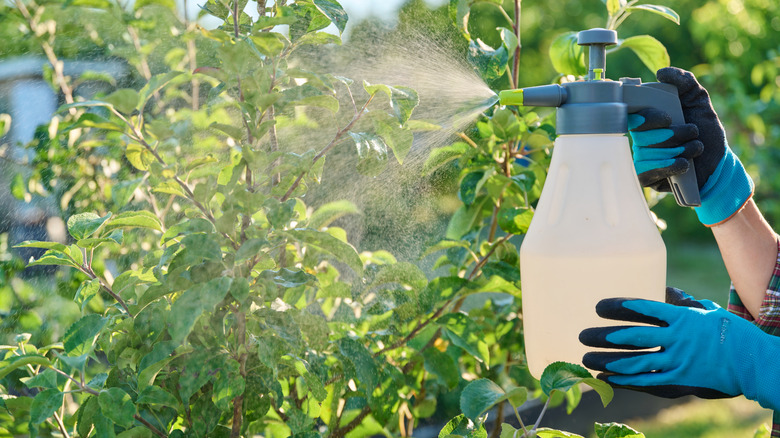
Because I'm a permaculture specialist, I don't use pesticides or herbicides, but many people do. If you're one of them, please don't put treated plant matter, including lawn clippings, in your compost bin. Many chemicals found in herbicides and pesticides will persist in the soil. Some also don't break down during the composting process, so will still be present in the finished compost. The most serious offenders can persist for years. The lingering chemicals can cause significant damage to broadleaf vegetables and ornamentals when you unwittingly add the finished compost to beds.
Don't be too quick to reach for the chemicals for weeds and pests. Some weeds that you spray for, such as dandelions, aren't weeds at all, but are actually important pollinator feeders. And you can get rid of some pests, such as aphids, with any one of several natural methods. If you do use chemicals in your lawn or yard, bag the clippings for curbside disposal. I wouldn't suggest burning them, as breathing in those burning chemicals could be risky, too.