

Ditch Wood: A More Durable Alternative To Use For Your Deck
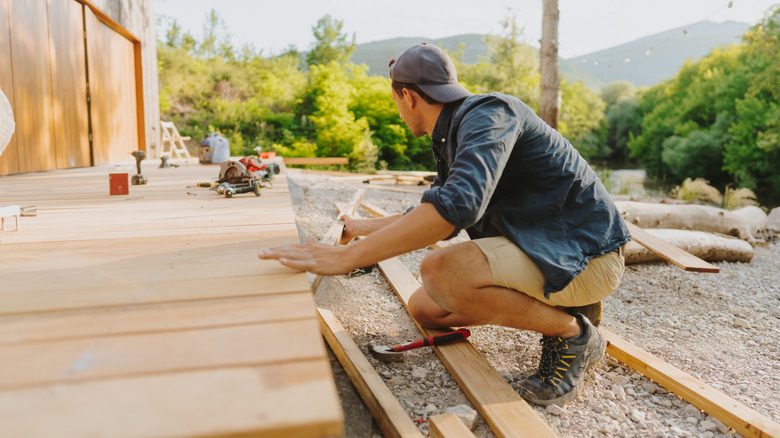
There's no better time to take a look at your deck than before you start using it for outdoor entertaining and enjoying. For homeowners that don't have one to look at yet but are drawing up DIY deck plans for their backyard, deviate from the standard wooden decks and opt for a more durable material. While wood is a common deck material because it's affordable, versatile, and visually appealing, it does have its downsides. Wood is prone to rotting, erosion from varying weather conditions, pest invasions, and warping. For a decking material that is durable, able to withstand moisture, and easy to both install and maintain, look no further than rubber paver tiles.
Rubber paver tiles are often sold pre-cut in squares and triangles that interlock together. They're affordable, with costs ranging from $7 to $8 per square foot on the lower end, depending on the size and thickness of the tile. Rubber pavers can withstand extreme weather conditions, maintaining a grippy, non-slip surface even when wet. When dried, the slip-resistant rubber material is relatively cushy and softer than wood, making it easy on the feet, safe for those prone to falling, and ideal for creating a safe kid-friendly play area outside of your home. Design-wise, rubber paver tiles come in a variety of colors, sizes, and shapes that can fit any dream deck design aesthetic.
The downsides to rubber paver tiles
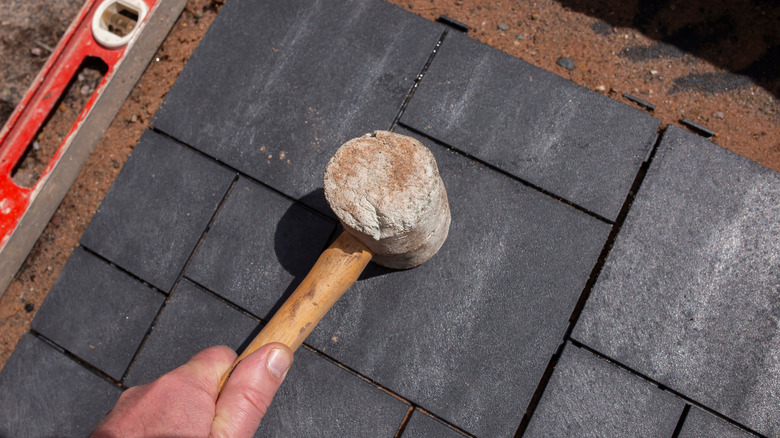
Despite having a lot of pros, there are also some cons for the long-lasting deck option. On initial installation, new rubber pavers tend to smell like chemicals or rubber tires, which makes sense given they are often constructed from recycled rubber. For enclosed decks, ventilation is key to reducing the scent. For outdoor decks, being exposed outside should be enough to eventually eliminate the strong scent. Further, while they do come in a variety of shapes, sizes, and colors, the overall look of rubber pavers might not blend well with existing home design aesthetics or be as warm and inviting as other decking materials are.
Even though they can uphold well against weather, rubber pavers are susceptible to fading due to sun exposure and wear from extreme temperature fluctuation. Some rubber pavers are pre-treated to withstand UV exposure, but for pavers that do not have that protective UV coating, you can prevent your rubber paved deck from fading faster by placing outdoor mats on it to cover the surface. Additionally, rubber pavers are not the greatest with heavy load bearing. Their cushy material is likely to warp, bend, or get misshapen when placed under heavy items for a long time. In the long run, however, investing in this decking material is worthwhile due to its durability, low maintenance, and longevity, helping you build the perfect deck.