

10 Best Perennials You Should Be Planting In June
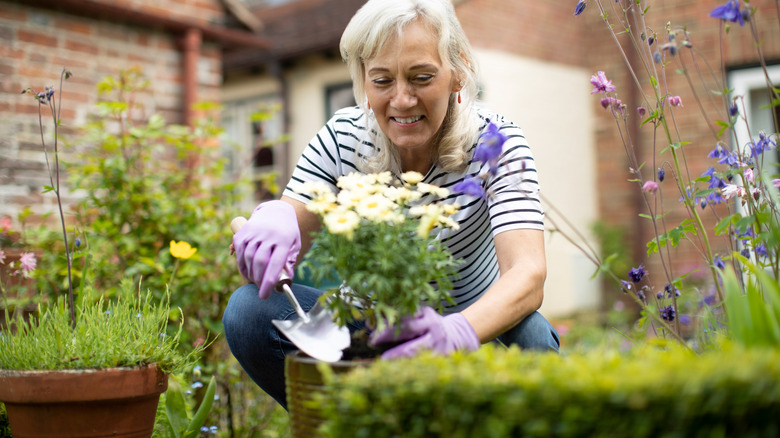
June is when the garden comes alive. With winter frost long forgotten, it's that perfect window of warm but not-too-hot weather that's crucial for gardening. It's when you start to plant all of your summer vegetable crops, like tomatoes, peppers, and cucumbers. But don't forget about flowers! It is a wonderful time to plant some perennials that will give you stunning blooms all summer long, too. With its warm soils, longer days, and cool evenings, June isn't too late to go to the garden center and add some perennial blooms into your life.
Perennials are plants that live for more than one year. While annuals like zinnias or sunflowers bloom once and die, perennials have longer life cycles that span over two years. They bloom during summer and go to sleep in winter, coming back to life from the same roots every spring. In short, it's a great long-term investment for your yard, since all of the work you do once will pay off for years.
And once June rolls around, you've got tons of options to choose from. From coneflowers to roses, garden centers are packed with small flowering plants that you can transfer into your garden beds. Some options, like perennial cosmos, can even be grown from seed at this time of the year. Of course, June weather varies greatly from one end of the country to the other, so make sure to look for varieties that work well in your climate zone. While these varieties are generally adaptable and safe to plant at the end of spring and start of summer, it's always best to check with a garden center in your area to make sure your plant will thrive in your region.
Coneflower
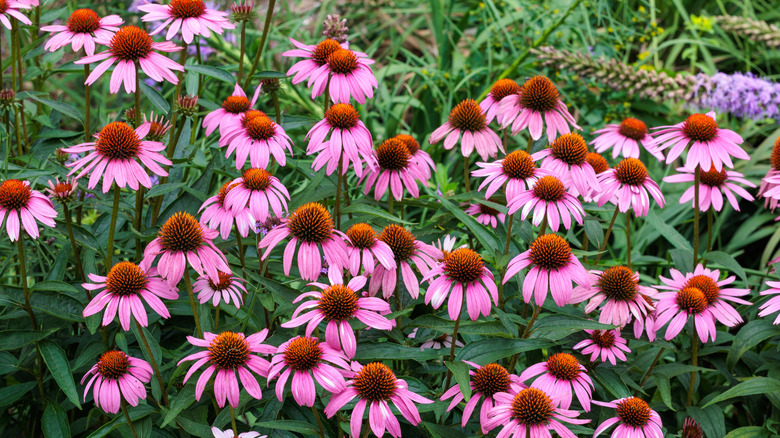
Coneflowers (Echinacea) can be grown in USDA Hardiness Zones 3 through 8, which covers most of the United States. With their pretty petals that fall downwards (hence the cone) and their dense centers, they will bring color to your yard. With these, you have a wide window to work with: This perennial flower plant can go in the ground anytime between spring and autumn if the climate allows. You'll want temperatures to be between 65 and 80 degrees Fahrenheit, with soil temperatures slightly cooler (55 to 70 degrees).
Roses
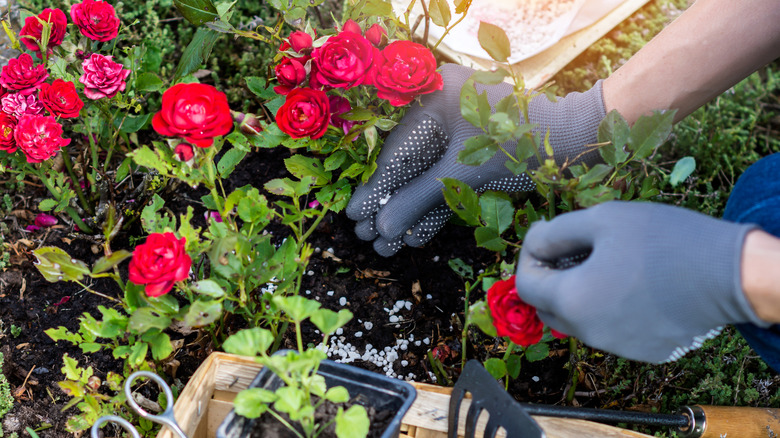
If you want a perennial flower that's both iconic and reliable, look no further than the trusty rose. Potted rose plants can go in the ground any time between spring and fall, though it's best to avoid extreme heat. For your rose plant to thrive, place it somewhere it can get full sun. Try to find a spot where there aren't strong winds so that the roses maintain their beauty longer (they're delicate!) and use rich loam-type soil. Roses can be grown in zones 5 through 11.
Chocolate Cosmos
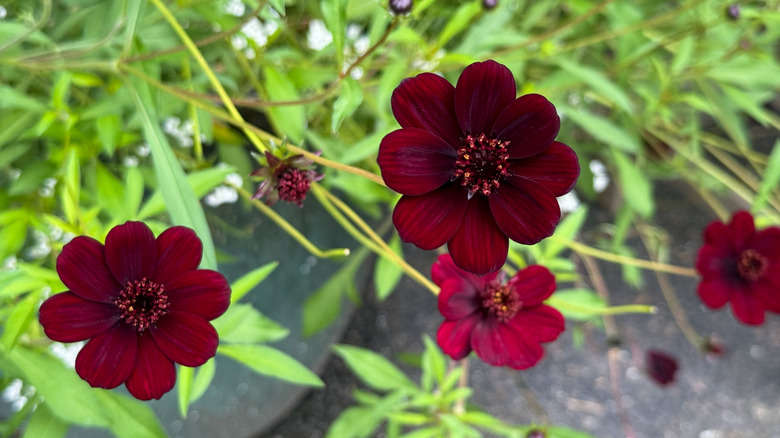
Cosmos are typically annuals, but some varieties are perennial. Chocolate cosmos (Cosmos atrosanguineus), which have stunning dark red brown petals, are hardy in zones 7 to 11. These should be planted in the spring, once the last frost is behind you. In parts of the United States, the last frosts happen in May or even June, meaning this is a great window to put these in the ground before summer heat arrives but after the soil has warmed up enough.
Anise Hyssop
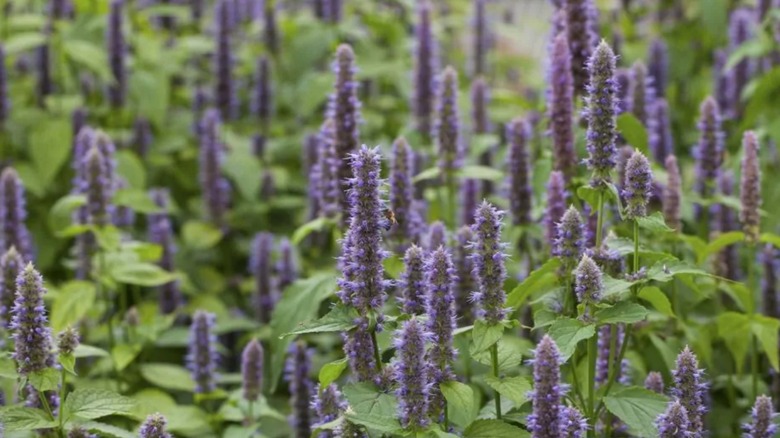
Anise hyssop (Agastache foeniculum) is a beautiful flowering perennial that looks like a shrub with small and bright purple flowers that grow upwards. This plant is a wonderful way to draw more hummingbirds into your yard because its flowers are full of nectar (it's also called hummingbird mint). To transplant seedlings, you'll want soil temperatures of around 65 to 85 degrees Fahrenheit, which should happen sometime between the last frost and the start of summer. Anise hyssop can be grown in zones 4 through 8.
Coreopsis
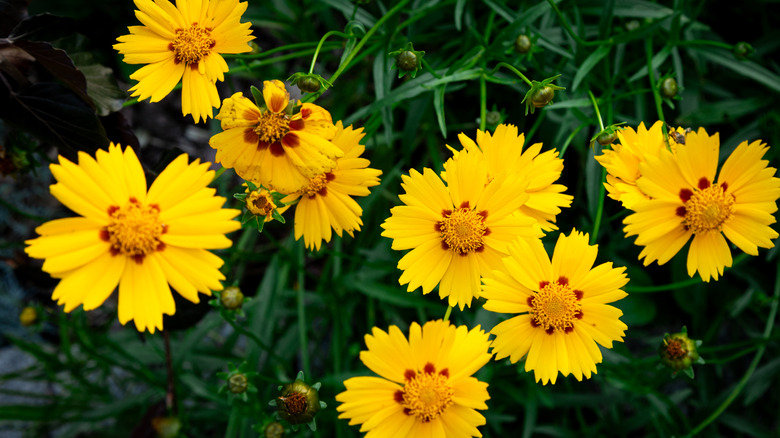
Coreopsis, also known as tickseed, is one of those flowering perennials that's extremely low maintenance and easy to grow. They'll establish themselves well into your garden and bloom all the way until fall, as long as they get sun. If you live in warmer states and you worry about heat waves killing your plants, this option is a safe bet. Heat and drought tolerant, it loves the sun and can survive through the toughest summers. A lot of tickseed varieties are hardy in zones 4 through 9, but ask your garden center just in case.
Joe Pye Weed
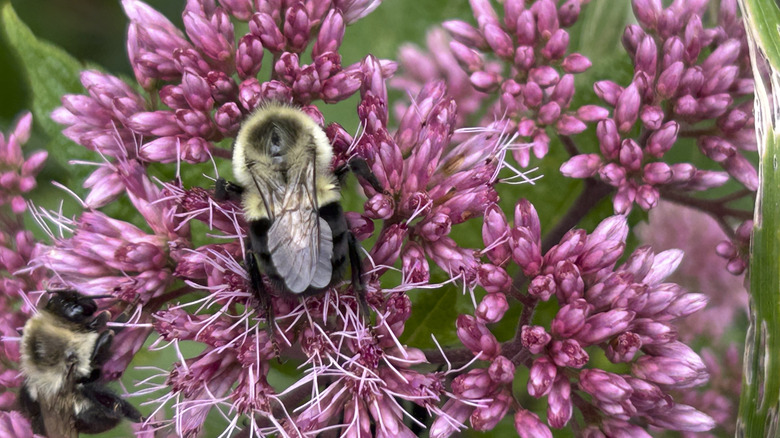
Joe Pye Weed (Eutrochium purpureum) is a great perennial plant that's hardy in zones 4 through 9. It prefers moist soils, and does well in a rain garden or near a pond or stream. While it's slow to grow from seed, you can buy a small plant from a garden center or nursery and transfer it into your garden. These should be planted in the spring, once the last frost has passed and soils have warmed to nearly 60 degrees Fahrenheit. While this varies based on location, it typically happens sometime between May and June.
Milkweed
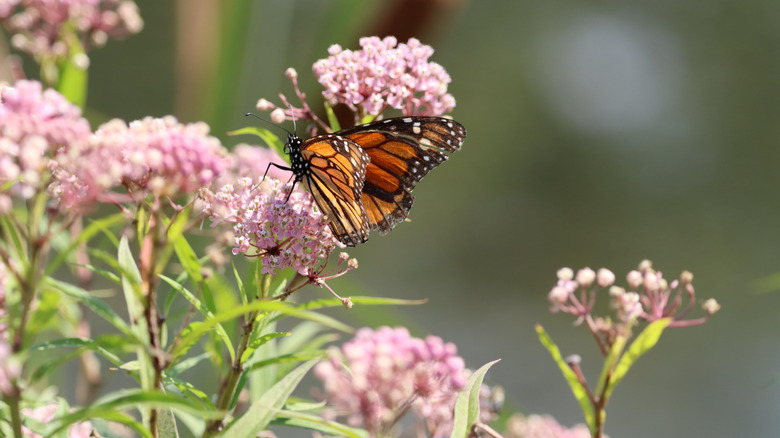
Milkweed (Asclepias) is a perennial flower that pollinators will thank you for. You can plant milkweed from fall until June, but make sure to pick a sunny spot to get blooms all summer long. While this plant is amazing for butterflies, it is toxic to some animals, so steer clear if you have any outdoor pets who like to go near your garden beds. This is a great choice for cottage-style gardens and meadows because it grows a bit unruly. This can be grown in zones 3 through 9.
Lavender
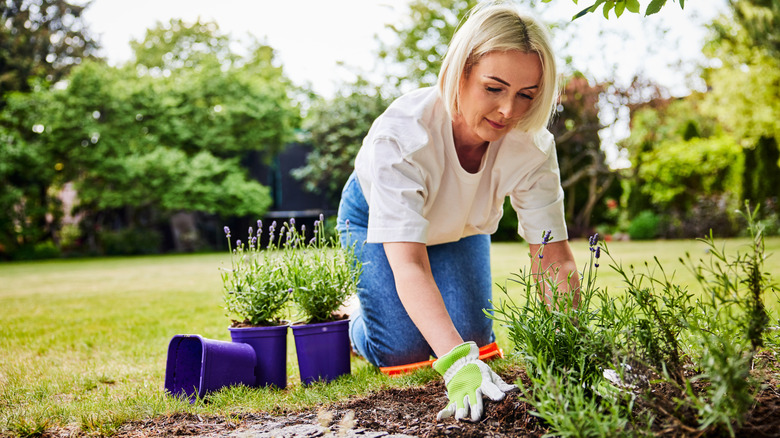
Lavender (Lavandula) is one of those perennial plants that has it all: It's stunning, fragrant, and easygoing. To grow lavender for an endless supply of dazzling purple flowers, you should wait for soil temperatures to reach 60 degrees Fahrenheit, which typically occurs between May and June in a lot of states. As summer weather ramps up, it will get the constant heat and sunlight it needs. You can buy small lavender plants from local nurseries, online shops, and even some big box retailers, then place them directly into well-draining soil. This herb can be grown in zones 5 through 9.
Sage
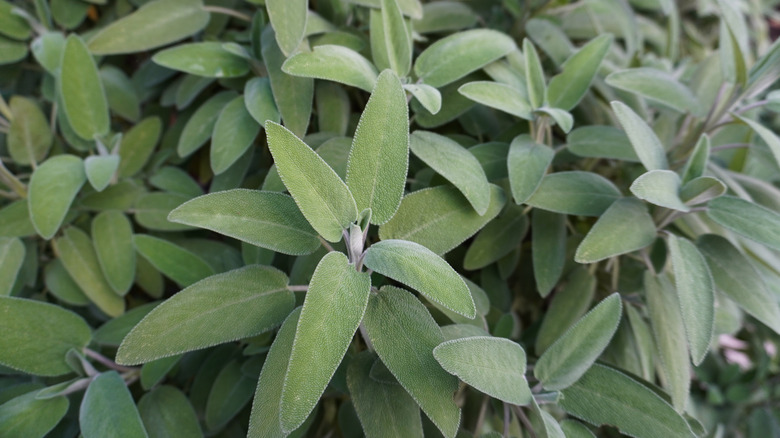
Sage (Salvia officinalis) is a shrubby flowering perennial that's often used in cooking. And while you're probably familiar with its fragrant leaves, sage does have pretty purple blooms that make a fantastic addition to herb or flower gardens. This plant is from the salvia family, which are best planted from mid to late spring. For these, look for a sunny spot in your garden and make sure to plant in well-draining soil. Sage is hardy in zones 5 through 10.
Yarrow
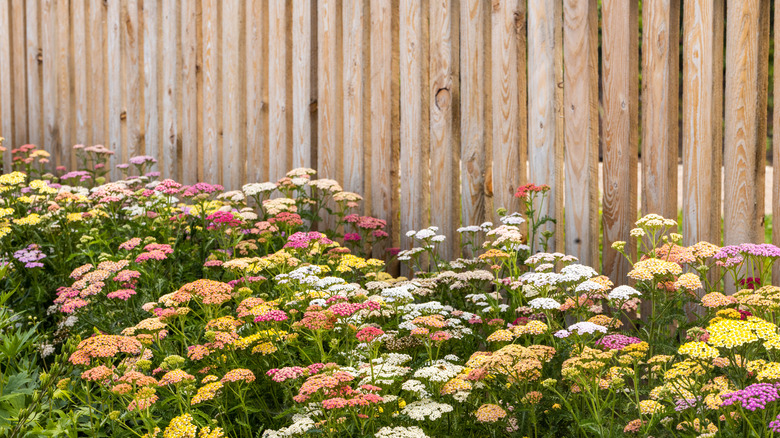
Yarrow (Achillea millefolium), is a fantastic perennial flower for anyone looking to design and plant the perfect cottage-style gardens or meadows. These can be purchased as live plants in nursery pots, which you can then transfer into the ground in your garden until early summer. Yarrow thrives in well-draining soils, like sand or gravel-type soil mixes. However, yarrow is toxic for cats and dogs. So if you have any pets, it's best to avoid. This plant can be grown in zones 3 through 9.