

Goodbye Minimalism — The Centuries-Old Garden Trend That's Making A Comeback In 2026
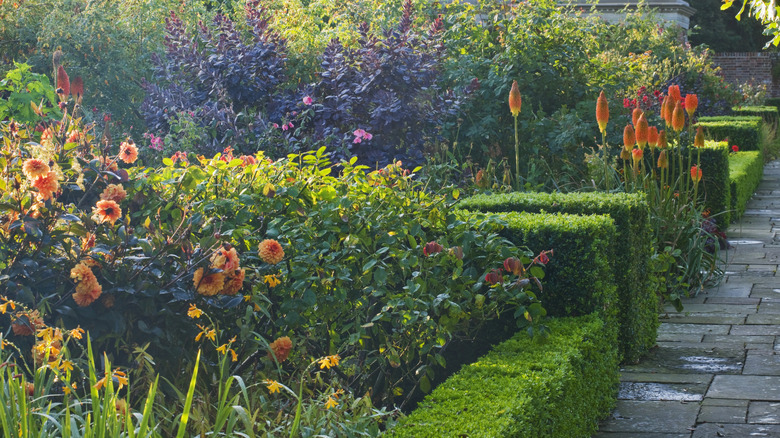
Like other aspects of home design, popular garden design trends come and go. While garden magazines still offer inspiration, digital platforms have dramatically expanded gardening content in recent years. Thanks to social media, gardening ideas can soar to popularity quickly. With minimalism declining in popularity, gardeners are looking for fresh ideas to spruce up their outdoor spaces. One classic garden look that seems to be making waves lately is the Euro-Style garden.
Even without a sprawling estate in Italy or the French countryside, many Euro-Style garden elements can still be recreated in your own garden space. These include formal lines, symmetrical plantings, closely-clipped evergreen hedges, herbaceous borders, and decorative but functional structures such as gazebos, pavilions, or pergolas. This spring, Elle Decor observed that incorporating symmetry is a growing garden trend, balancing colors and textures of plants to create a harmonious look. The Spruce says Euro-Style gardens were popular in the '60s and '70s with suburban homeowners, who added hedges to make flat suburban yards more interesting, and also notes that this retro look is making a comeback in 2026.
The New York Times recently described chaos gardening as a colorful, free-form alternative to more restrained outdoor aesthetics. However, the return of Euro-Style gardens isn't just about rejecting the status quo: this look is enchanting and timeless. The Euro-Style garden embraces old-world garden style and charm that prioritizes natural beauty over carefully curated looks.
How to create a Euro-Style garden at home
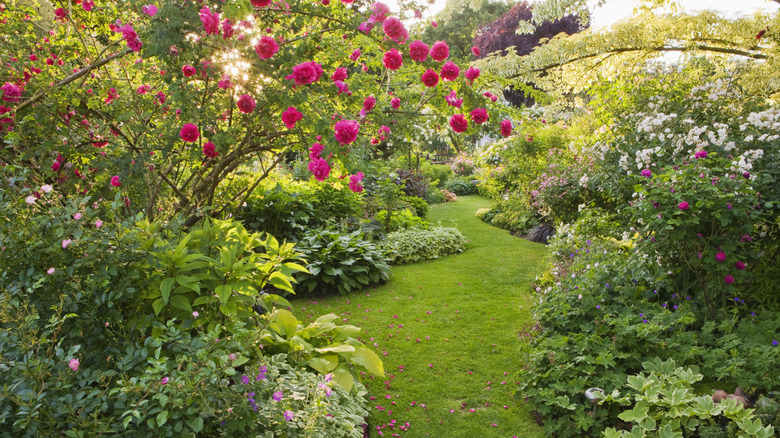
European gardens embrace a variety of features depending on their location, climate, size, and age. For example, a contemporary Swedish garden might look very different from an established cottage garden in England. Pergolas and arbors are commonly seen in Mediterranean climates where grapes are grown, as well as espaliered apple, pear, or cherry trees planted as decorative and edible garden features. Herb gardens in Provence, olive groves in Tuscany, botanical gardens in Barcelona: different regions have a long history of elaborate or functional garden designs that seem to define their garden culture, which is rooted in a long tradition of living closely alongside nature.
Depending on what plants you already have in your garden, you can create a Euro-Style garden by considering the overall look and adding things for visual interest. This can include well-placed structural elements like arbors, birdbaths, benches, small groupings of planters with herbs or annual flowers, or rustic pieces of sculpture or stonework. These details can make smaller gardens feel more immersive, giving the illusion of a larger area, such as in an estate garden.
European gardens often have a mix of plantings to provide four seasons of interest, as much of Europe has a temperate climate. Having a mix of trees, shrubs, vines, and perennials creates a full, lush look that stimulates the senses. Another bonus to this method of planting is that it can attract birds and wildlife, increasing your garden's biodiversity and creating a sustainable way to celebrate nature in your garden.
Plants commonly used in Euro-Style Garden
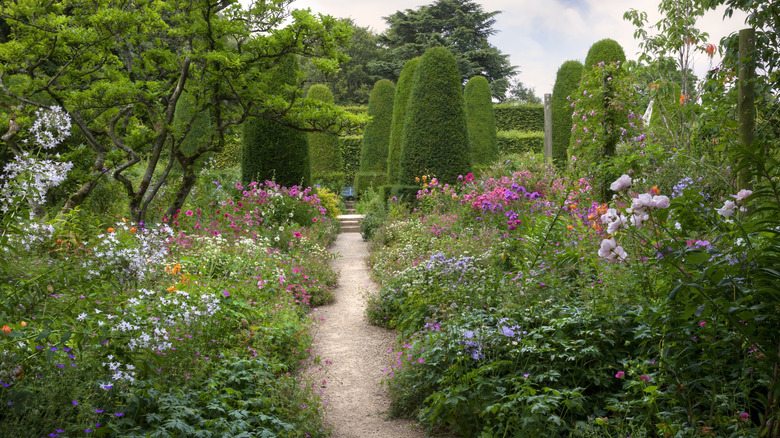
Euro-Style gardens can range from highly formal to more relaxed cottage-inspired layouts. While French and Italian garden styles are often more formal, English gardens tend towards informal, including cottage gardens and potager gardens. But Euro-Style gardens may also meld formal and informal design elements in one space, expressed in various ways, including plants. Formal looks might include carefully clipped boxwood or yew hedges. Symmetrical groupings of terracotta pots filled with annuals can also reinforce the classic European aesthetic. A trellis or arbor with climbing roses or clematis vines combines the organic, informal shape of flowers with the formal lines of support structures.
Informal plant elements might include groupings of flowers or foliage plants with boldly contrasting colors for impact, such as chartreuse hosta with bright red astilbes and purple coral bells. Or design a cottage garden with mixed heights, textures, and shapes of flowers. Decorative touches like sculptures, birdbaths, or cafe tables can help anchor the design visually. Choosing classic looks and shapes, as opposed to minimalist-looking modern pieces, blends more smoothly with this aesthetic.
Euro-Style gardens often have food-producing plants, based on the ancient French tradition of the potager garden, aka kitchen garden. Not only are such plants functional, but they add wonderful color and fragrance to the garden. Consider adding an herb garden, planted in pots or a small bed edged in stone. Dwarf fruit trees are suitable for smaller yards, and mature faster than full-size ones. Some fruit tree varieties require pollinators, while others are self-fertile. Fruit trees also elevate the seasonal beauty of a Euro-Style garden with spring blossoms, summer leaves, and autumn harvests.