

15 Perennials You Should Be Dividing In May
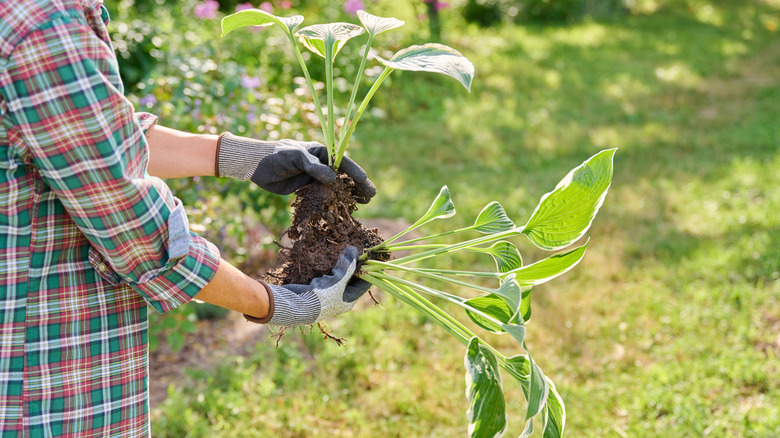
Spring is a time filled with new beginnings in the garden. New plants, new seedlings, and new blossoms on the trees. But by May, you should be turning your focus to some of your older plants, like clumping perennials. Over time, some perennials will grow together in dense clumps that can look a bit crowded after a few years. Oftentimes, the roots are too crowded for healthy growth, and the foliage may be too dense for good airflow. Overcrowding can lead to smaller blooms and increase the risk of disease. The best way to address this problem is to divide the plants by digging up the roots and replanting them in multiple locations. You can also use this method to propagate new plants. In general, you will want to divide your late-season perennials in May, just after new growth begins.
Dividing perennials is a necessary gardening task, but it can be shocking to the plant when done improperly. If you're new to gardening, don't forget to use a guide for dividing flowers in the spring to avoid damaging your perennials. You can divide most perennial plants that have runners, bulbs, tubers, or rhizomes, but you can't divide single-stem perennials. May is the ideal time to divide late-summer and fall blooming perennials so you don't interrupt flowering or fruiting growth, and you give the roots time to reestablish. Plants like asters, chrysanthemums, and dianthuses that bloom in the summer can always be divided in May. However, you should check the specific guidance for plants that have some varieties that bloom earlier in the season, like catmint, daylilies, and lamb's ear. For late-spring blooming varieties, May might be too late.
Asters
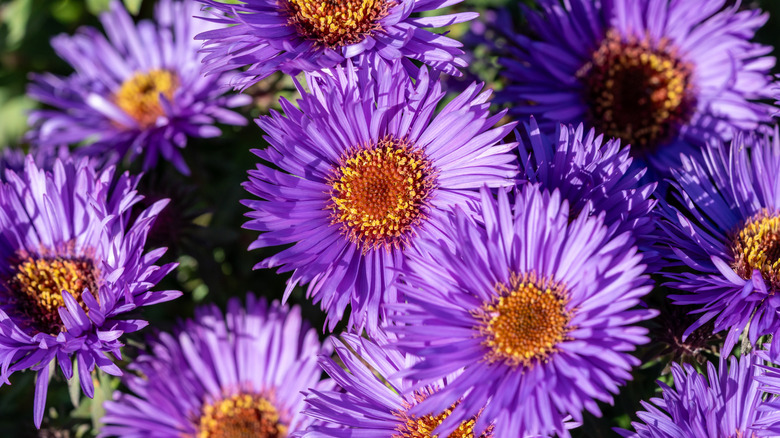
Since aster flowers bloom in USDA Hardiness Zones 4 to 8 in the summer and fall, spring is an excellent time to get dividing out of the way. As long as buds have not fully formed, May is ideal for splitting roots without damaging summer blooms. Unfortunately, diving asters can put stress on the new flowers, but when done right, it can also breathe new life into the old blooms. You can divide your asters every two or three years when you notice fewer flowers, dense growth, weak stems, large clumps, or rambling stems falling over.
Astilbe
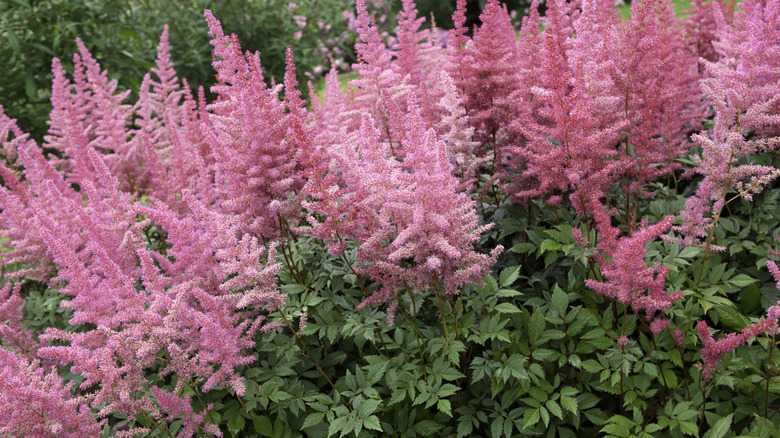
May might be a good time to divide your astilbe depending on the variety and your region. These perennials grow best in Zones 4 to 8. In general, you will want to divide astilbe after new growth begins, but before it begins to bloom. Most astilbe blooms in the late spring or summer, with some varieties beginning to bloom in May. For later-blooming varieties, May is perfect for dividing. Astilbe should be divided every three to four years. The root system grows in a ring, so be careful to remove the entire ring when digging it out.
Bee balm
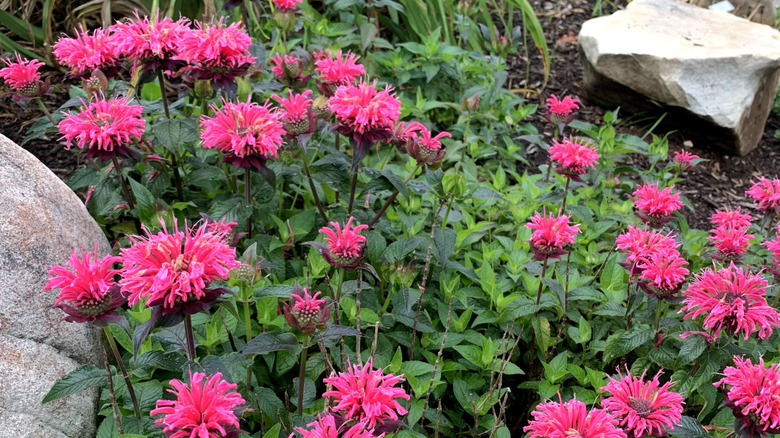
Bee balm (Monarda didyma), also known as bergamot, is a perennial that grows in Zones 4 to 9. As these unique flowers grow more dense, they become susceptible to diseases like powdery mildew. Luckily, you can prevent diseased bee balm with this essential spring gardening task by dividing it in May. Plus, division is one of the most recommended propagation strategies for these hardy perennials. Bee balm also grows in a ring with a dead spot in the center, so take care when digging up and cleaning off the roots.
Catmint
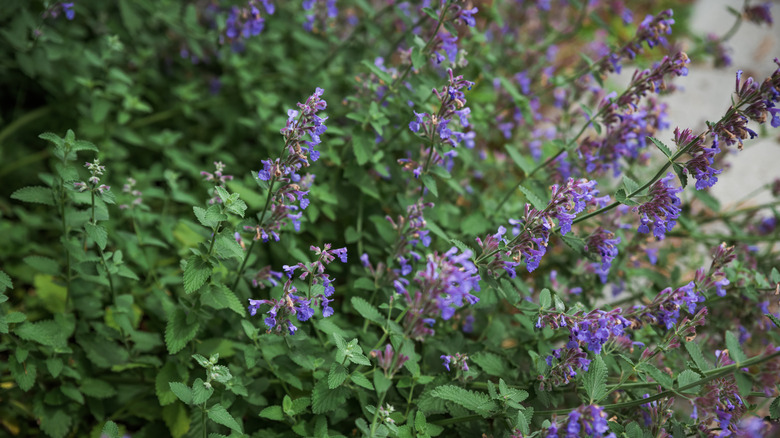
If you notice your catmint (Nepeta spp.) balding in the center, it is probably time to divide it. In Zones 3 to 8, you can usually divide catmint between April and June. However, some varieties may start blooming by mid-May. Division is best done before catmint starts flowering, so check the details for your variety and region. For healthy growth, divide your catmint plants every three to four years. Catmint is a fast-growing perennial, so if you want to control the size, you can divide it every year.
Coneflower
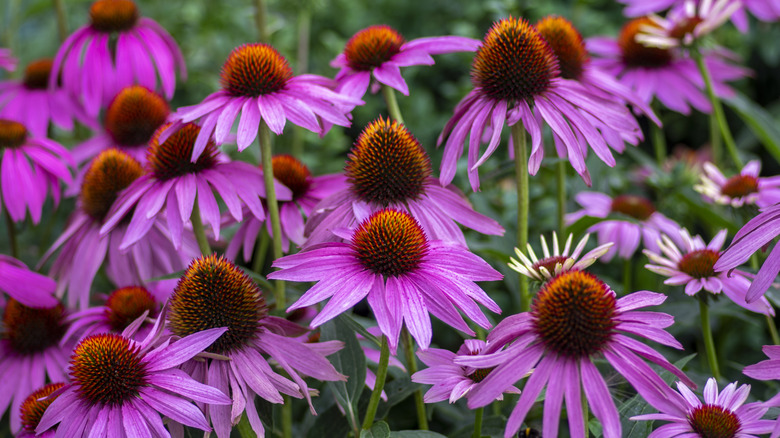
Coneflower (Echinacea spp.) is commonly found in wildflower beds in Zones 3 to 9 and spreads through self-seeding, so most people don't think that you can divide them. While you may not need to divide coneflower to propagate, you can divide older clumps in May to improve spacing and encourage healthy airflow. Coneflower is a low-maintenance plant, so you shouldn't need to look for clumps every year. Generally, you go about three or four years before dividing your coneflower again.
Chrysanthemum
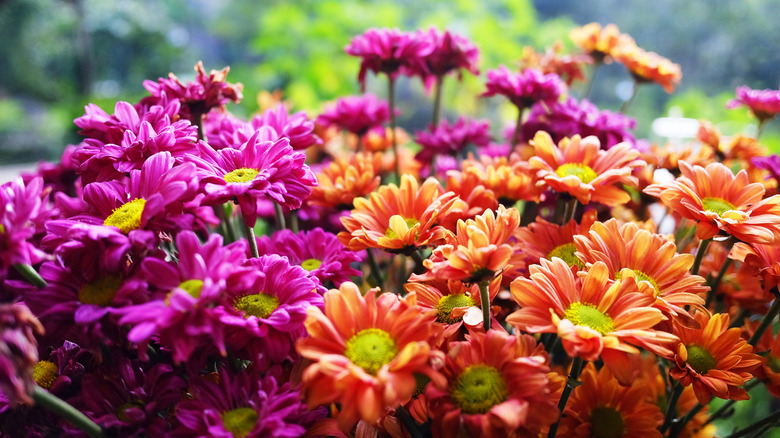
Chrysanthemums are another type of plant that benefits from division in the spring. Hardy in Zones 3 to 9, chrysanthemums usually start blooming in the summer and fall, which means that May is a great time to divide. If you have potted chrysanthemums that you want to come back every year, you'll want to divide those, too. You can divide these perennials every two or three years. They spread through runners, so when you divide you need to cut the runners away from the main clump with roots still attached.
Daylilies
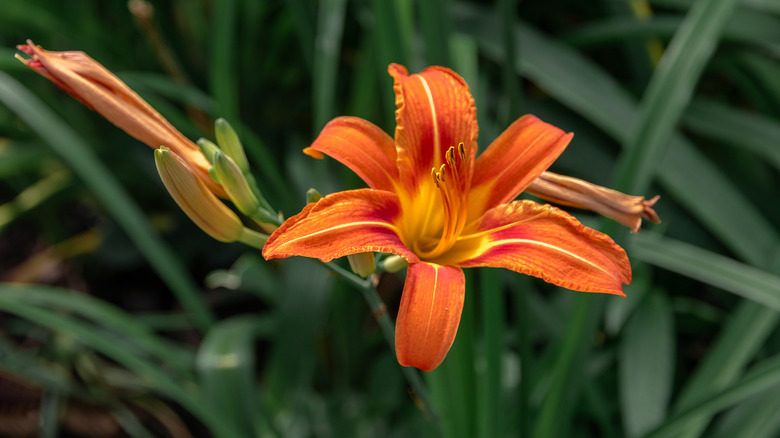
When daylilies (Hemerocallis) get crowded, they start growing long stems with fewer flowers that tip over more easily, making for a rather messy display. To keep your daylilies looking fresh and neat, divide them every three to five years. Daylilies bloom in the spring and summer, so they can be divided in either the spring or fall. If they haven't bloomed yet, May is still a good time to divide them in Zones 3 to 9. After dividing, it can take daylilies another year or two before blooming again.
Dianthus
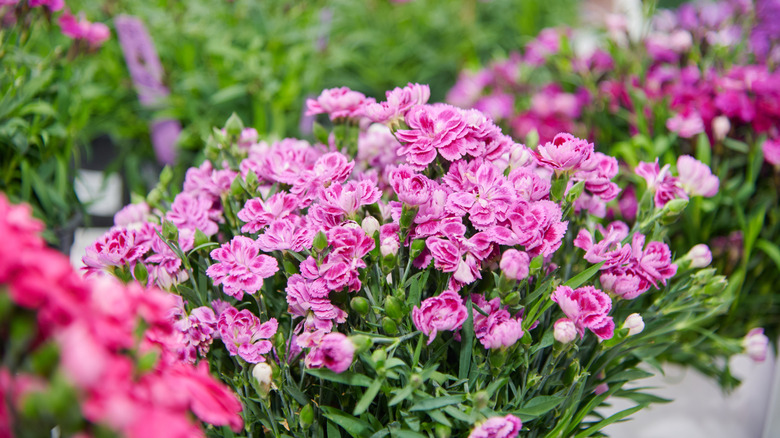
As a summer blooming plant, dianthus, also known as cheddar pinks, does well when divided in May, just before new buds start emerging. This hardy perennial grows well in Zones 3 to 9, but they can quickly get crowded. You can divide every two or three years to propagate them, too. By dividing dianthus right before the growing season, it encourages healthy root growth. However, you don't want to dig them up during the growing season, so avoid dividing if your dianthus is already blooming in May.
Goldenrod
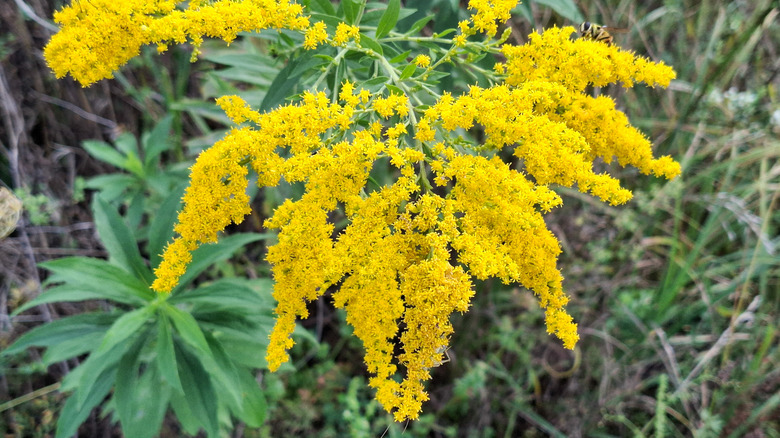
Goldenrod (Solidago spp.) is a pollinator-favorite flower that'll add a gorgeous glow to your autumn garden. As another summer and fall-blooming flower, they can easily be divided in May before they enter their active growing season. These vibrant blooming perennials grow best in Zones 2 through 8 and can be propagated by division. Dividing also helps control how much they spread. If overgrowth is a concern, you can divide your goldenrod as often as every two or three years.
Hostas
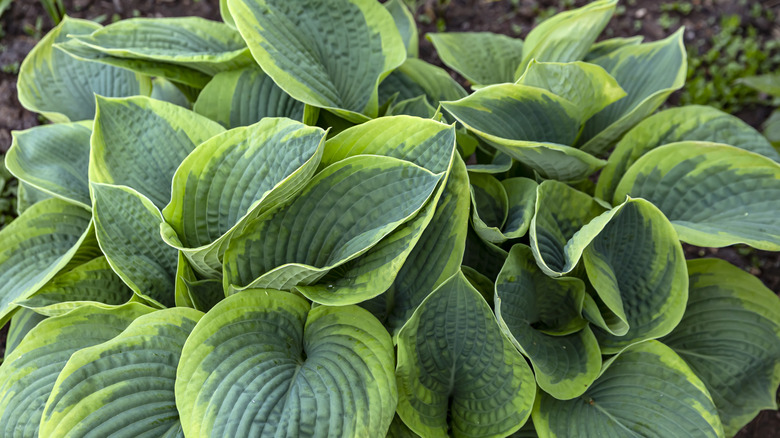
May is the absolute best time to divide your hostas because the leaves are a few inches tall, but the plant hasn't started developing flowers yet. Hostas are a popular perennial that is used as a border plant, grows well in the shade, and is considered relatively low-maintenance in Zones 3 to 8. Its division requirements reflect its laid-back nature. Hostas are considered one of the easiest plants to divide, and you only need to do it every four to five years if you want to propagate or clean up the appearance.
Lamb's ear

Lamb's ear (Stachys spp.) is a hardy perennial in Zones 4 to 8 that benefits from regular division. It is best to divide your lamb's ear every two to four years to promote healthy growth when the center starts to die out. Division can be done any time in the spring or fall, but May is a great time to divide before the active growing season for summer-blooming varieties. Most varieties bloom in the summer, but it's best to check your specific variety before dividing in May to avoid interrupting late spring-blooming varieties.
Phlox
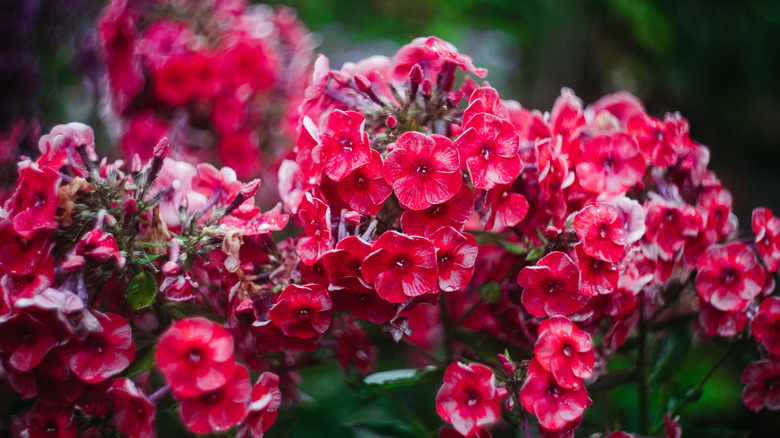
Powdery mildew can be an issue for phlox when clumps get too dense. To resolve this problem, it is best to divide your phlox every three or four years the same way you would divide astilbe or bee balm since the roots grow in a ring. May is a great time to promote good airflow and reduce the risk of powdery mildew, especially since this perennial grows in Zones 3 to 9. Pay attention to growth — since some varieties can bloom in the spring, May could be too late.
Red hot poker
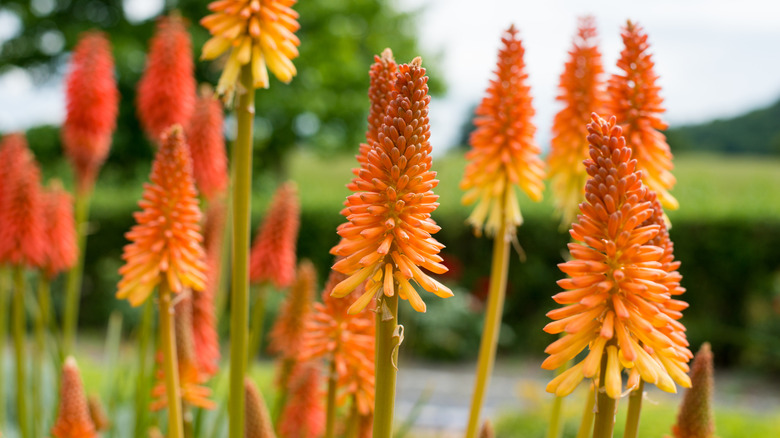
Red hot poker (Kniphofia spp.) is a summer and fall blooming perennial in Zones 5 to 8. You can divide your red hot poker plant in the spring for healthier growth and more blooms or to propagate new plants. Generally, you can do this at any time in the spring as long as the plant has buds, but not blooms. Only divide the offshoots around the edge of the plant. It can take two or three years for the new plant to start blooming. You can divide when you notice new offshoots every four or five years.
Shasta daisy
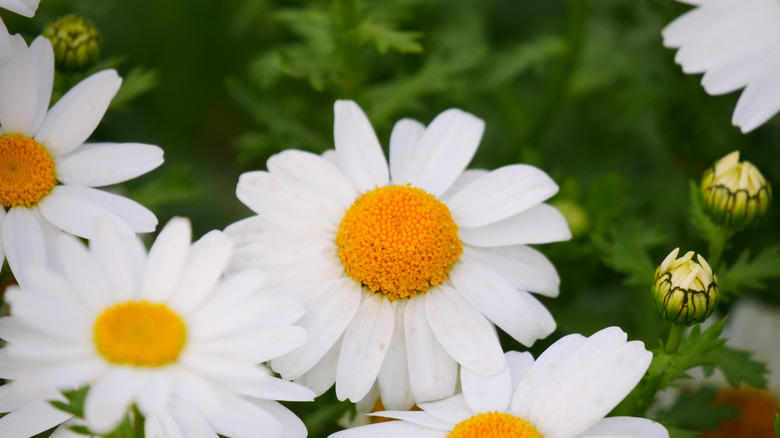
Shasta daisies (Leucanthemum x superbum) are another wildflower that doesn't necessarily propagate from division, but can perform better when divided every two or three years. Shasta daisies grow best in Zones 4 to 9 and usually bloom in the summer or fall. You can divide your Shasta daisies any time in the spring, including May, as long as they have not begun flowering yet. If you see active buds, it is too late.
Yarrow
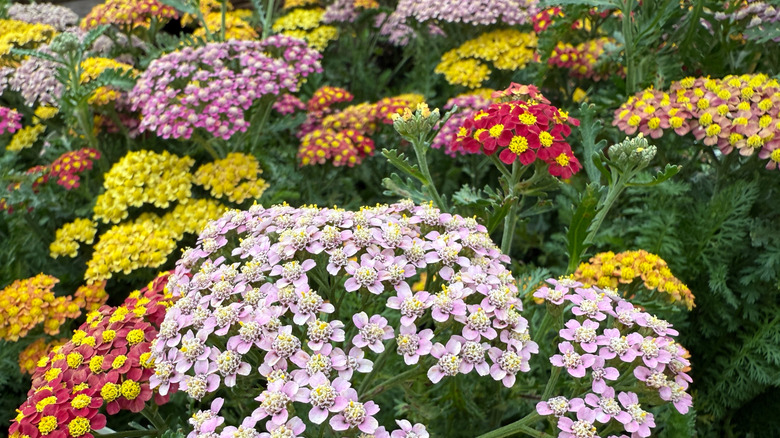
Dividing is an important gardening practice to help control the spread of yarrow (Achillea spp.), and May is the perfect time to add it to your to-do list. Yarrow grows best in Zones 3 to 9 and is known to spread rapidly. It is especially important to divide yarrow when it is placed in flower beds to improve air flow. If you notice a dead area in the center, it's time to divide, but generally you can wait three to five years between divisions. Because it grows through rhizomes, yarrow is generally considered easy to divide.