

Whoever Says Gardening Improves Mental Health Has Obviously Never Gardened A Day In Their Life
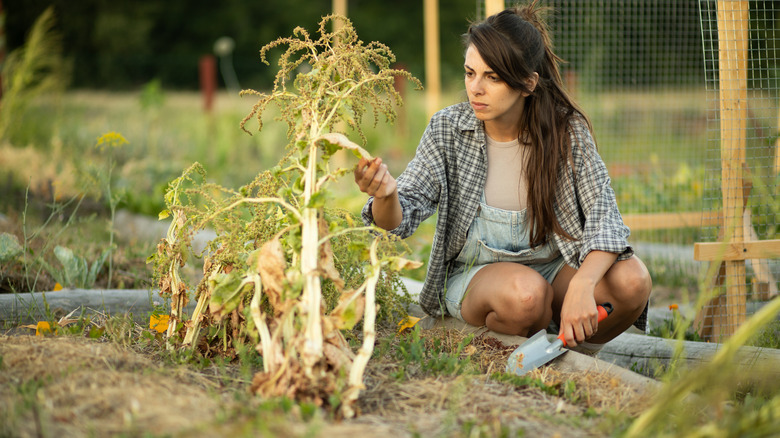
If someone recommended a pastime that guarantees stressing over the weather, insect infestations, borderline heatstroke, and itchy rashes, you would probably wonder what was wrong with them and politely decline. But, what if I told you that pastime was gardening, and everyone says it will improve your mental health? I mean, what could be more calming than sweating in 90 degree heat with 95% humidity to save your garden from quickly encroaching Bermuda grass? I can assure you that the idea of losing the plants you've spent time and money on is stressful, and Mother Nature isn't there to help. You are alone in this battle.
The thing that makes me question the mental health benefits of gardening is that we go through the same process every year. When the first frost comes and our bodies and gardens are spent, we make promises to ourselves: Next year, I'll keep up with the weeds. I'll downsize. I will be more prepared. These are lies we firmly believe — then the cold winter and seed catalogs come along. Somehow, we've forgotten the summer struggle and decide we need more room to grow because we simply must try these new varieties of squash. The cycle begins all over when the ground is ready to work. Maybe I'm a glutton for punishment, but I still love gardening. And, there are actually many benefits, even if the mental health part is a bit hit and miss.
Mother Nature will leave you feeling helpless
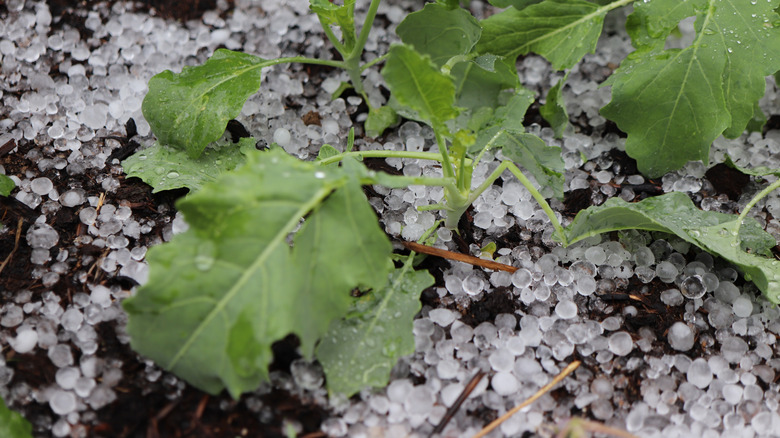
The first year I successfully grew tomato plants from seed, I was so proud! I had about 20 seedlings ready to go in the ground, and I had done everything right. They were so strong and healthy that I could practically taste the Cherokee purple slices that would soon grace my plate. But, Mother Nature had other plans. Specifically, a massive hailstorm that crushed most of my carefully tended toms. There was nothing I could do but watch golfball-sized hail demolish what I'd so lovingly grown. Just as those hailstones crushed my little plants, they metaphorically crushed my heart, leaving me feeling helpless and defeated. That was the first time I discovered that nothing is guaranteed in the garden, no matter how hard you try.
Late frosts are also common where I live, and they often hit fruit and blooming trees hard. When you wait patiently to enjoy the stunning colors of your eastern redbuds and dogwoods only to see them zapped overnight, it's disheartening. And more than once when a late frost wiped out my food crops, it has made me consider giving up altogether ... but I'm stubborn. When nature deals these blows, not only are you faced with disappointment, but it's expensive to replace all the plants you lost. There are so many benefits to starting seeds instead of buying plants, but sometimes you end up doing both.
Bugs can send you spiraling
When I first started gardening about 20 years ago, there weren't any apps to help identify insects or plants. Although I sometimes use plant identification apps to determine if a seedling is a friend or foe, insects can be more difficult to identify. Is that a cucumber beetle or a native ladybug? A leaf-footed bug or an assassin bug? In each of these cases, the first is incredibly harmful to crops while the latter are beneficial insects that you want to attract. It takes time and experience to tell them apart, and when I started growing an organic garden, it was super stressful to try to figure out who to get rid of. This so-called therapeutic hobby now involved tons of research and inevitable failures I'd just have to learn from.
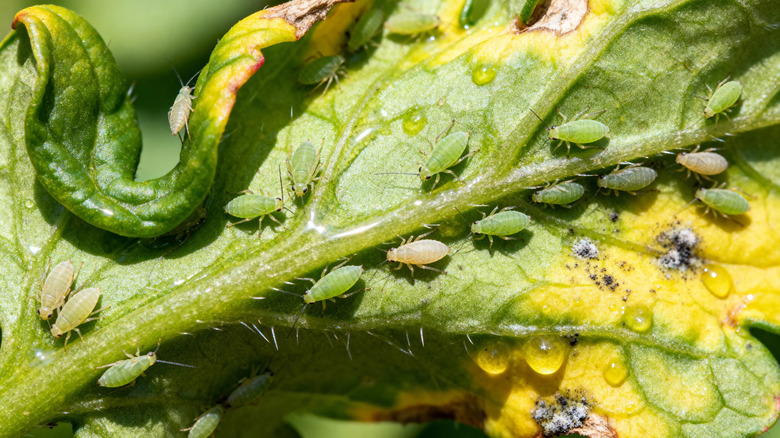
We certainly can't discuss garden pests without bringing up the ever-present aphid. These tiny buggers appear en masse seemingly overnight to suck the sap out of the tissue of healthy plants. When I first discovered an infestation it was a shock! One day, I had a beautiful patch of okra, and the next all my plants were absolutely covered in these tiny monsters. That might have been the first time I reached panic-level gardening. Thankfully, I didn't have any pesticides on-hand because I probably would have used one, which would have killed my good bugs, too. Instead, I was able to quickly search how to get rid of aphids and grab my handy hose-end sprayer to knock them off. The rollercoaster ride involved in day-to-day gardening successes and struggles definitely isn't beneficial for my mental health!
Weeds are the nightmare we can't wake up from
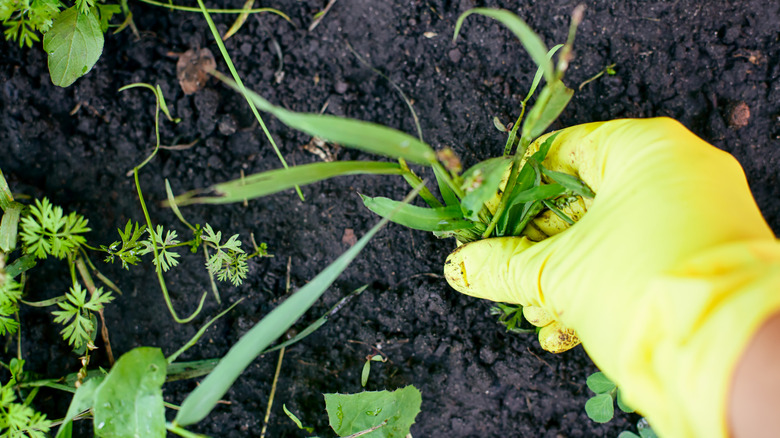
Like many pests, weeds seem to pop up overnight to take over your garden. I keep my garden mulched to help keep the soil cool, reduce evaporation, and smother weeds, but where there is a will there is a way — and weeds are exceptionally willful, much to my continued frustration. In this category, I am also including grass because I don't want it in my garden competing with my plants for resources. If you live in a warmer climate like I do, you know how quickly invasive Bermuda grass spreads, but every region has weeds or unwanted grasses trying to take over their healthy garden soil. From winter weeds, like henbit, to summer sprouters, like pigweed and spurge, weeding never really stops. This creates a to-do list that never gets done that sometimes plays over and over in a loop in my mind when I'm trying to go to sleep.
I have spent many summer evenings angrily sweating and slapping at mosquitoes to keep weeds from taking over my garden. Bermuda, in particular, is incredibly difficult to remove. I've dug and pulled those tough rhizomes until my hands ache and my fingertips are raw. I'll simply say: Words have been said in the garden that I can't repeat here.
Yes, I'm still obsessed with gardening
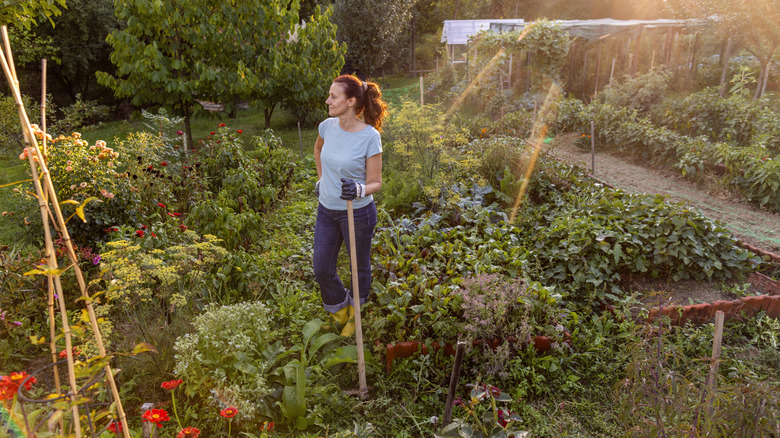
Now that I've shared all the downsides of gardening, let me tell you another story. One year, I took a tumble and ended up with a grade 3 ankle sprain about a week before I needed to plant most of my summer garden. I couldn't walk without crutches, so I planted my 600 square foot garden crawling on my hands and knees wearing an ankle brace. I had raw knees and sore wrists for a week. I also get rashes and skin pricks from harvesting green beans and cucumbers and have had countless cuts and bruises from this hobby/obsession.
Why would I continue to put myself through all this? Why is it worth the worry, stress, and anger? Because, in the end, it's pure magic. When you plant seeds along a hoop trellis and it becomes a fairytale path of blooms and beans, it's miraculous. The first taste of a ripe strawberry is a gift. When you're not battling pests, heat, and weeds, there is an unequalled sense of accomplishment and peace as you look at your garden. Those precious moments (although not guaranteed) make it all worthwhile.
Gardening also keeps you moving, sweating, and looking forward to good things. When you plant bulbs in the fall, you get to foster the hope of beautiful blooms in the spring. It may not entirely improve your mental health, but what's good for your body is good for your mind, right? Plus, you get tomatoes!