

Is There Any Way To Tell How Big The Plant You Bought Will Get?
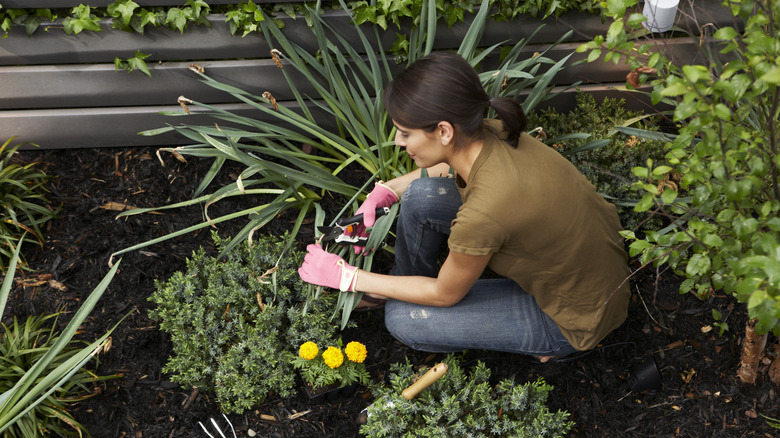
It can be tempting, even natural, to buy plants based on how they look in that moment without necessarily considering what their future selves will look like or how much they'll grow. While there's no way to find out with 100% accuracy how big — or not-so-big — a plant will get, it's important for the sake of your plant that you have a general idea. Finding out isn't that difficult, but it comes down to several different factors.
The easiest way to find out how big a plant will get is to check the plant tag that comes with almost every plant you buy. Plenty of people underestimate the value of these small plastic tags stuck inside nursery pots. Plant tags hold much more information than just the plant name and its watering requirements; they will also include the height and width ranges for a mature plant. These tiny resources also show the plant's growth rate, which can give you an idea of how long it typically takes to reach maturity.
But that doesn't mean your plant is guaranteed to grow that big. Although plant tags are often the fastest way to find out how big the plant you buy will get, there are other several factors you should consider, too.
How to find out a plant's size when it reaches maturity
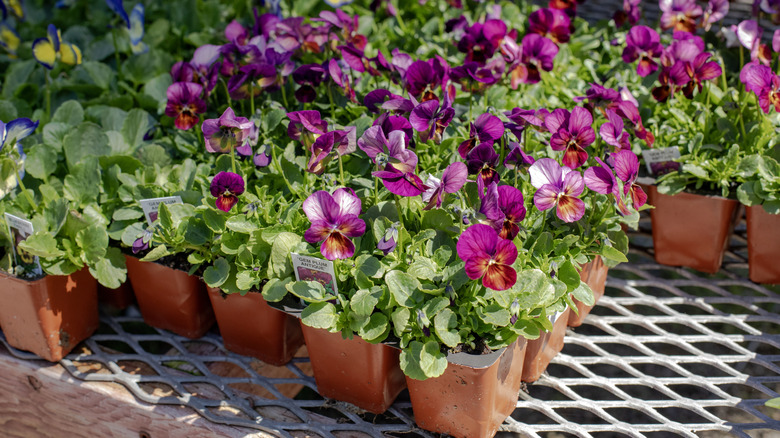
Unfortunately, there's no crystal ball to tell you exactly how big your plant will get. That's why you'll need to do your own digging to make sure your plants reach their full potential. No matter what, when they're planted too close together, plants compete for resources like water, sunlight, and even air. Although your plant might decide to do its own thing, regardless of your growing zone or diligent care, looking at a few things can make it easier to know its ultimate size.
Getting familiar with plant tag lingo can keep unexpected surprises at bay. Descriptions like "dwarf" or "slow-growing" might sound like they'll end up on the smaller side, but those words don't always mean what you think. While dwarf plants are great for small gardens, they can still grow much larger than you may want. With enough time, even a slow-growing tree can reach 20 feet or more.
Genetics doesn't always determine a plant's size at maturity. Growing conditions play a part in how large a plant ultimately becomes. From the type and color of your soil to how often you water and fertilize them, plants respond to their living conditions, some of which, like the weather, you don't have any control over.
Another great way to find out how big a plant will grow is to look at plant sizes around your neighborhood, especially ones that look well-established. If all else fails, check your local nursery, where there's no short supply of plant experts in your region. They'll likely have firsthand experience with how plants, especially popular picks, behave in your area.