

17 Indoor Plants That Bring Bold Summer Colors To Your Home

It's time to officially say goodbye to the era of millennial minimalism and bring back bright and bold colors to your home. If you're not looking to repaint your entire living room wall or splurge on a hot pink couch, there are other, easier ways to add color to your space, including bright houseplants that are perfect for growing indoors. Whether you live in a chilly or sweltering environment, you can enjoy vibrant reds, pinks, purples, greens, and yellows around your home by adding a few of these plants. While some may only bloom for a few months and leave stunning green leaves behind in their wake, like cyclamen (Cyclamen persicum), others can bloom for almost an entire year, like the African violet (Saintpaulia ionantha).
Many of these houseplants are quite low-maintenance, requiring adequate light, consistent watering, and well-draining soil. Some are houseplants you barely need to water at all. If you're new to caring for indoor plants, the responsibility may sound overwhelming. However, as long as you take stock of your windows and lighting and select a species that fits the environment of your home, it should have no problem thriving. It may take some trial and error to perfect your collection, but the result is sure to be worth it.
Hibiscus
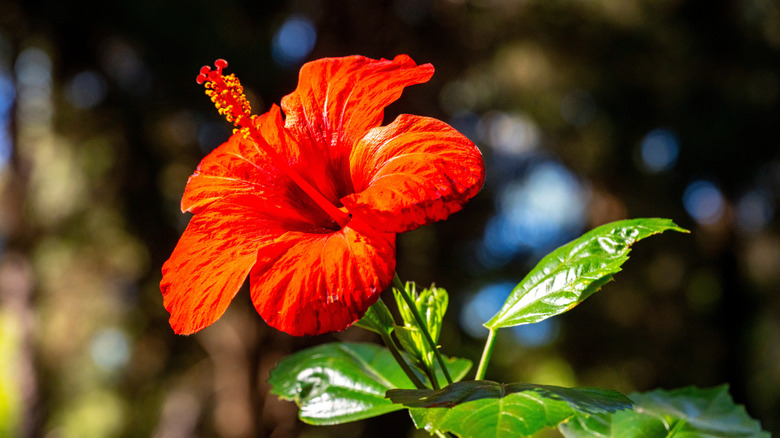
While you may associate hibiscus flowers with a vast garden bed, these vibrant plants can actually be a wonderful addition to your home. Whether you want to enjoy them in the summer or over the winter, in a cold climate or a tropical climate, tropical hibiscus (Hibiscus rosa-sinensis) can add bright color to your space with a bit of care. Their main requirement to bloom is plenty of sun, so these plants should be kept in an area with a direct light source like a sunny window.
African violet
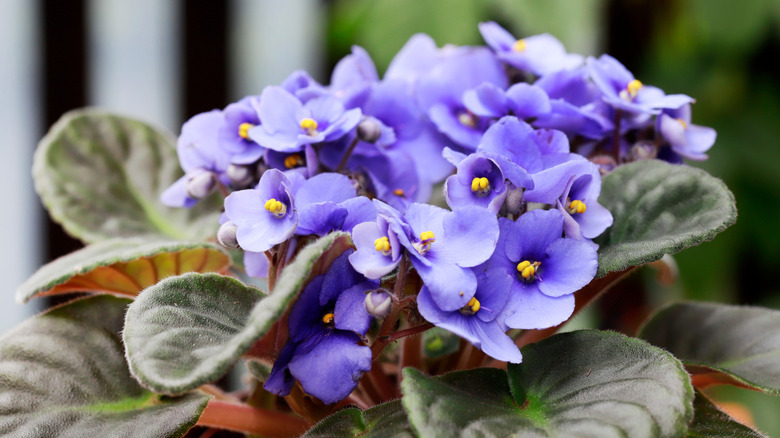
Bring a pop of color to your home with the African violet. This medium-maintenance plant has a short list of requirements but can produce a range of vivid flower colors, including violet, white, and pink. Its blooms last throughout the year and adapt well to indoor living. When watering this semi-succulent, make sure to water only at the roots and keep moisture from the leaves. It prefers bright sunlight, whether direct or indirect. The African violet's dark green leaves and bright flowers will bring summer to your home in any season.
Cyclamen
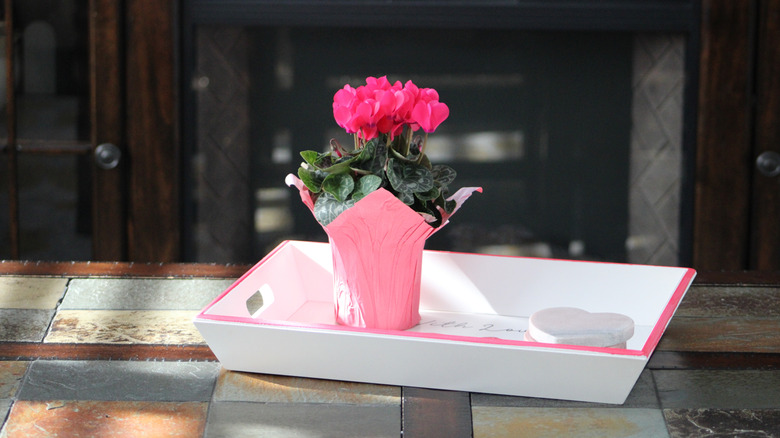
Cyclamen can come in multiple colors, ranging from red to white to pink. Since this plant is not a huge fan of frost yet blooms in the winter, it makes an excellent houseplant that produces bright tubular blooms and patterned green leaves. As long as you provide this plant with its necessary conditions, including bright, indirect light and cooler temperatures (60 to 65 degrees Fahrenheit in the daytime is ideal), your cyclamen can bloom for up to three months. Note that while this flower is only moderately toxic to humans, it is extremely toxic to animals. If you have pets, this may not be the houseplant for you.
Moth orchid
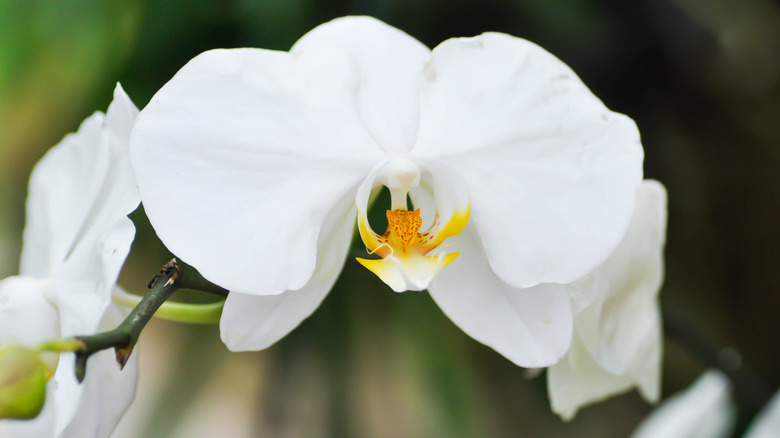
If there's one houseplant you can probably recognize by its iconic blooms, it's the orchid (Orchidaceae). If you're a beginner, it's typically best to start with an easier species like the moth orchid (Phalaenopsis), which sports pretty white or pink flowers. Since orchids prefer humidity, you can keep a pebble and water tray underneath your plant to help keep up its humidity levels. You will want to ensure your orchid receives bright, indirect light, such as an east-facing windowsill. Moth orchids typically bloom for about four to six months.
Christmas cactus
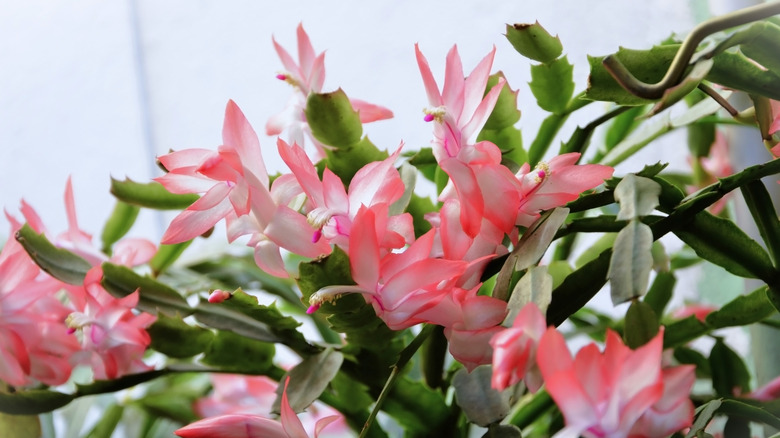
As you might expect from its seasonal name, the Christmas cactus (Schlumbergera × buckleyi) is a lovely houseplant that can be found blooming during the colder seasons. This is a great option for anyone looking to add a bit of color to their home during the dreary winter months. Christmas cacti should always be housed in a pot with great drainage and kept in bright, indirect light. Even when it's not blooming, this houseplant provides lush, dark green foliage for your home. If you have pets or kids, the Christmas cactus is an excellent choice as it is a non-toxic houseplant that is safe for any space.
Polka dot plant
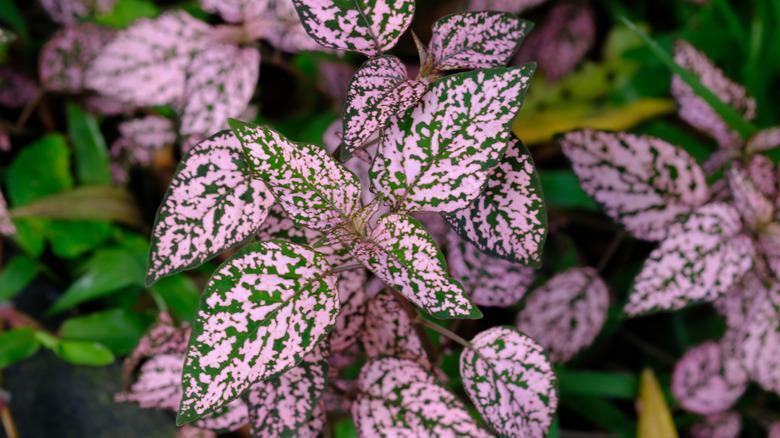
The polka dot plant (Hypoestes phyllostachya) is the perfect mix of a typical green houseplant and bright colors. While it may not boast large blooms, this tropical houseplant typically sports stunning pink spots on its dark green leaves. However, you can find varieties of different shades, like red or light green. The polka dot plant is low-maintenance, preferring high humidity and bright, indirect light. You can even add this species to a terrarium. They can grow leggy, so pinch them back regularly. You can also easily grow new plants with cuttings.
Bird of paradise
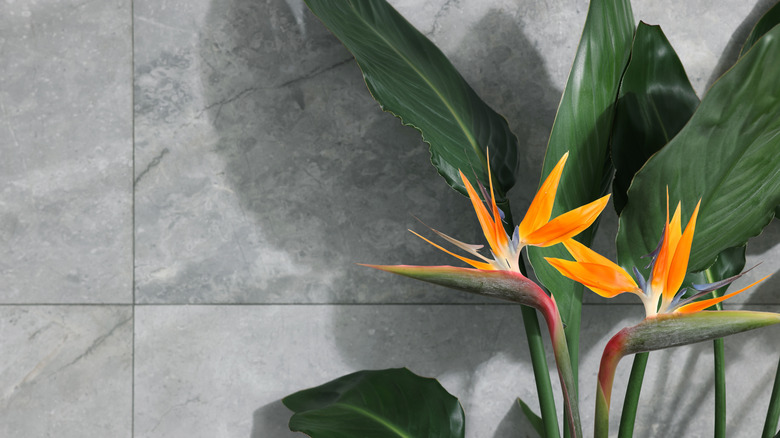
Adding a bird of paradise (Strelitzia reginae) plant to your home is never a bad idea. Known for their iconic, feather-like blooms in orange and dark blue, birds of paradise are an excellent choice for any room. You can even use the cultivar 'Mandela's Gold,' which blossoms bright yellow, for ultimate summer vibes. Originally from South Africa, this unique plant can grow up to 6 feet tall indoors, but thankfully, it is slow-growing. Birds of paradise require as much sunlight as possible to bloom, as well as consistent watering.
Chinese evergreen
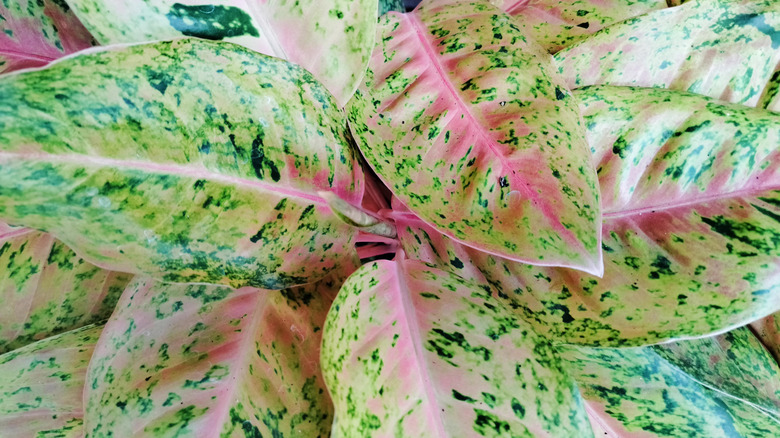
Also known as golden evergreen or the poison dart plant, the Chinese evergreen (Aglaonema) is a perennial plant that thrives as a houseplant. It typically only grows to about 1½ feet tall with vertical leaves, making it a great size for a windowsill or countertop. This houseplant is known for its easy maintenance and colorful foliage, which comes in shades of green, red, pink, silver, and white. Chinese evergreen should be kept in well-draining soil in areas with low light. When it comes to hydration, these plants are durable and can withstand inconsistent watering.
Flamingo flower
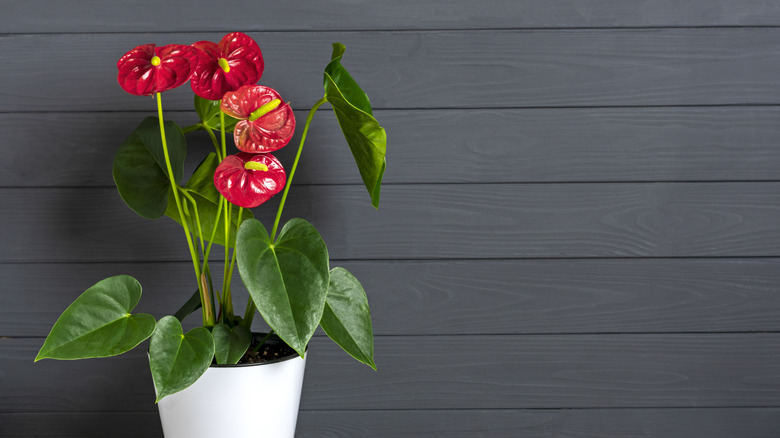
You might know them by the name flamingo lily, or you may just recognize them by their bright, circular-shaped flowers, which vary in color from red to purple to white. The flamingo flower (Anthurium) can blossom nearly all year round indoors, as long as you provide it with lots of well-draining soil and bright, indirect light. Since this plant prefers a humid environment, you can add a water tray underneath the plant. The soil should be kept consistently moist. Note that these plants are toxic to humans and animals if ingested.
Poinsettia
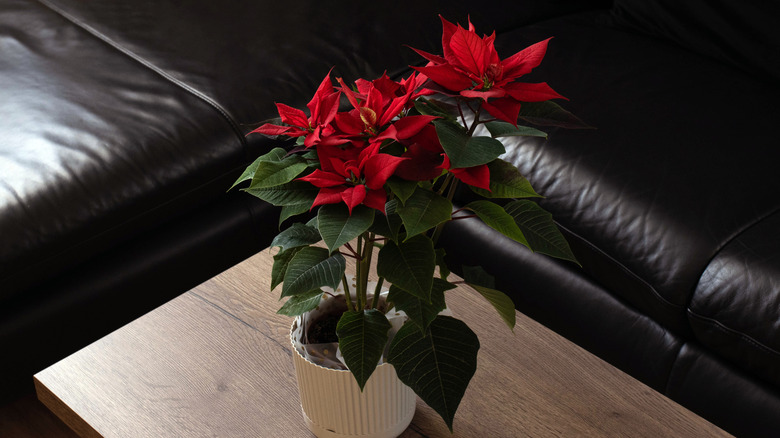
You may associate poinsettias (Euphorbia pulcherrima) with the holidays, but this vibrant plant can actually thrive throughout the year as long as it receives the proper care. Instead of tossing your poinsettias after the holidays, you can continue to see stunning green foliage for every season. When indoors, these plants should be kept in bright daylight with moist soil. During the fall equinox, keep them in total darkness for 16 hours and bright light for eight hours a day. Once Thanksgiving comes around, you can bring them back out, and they should have their signature red bracts again by Christmas.
Wax plant
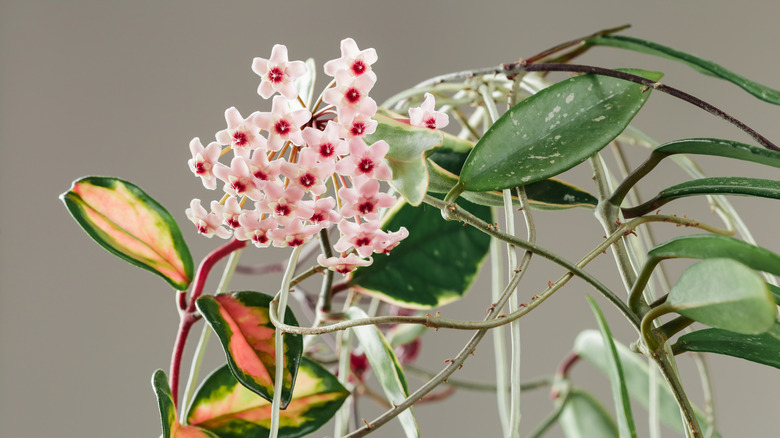
There are over 200 types of hoyas, and one of the most popular species is the wax plant (Hoya carnosa). This waxy hoya species produces beautifully colored, star-shaped flowers that grow in a cluster of pink or white. They also smell incredible. While their blooms can last for up to few weeks, the specific blooming time can vary and usually takes place in the spring, summer, or fall. Though they are not true succulents, hoyas are similar in that they are low-maintenance and do not require frequent watering. Keep them in partial shade with well-draining soil.
Chinese foxglove
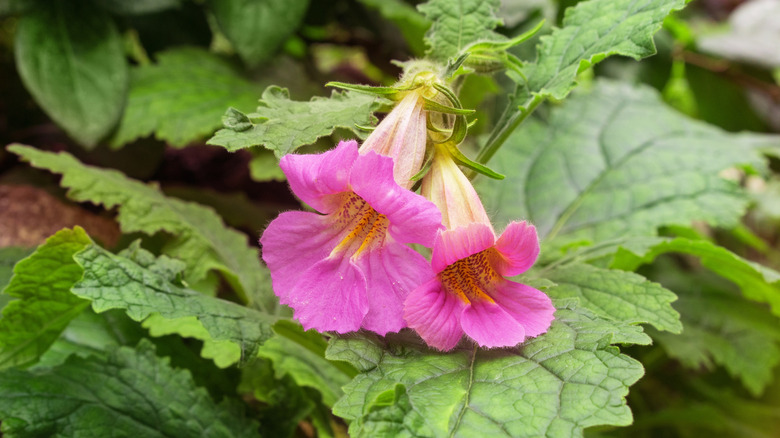
Bring a tall, colorful houseplant into your space with the Chinese foxglove (Rehmannia elata). This herbaceous perennial is native to China and can grow up to 4 feet tall, producing large, bell-shaped, downward-facing pink flowers with bright yellow "throats." Ideally, these houseplants should be kept in areas of your home that receive full sun or partial shade and housed in well-draining, moist soil. As for pH, this plant is not picky, but neutral soil is best.
Cape primrose
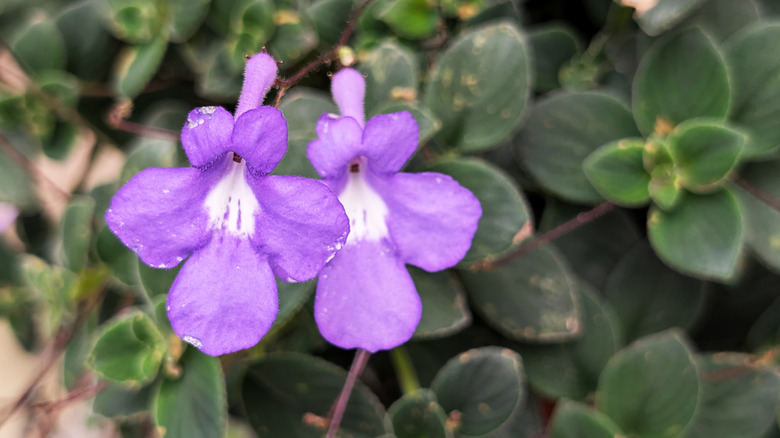
If you want another houseplant that can flower all year, look no further than the cape primrose (Streptocarpus saxorum). This African violet relative is a herbaceous perennial that grows up to 8 inches tall. Producing fuzzy, bright purple flowers, the cape primrose is low-maintenance when it comes to light, as it can thrive without bright sun. It is known as a popular hanging plant. Keep its soil moist, but avoid overwatering the cape primrose as it is susceptible to root rot.
Zebra plant
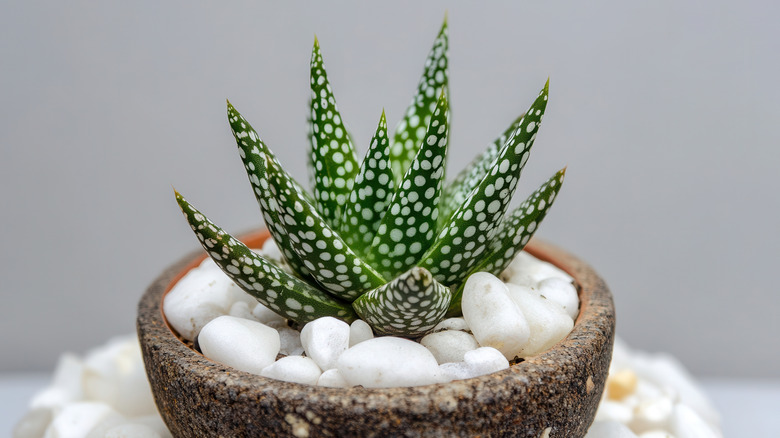
Whether you have a smaller space or you prefer a more compact plant for your decor, the zebra plant (Haworthiopsis fasciata) is a tiny succulent that can add a delightful pattern to your space. Appropriately named due to its white stripes and spots, the zebra plant requires infrequent watering but plenty of bright, indirect light in order to thrive. Since this plant is very vulnerable to root rot, make sure the top inch of soil is dry before adding more water. If the leaf tips turn brown, the plant may be getting too much light and need to be relocated.
Croton
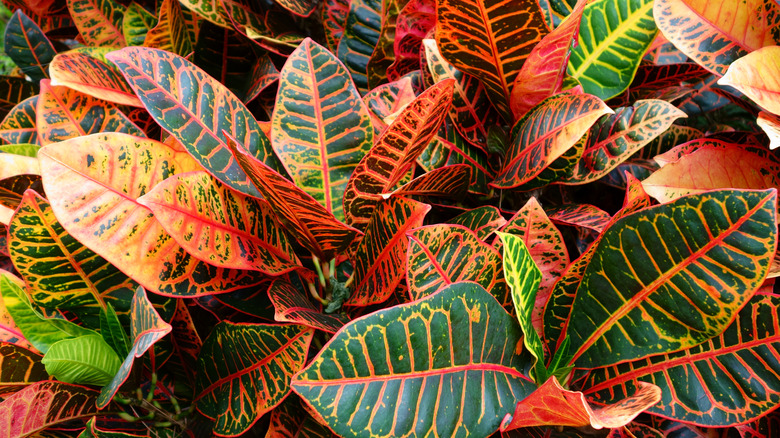
The leaves of a croton (Codiaeum variegatum) plant are something out of this world. Striped with colors like red, purple, or orange, this popular houseplant can add gorgeous color without needing much attention. The leaves vary in shape and size, from ovals to puzzle-piece-like forms. While you may have seen croton planted outside as a small shrub, it can also thrive indoors with the correct care, which includes high humidity and bright, indirect light. Make sure to keep a croton's soil moist to ensure its leaves stay healthy and colorful.
Purple shamrock
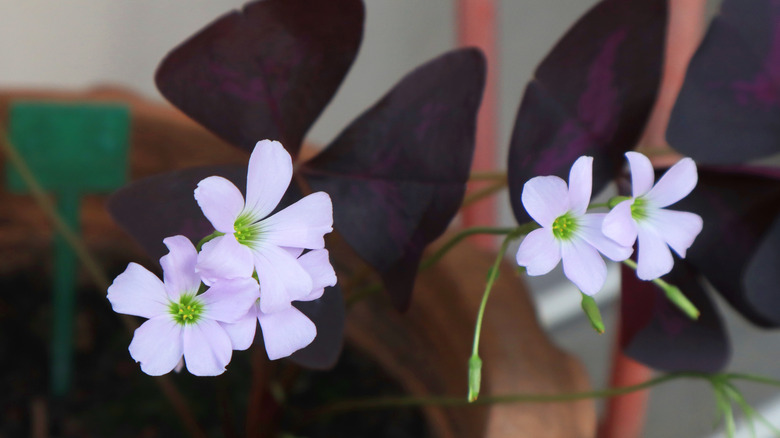
If you often forget to water your houseplants, then you may want to opt for a plant like the purple shamrock (Oxalis triangularis). Not only is it easy to care for, but it looks like magic. This striking plant, also called the love plant or false shamrock, produces pink and white flowers as well as large purple shamrock-shaped leaves. It only needs to be watered a few times a month, making it an excellent choice for someone with a busy schedule. Make sure your purple shamrock plant receives partial shade to full sun and has well-draining soil.
Flaming Katy
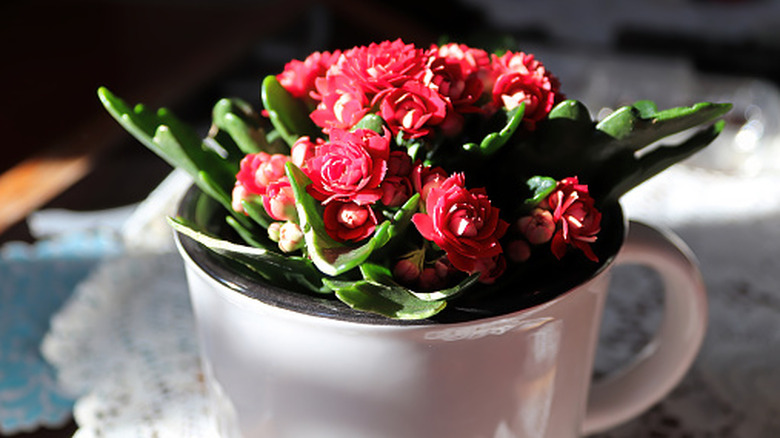
Flaming Katy (Kalanchoe blossfeldiana), also known as florist kalanchoe, can bring a burst of fiery red to your home. If you take proper care of this star-shaped succulent, you can see it bloom every few months. At maximum, this plant grows around 18 inches tall, making it an excellent houseplant for a windowsill or table centerpiece. A flaming Katy does best in bright, indirect light or partial shade, and, thanks to its drought tolerance, it can withstand irregular watering. Note that this plant is toxic to humans and animals if ingested.