

What To Do If You Find Orange Gashes In Your Tree Bark
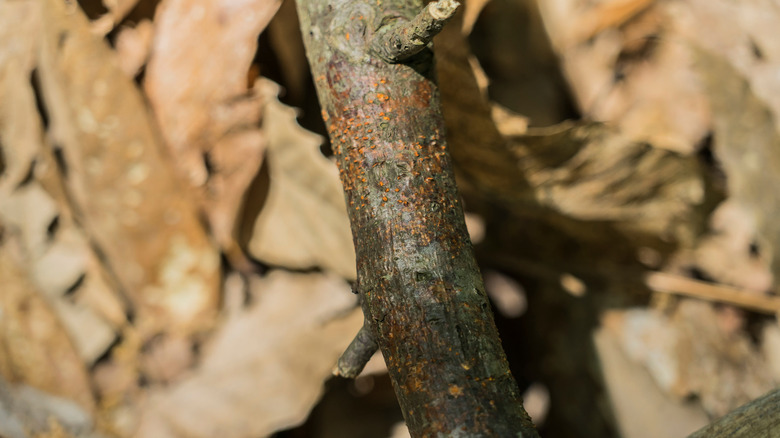
Spotting strange orange gashes or patches on your tree's bark may be alarming. The bark may appear cracked, sunken, and you may also notice damaged tissue on stems and branches. These markings may point to chestnut blight, a destructive fungal disease that primarily affects chestnut trees. While the disease is mostly linked to American chestnut trees (Castanea dentata), which are one of the most beneficial trees for your yard, it can affect some other related species in the beech family. Confirming whether the disease is chestnut blight and taking steps to manage or remove infected trees is your best course of action.
Chestnut blight comes from a fungus called Cryphonectria parasitica. It originated in Asia and spread to the United States in the 1900s, killing billions of chestnut trees. The damage primarily affected American chestnut trees. European chestnuts (Castanea sativa) and Chinese chestnuts (Castanea mollissima) have better immunity to blight. The fungus typically enters through wounds in the tree's bark. Minor damage to your trees that happens when you're using lawn equipment or pruning can create entry points.
Once it is inside, the fungus grows beneath the bark and attacks the cambium layer, which is responsible for transporting nutrients and water through the tree. When the infection develops, orange or reddish-orange cankers may appear on the tree's bark. The spores can spread through the weather, insects, birds, pruning, and lawn equipment. An ongoing challenge with this disease is that it can grow on trees for long periods without showing any signs. Moist conditions encourage fungal activity, so more humid climates may experience signs of blight.
Steps to take when spotting chestnut blight
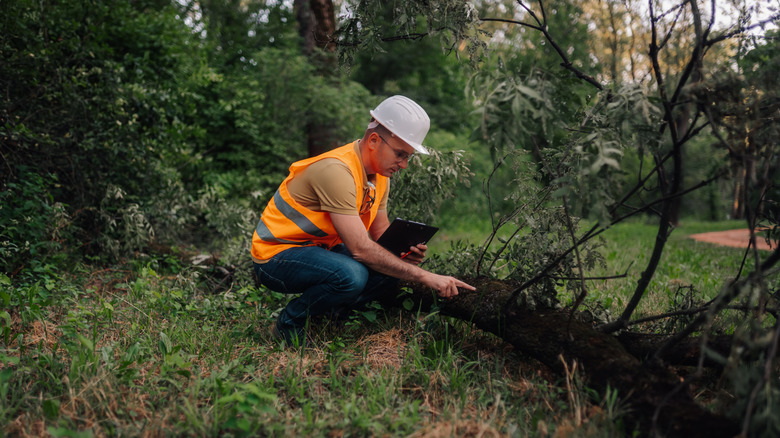
If you believe that your tree has chestnut blight, you must take steps to easily identify the diseased tree. Several tree diseases and injuries could resemble the damage on your bark. Take pictures, and mark the tree before leaving it. Next, it's helpful to contact a certified arborist, local extension office, or chestnut conservation organization to inspect the tree. They may recommend laboratory testing to determine if the fungus is present. Once the disease is confirmed, treatment options are fairly limited. There is no known cure for chestnut blight. In many cases, infected trees are removed to reduce any hazards and help limit the spread of the disease.
Reporting infected trees to local forestry officials or chestnut conservation organizations may help ongoing restoration efforts. There are some treatment methods they may use that can help to slow the disease in certain situations. Hypovirulence treatment uses weakened strains of the fungus with special viruses to reduce damage. Another method is called mudpacking. It involves applying moist soil compresses to the cankers to introduce competing microorganisms. In some cases, tree professionals may use annual chemical treatments to help manage the disease
Taking good care of nearby trees should also be a priority. It can reduce stress and possibly improve the odds of survival. Prune damaged branches carefully during the winter, and sanitize your pruning tools. Removing the infected branches or trees can help slow the spread, but it's generally not recommended to replace them with the same species. Eliminating infected trees may not fully stop the fungus if nearby trees are infected but not yet showing symptoms.