

How Often Do I Need To Replace The Water In A Humidifier?
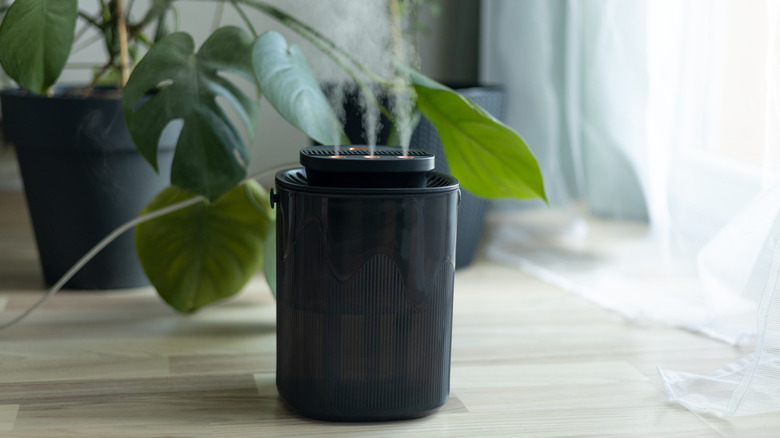
A humidifier is designed to make indoor air more breathable and comfortable, especially during dry weather days. But for it to do that, regular maintenance is necessary. Even if you find the perfect spot for your humidifier and know how to use a humidifier to help keep your home warm, you won't be able to enjoy its benefits without giving it the care it needs. One of the most important maintenance tasks to follow is replacing the water inside its tank. While leaving tank water sitting for a few days may seem harmless, stagnant water can actually spell major problems for both the device and the air you breathe. As a general rule, the water should be changed daily to prevent stagnation, which can lead to issues like bad smell, mineral buildup, and microbial growth.
One of the clearest signs that a humidifier's water needs replacing is a bad odor. If the water has been sitting for too long, it can start to smell stale, musty, or just downright unpleasant. Daily water changes prevent the tank from becoming a breeding ground for bacteria and mold, which causes the pungent smell. Other telltale signs that it's time for a water replacement are unusual noises, a drop in output, and the appearance of white dust from mineral deposits in the water on surrounding surfaces.
How to properly change humidifier water
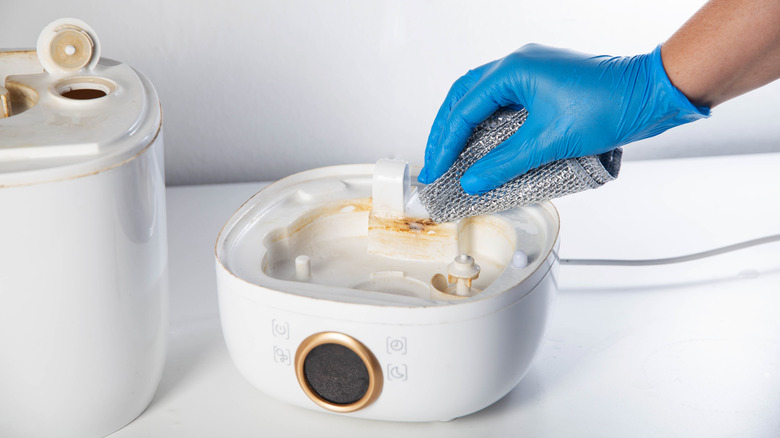
Changing humidifier water isn't as simple as pouring out the old water from the tank and adding new water. First, unplug the device before handling it for safety. If disassembly is needed, consult the user manual. Next, empty the tank and then wipe all surfaces dry before refilling it. This step is very important as drying the interior helps reduce the chances of microbial growth. Bacteria and mold thrive in damp, stagnant environments, so any residual water that you miss can be a breeding ground for these microorganisms.
The replacement water you use also makes a big difference. The recommended choice is water with low mineral content, since minerals can cause scale buildup, which can clog the system or disperse into the air and land on surrounding surfaces. Distilled water is the best option, while water purified through reverse osmosis or deionization is a close second. Basically, water that has gone through a demineralization process to reduce minerals is recommended for this purpose, considering tap water and other bottled waters may have higher mineral content.
Finally, don't forget to deep-clean your humidifier every three days by removing the tank and scrubbing away any deposits or film that may have formed inside. Use a white vinegar solution comprising a 1:1 ratio of white vinegar and tap water or a 3% hydrogen peroxide solution to give your humidifier the clean of a lifetime. Afterward, rinse thoroughly with several changes of tap water before drying and refilling the tank.