

Skip The Hostas: There's Another Shade Plant To Add Color To Flower Beds
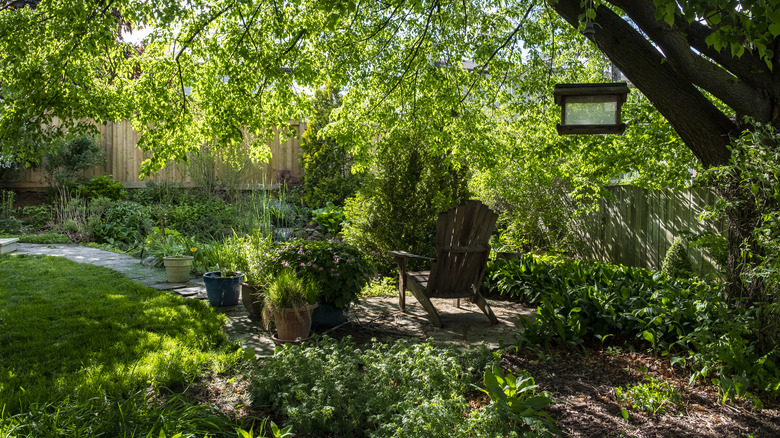
Shade gardens can seem tricky to design. You need plants that don't just tolerate less sunlight and varying moisture (try competing with a massive tree for water), but flourish in these conditions. It's no wonder everyone flocks to the hostas at the nursery — they're classic, reliable, and thrive in the shadows. Aside from an occasional battle of the slugs, you can pretty much always count on them to fill beds with show-stopping foliage and even the occasional flowers. But they aren't the only plants that were made for the shade.
Enter the rosy maidenhair fern (Adiantum hispidulum). That's right — this high-maintenance houseplant might just be the equivalent to an outdoor cat forced to live indoors. If you let it outside, it might surprise you. It makes up for its lack of hosta heart-shaped leaves and bold variegation, instead covering the ground with colorful pink and green foliage. There are many advantages of this stunning plant, and it's not hard to help it thrive.
How rosy maidenhair ferns can benefit your shade garden
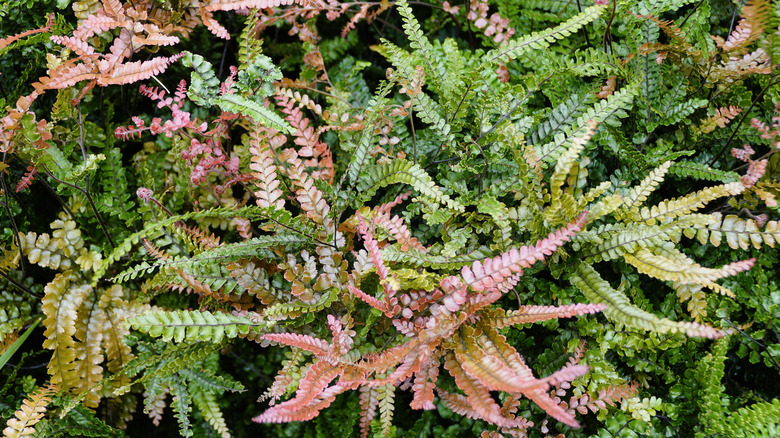
The rosy maidenhair fern doesn't flower — but in truth, it doesn't need to. The whimsical fronds — a mix of rose pink and rich green hues — add all the interest you need. New fronds appear pink in the spring before turning green. Even more captivating is the fan-like shape of the fronds, each with a slick, shiny appearance that steals the show in a sea of forest greenery or when set against a backdrop of rain-moistened rocks. Although it can hold its own, it can also be used to complement coral bells, hostas, and other shade-loving plants.
These are ferns that make the darkest gardens come alive thanks to their ability to tolerate full shade. Since each plant can grow to approximately a foot tall and more than a foot wide, they make excellent ground covers — helping to suppress weeds in the process. Rosy maidenhair ferns are even deer-resistant, so there's one less pest you have to keep your eyes on.
What to know about growing rosy maidenhair ferns
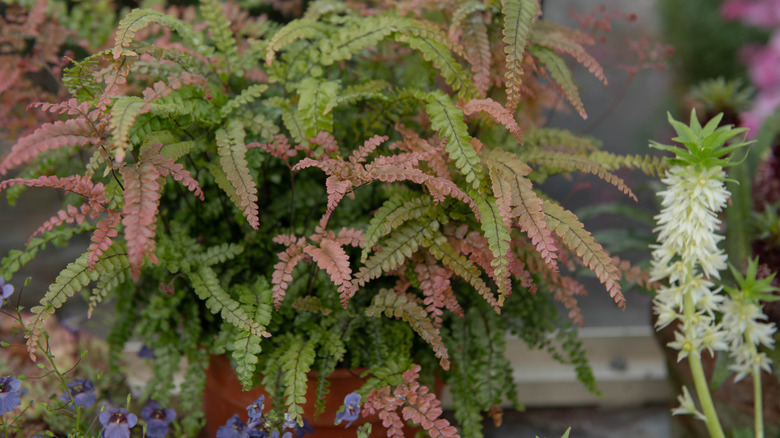
Before you incorporate them, make sure you have the right growing conditions to avoid killing your maidenhair ferns. They need full-to-part shade environments since direct sunlight can damage the fronds. They're ideal soil conditions are loamy, moist, nutrient-rich, and a bit acidic. This combination makes it easier for them to intake micronutrients and keeps the roots moist but without the potential for rot. Like other ferns, rosy maidenhairs love humidity. This is because their native habitat spans subtropical regions in places like Australia and parts of Asia.
Ultimately, your climate determines if the rosy maidenhair fern is considered an annual or a perennial for your area, meaning whether they can survive your winters, or if you need to bring them inside or replant them each year. Start by comparing which USDA growing zone you're in to the hardiness zones for these ferns. For reference, they're considered perennials in zones 8 through 10. This means that they'll be dormant in the winter but come back each spring. These plants can stay lush all year when planted in gardens in southern-most states, where they experience mild or non-existent cold winters.