

Not Ferns: There's A Shade-Loving Ground Cover To Fill Bare Yard Spots
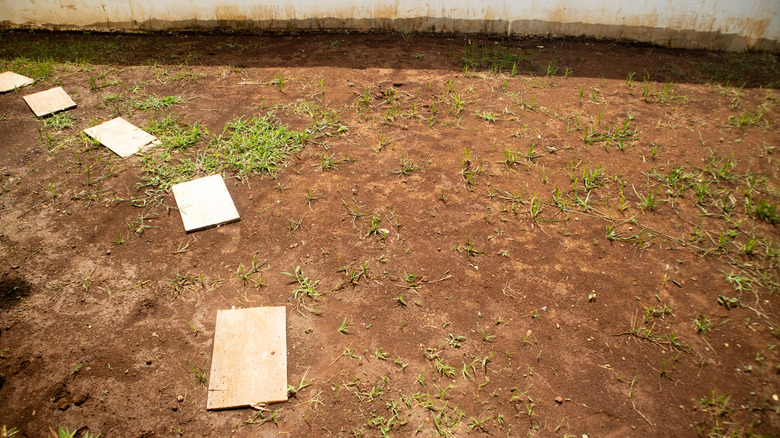
While it's technically just fine to only have bare soil around the base of your yard's large trees, it can look a bit dull. However, if you want to fill in those areas with some shade-loving plants, it can be confusing and overwhelming to find good options. Without the right plants, those sun-starved areas underneath trees (and especially along north-facing fence lines) quickly become barren dirt patches or a hotspot for weeds. And while ferns are a classic go-to for dimmer areas, some species can take quite a while to spread out enough to cover bare ground. Instead, why not go with a Hosta fortunei (Hosta 'Fortunei Aureomarginata')? This hosta variety grows striking leaves and flowers.
This shade-loving perennial is a powerhouse for dim landscape zones, flourishing in USDA Hardiness Zones 3 through 9. It brings lush, somewhat heart-shaped leaves and tall flowers that can reach nearly 3 feet tall, breathing a little life into the drab corners of your yard. What makes Hosta fortunei particularly great for ground cover is how wide it can spread. A single mature Hosta fortunei can easily stretch up to 2 feet, easily gobbling up empty space in your garden beds. And with its eye-catching variegated foliage (often with darker green centers, edged in yellow-ish goldens), this hosta variety provides great visual texture and a hard-to-resist boost of color. Hosta fortunei is a solid choice all-around, thanks to its love of shade, its wide size, and its beauty. Plus, it's one of many plants perfect for an allergy-friendly garden.
How to plant and maintain a Hosta fortunei ground cover
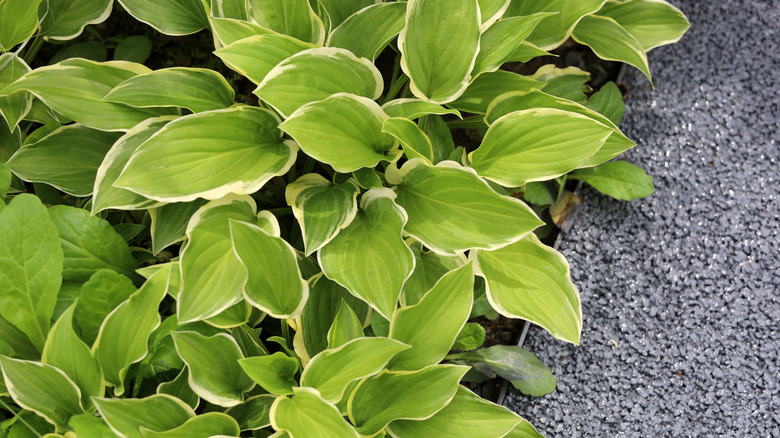
Unsurprisingly, transforming your blank shaded spaces into a magazine-worthy sea of lively, colorful foliage does require some preparation, starting from the ground up. Hosta fortunei are generally easy to grow, but there are some specific mistakes to avoid when growing hostas. They need well-draining soil to be happy, and they also like their soil to be moist, so the soil you plant them in has to be able to strike that balance. If your soil consists of a lot of clay, for example, you will need to amend it with some compost to help it drain better.
As you're getting ready to plant, make sure you also space your Hosta fortunei plants out roughly 1½ to 2 feet apart. This'll help you get that continuous ground cover effect you're looking for (and block the sun below so no weeds can grow in). While your garden bed still might look a bit sparse at first, this strategic spacing gives the plants plenty of room to unfurl comfortably over time. It also helps you make sure there's just enough potential overlap.
Once planted, give your Hosta fortunei a deep watering and add a layer of shredded mulch around each base; this helps the soil retain some moisture. They'll need a thorough watering twice a week in their first month, then just a weekly watering during summer. You can also add fertilizer once a month. With a minimal amount of effort on your part, you can bury those boring bare spots in your yard beneath a gorgeous, leafy canopy.