

16 Heat-Tolerant Perennials To Plant In June And July For Blooms Into Fall
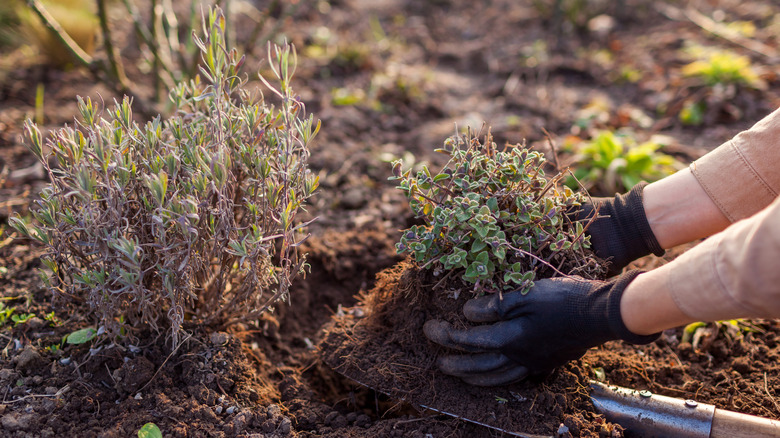
When it comes to planting perennials, the common advice is to put them into the ground either in early spring, as the ground begins thawing, or in fall so they'll have plenty of time to develop a robust root system. But because life can be busy or shipping companies sometimes delay plant deliveries, you may not always succeed in this endeavor.
Luckily, June and July are just as good months to add new plants, provided you're prepared to put in the extra effort – namely watering often enough to compensate for heat and increased evaporation. In fact, if they're heat-tolerant, like tall tickseed, rose verbena, false sunflower, sweet coneflower, Saucy Red salvia, or blanket flowers, you're more likely to get them blooming their heads off all season. Growing such plants also safeguards against a sad and ratty-looking summer garden, as they can usually withstand the high heat without wilting, curling up, or bolting. Just be sure to plant when there is no raging drought. Keep in mind that the following list isn't exhaustive by any means. Typically, specimens well-adapted to dry, sunny areas would perform well if grown in these months.
Tall tickseed
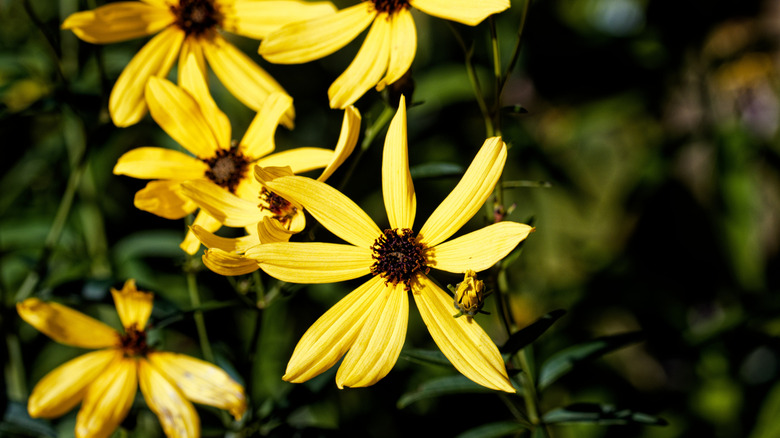
If you're hoping to add height to your garden and attract birds with tall flowers that can handle intense heat, look no further than tall tickseed (Anacis tripteris syn. Coreopsis tripteris). Native to parts of the central and southern United States, tall tickseed bears strong, sturdy stems — sometimes reaching 10 feet high — topped with brown-disc, yellow-rayed flowers from midsummer into fall. Deer tend to avoid its licorice-scented flowers and leaves, making it a strong choice for borders or mass plantings in USDA hardiness zones 3 through 8. Watch for volunteer seedlings if the soil remains moist.
False sunflower
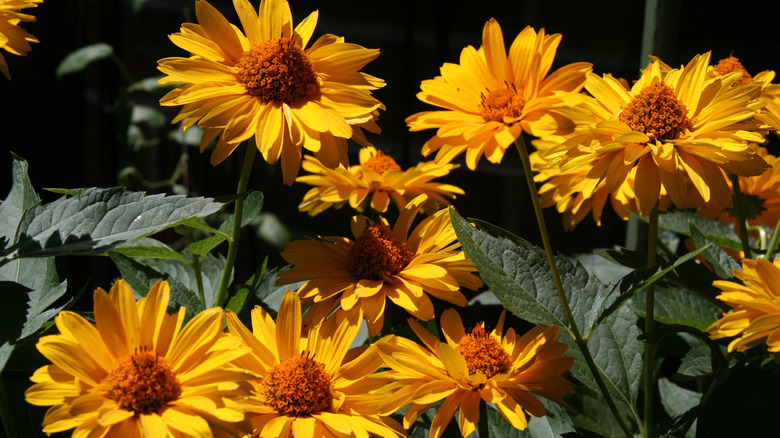
Also known as oxeye sunflower, false sunflower (Heliopsis helianthoides) differs from true sunflowers in that its flower heads remain upright rather than drooping sideways and retain their petals longer into the blooming season. Planting in June means you can enjoy a bright display for nearly eight weeks, extending into early fall. As it is native to the U.S., diverse kinds of skippers, butterflies, and insects are already familiar with it and may visit your yard for it. Heat-tolerant cultivars include 'Tuscan Gold,' 'Bit of Honey,' and 'Athena Gold.' Although hardiness varies by cultivar, most grow as perennials in USDA hardiness zones 3 through 9.
Rose verbena
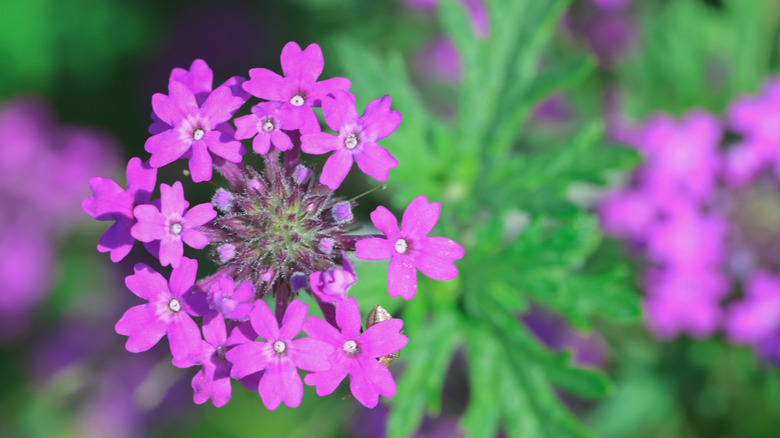
Hardy in zones 6 through 10, rose verbena (Verbena canadensis) is a fast-growing, long-blooming native plant that will brighten your garden with blooms and butterflies. Depending on the region, it may already produce masses of purplish-pink blooms by April. But since it continues flushing through September, planting in June and July isn't too late for that pop of color. While it can handle heat, repeated exposure to over 90 degrees Fahrenheit may slow performance. Fortunately, it's quick to recover when conditions become more favorable. Because it tends to be short-lived, consider taking cuttings every few years to propagate new plants.
Sweet coneflower
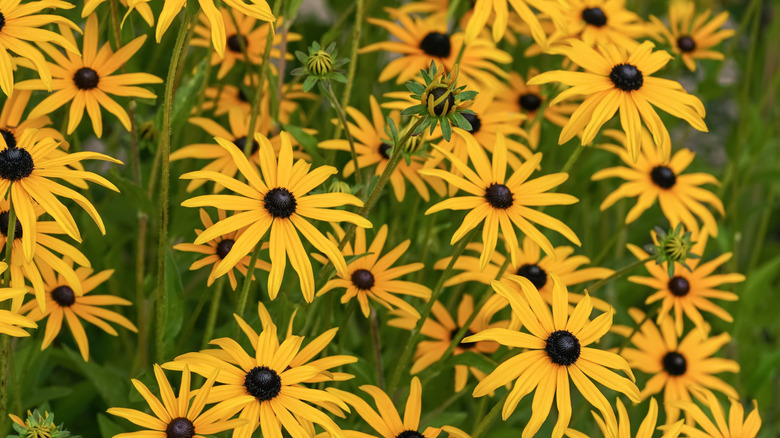
Have an exposed patch of clay or infertile soil? Consider growing sweet coneflower (Rudbeckia subtomentosa) in USDA hardiness zones 4 through 8. Apart from tolerating heat and drought, this U.S. native dissuades deer from venturing closer thanks to anise-smelling foliage. In full sun, it produces tall, sturdy stems that add vertical texture while attracting pollinators with aromatic, daisy-like yellow flowers and a pop of color. Keep deadheading to extend the season into October. For a more compact option, consider the cultivar 'Little Henry.' Be sure to space the plants right, or they may contract powdery mildew due to poor airflow.
Sulphur buckwheat
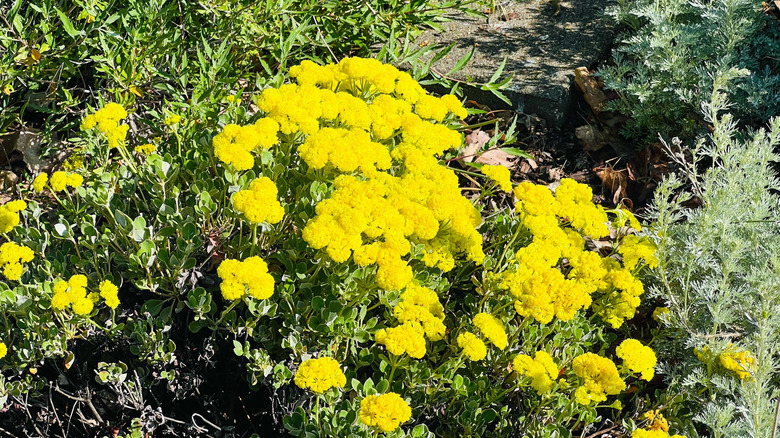
For a plant that originates in dry, rocky areas in the west U.S., it's no surprise that sulphur buckwheat (Eriogonum umbellatum) can tolerate a fair amount of heat. What makes it even better is its ability to thrive on little water; watering three times a month is often more than enough during the hottest part of summer. Planted in a fast-draining soil, it will break out pretty, red-tinged buds in June, which over the season running into fall, reveal yellow flowers, luring in about 37 species of moths and butterflies. You may grow it perennially in USDA hardiness zones 4 to 8.
Hybrid blanket flowers
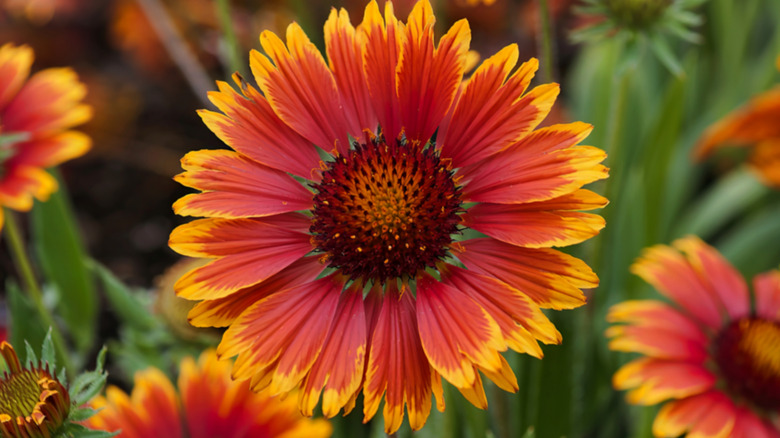
Hybrid blanket flowers (Gaillardia x grandiflora) may not live very long, but they compensate for that through their long blooming season, strong appeal to bees, and fire resistance. Indeed, they're so tolerant of heat that they can withstand prolonged sun exposure without much trouble. Look for hardy cultivars like 'Arizona Sun' that bloom from summer through fall and also tolerate drought. While deadheading isn't a prerequisite for reblooming, you may have to trim the foliage if the plant slows down for a nice fall flush. They can successfully overwinter in USDA hardiness zones 3 through 10.
'Blue Fortune' anise hyssop
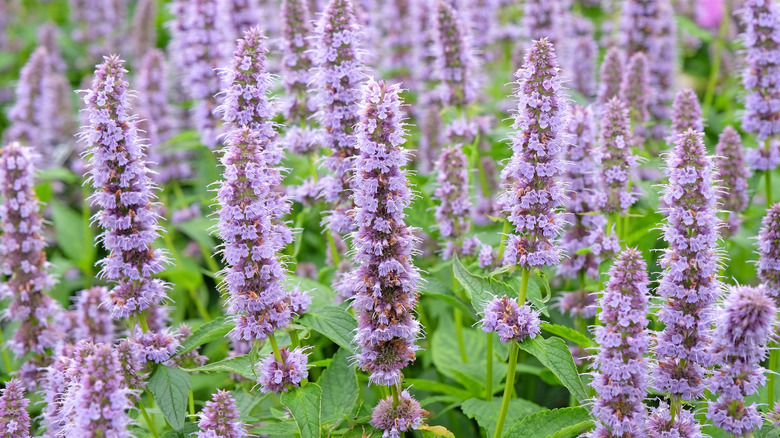
A long bloomer, 'Blue Fortune' anise hyssop (Agastache 'Blue Fortune') is a hybrid variety that weathers the heat and humidity of the South like a charm after settling in. It also remains perennial in USDA hardiness zones 5 through 9. From July through September, its minty-smelling foliage is covered in freely-flowering streams of lavender-blue blooms and beautiful butterflies that enjoy their presence. Be mindful of drainage, since the roots can rot easily; potting them up or growing them in sloped or raised beds can be helpful. Its seeds are sterile, so the plant is unlikely to spread aggressively through the garden.
'Mellow Yellows' coneflower
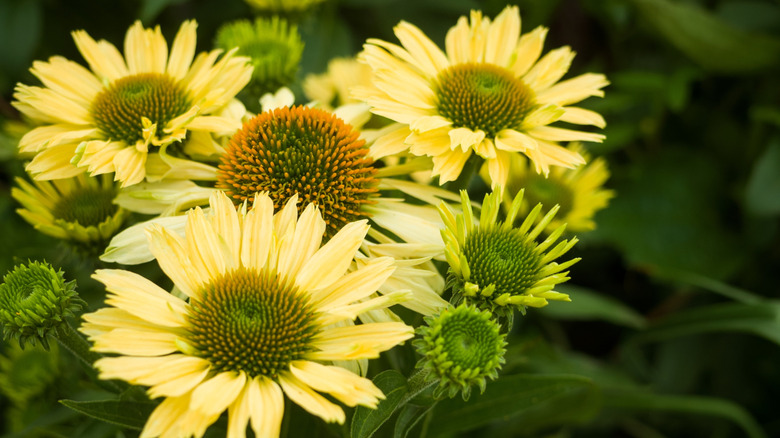
'Mellow Yellows' (Echinacea purpurea 'Mellow Yellows') is a heat-tolerant, colorful coneflower you can plant to attract pollinators and birds. Breaking away from the traditional pink-purple palette, it produces a mango-hued bud, which successively fades into shades of canary and milky yellows. Thus, a lone plant creates a mini-vignette of sorts, which you may enjoy through mid-fall. Although seeds germinate rapidly and may flower within the first year, you'll likely need established plants for an immediate display going into July. It fares better against leafspot diseases and is hardy in USDA hardiness zones 4 through 8.
Saucy Red salvia
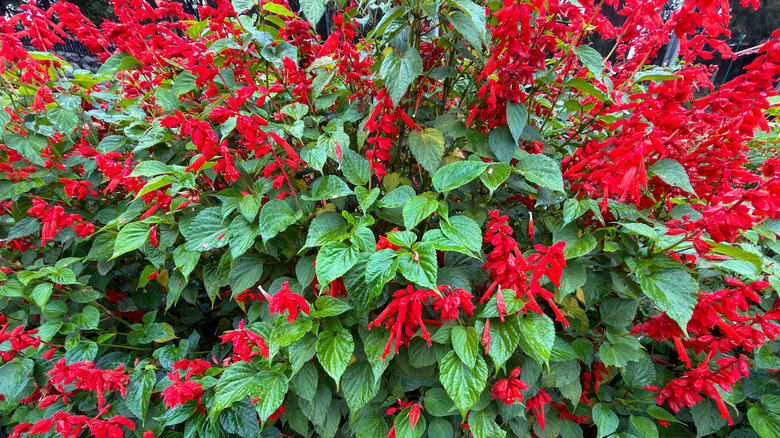
Although June plantings may be considered late since Saucy Red salvia (Salvia splendens) begins blooming in April, it can still be worth planting because its vibrant display may last through November, depending on the growing season and local frost conditions. Keep removing the spent flower stalks, and hummingbirds may continue visiting for the nectar. Saucy Red is perennially hardy only in zones 9b to 10b, but it thrives in full sun or lightly shaded conditions. It can even tolerate clay soils under the right conditions. Be sure to water deeply for a successful establishment and keep the beds mulched.
Sweet Romance lavender
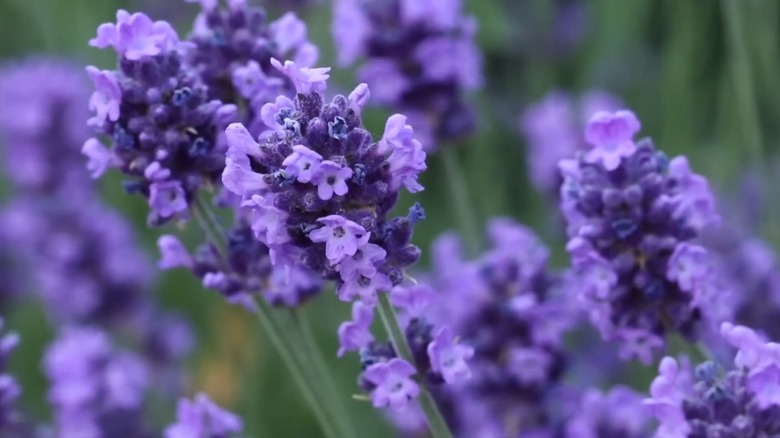
Sweet Romance (Lavandula angustifolia 'Kerlavangem') does what most lavender plants do, but with earlier blooms. It begins blooming in early summer, producing sprays of sweet-smelling bluish-violet flowers along its stems that contrast beautifully with its silvery-green foliage into fall. You can leave the flowers for butterflies and bees or snip a few for your indoor arrangements, where they look gorgeous fresh or dried. Plant this drought- and heat-tolerant perennial in a location that receives at least six hours of direct sunlight daily. Although Proven Winners lists its hardiness range as zones 5 to 9, gardeners have reported trouble overwintering it in colder climates.
'Cat's Meow' catmint
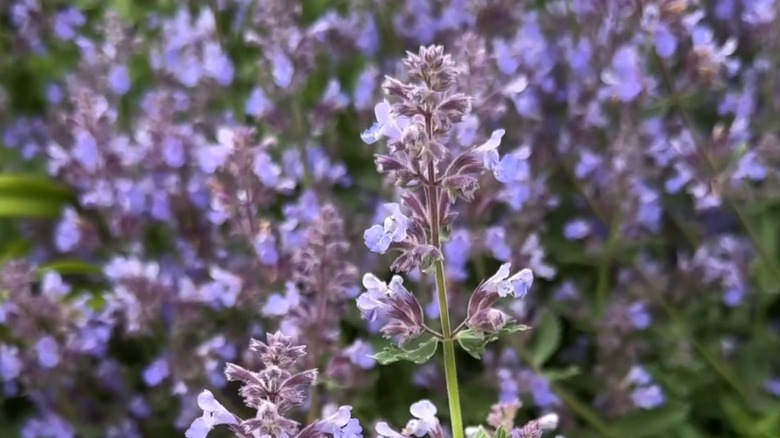
If your only reservation about catmint — aside from your cat's undivided devotion — is its unruly growth habit, you may find some consolation in 'Cat's Meow' (Nepeta x faassenii 'Cat's Meow'). Whether planted in June or July, it maintains a tidy, compact form with sturdy stems and purple blooms that don't require staking or additional support. In USDA hardiness zones 3 through 8, plant it in masses in beds or borders to create a pollinator-friendly display that deer typically avoid. It thrives in full sun and can tolerate dry periods. Consider cutting back foliage after the first flush for reblooms.
'Miss Molly' butterfly bush
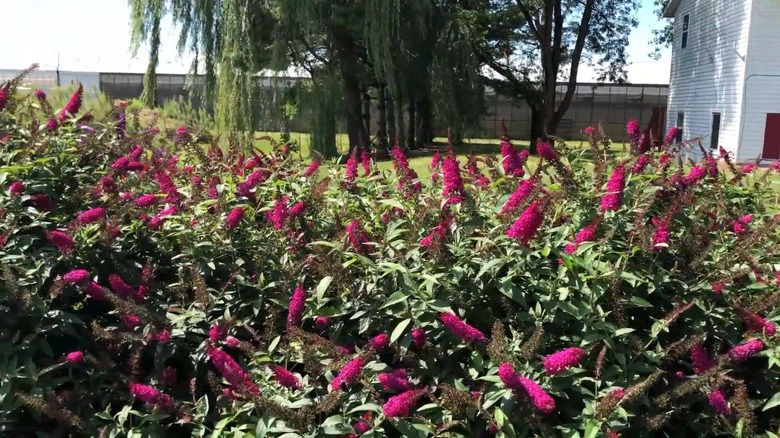
While butterfly bushes are labeled invasive in some U.S. regions, 'Miss Molly' (Buddleja 'Miss Molly') was bred specifically by North Carolina State University to reduce spreading and seed production. For this reason, it's approved for sale in Washington and Oregon, albeit under another name, "summer lilac." Planted in June or July, 'Miss Molly' produces a relentless wave of wine-red flowers until frost, delighting hummingbirds and butterflies. It typically grows to about 5 feet tall and wide, although gardeners in warmer climates have reported larger growth. It tolerates heat, humidity, and drought in zones 5 to 9.
'Table Mountain' iceplant
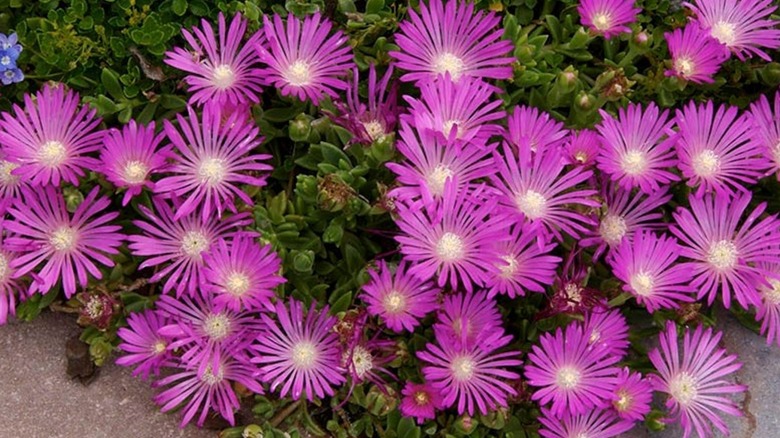
Typically, most hybrid ice plants can tolerate heat and drought even in full-sun conditions. But 'Table Mountain' (Delosperma x 'John Proffitt') takes the cake, as it remains flowerful even when temperatures are climbing over 90 degrees, like in Wisconsin. If planted in June or later, you may still enjoy fuchsia-pink flowers well into autumn. As it only grows about 3 inches high, you may utilize it as a groundcover to keep down pesky weeds or drape over containers. It is hardy in zones 4 through 9, though some foliage may experience winter damage in northern climes.
Hairy alumroot
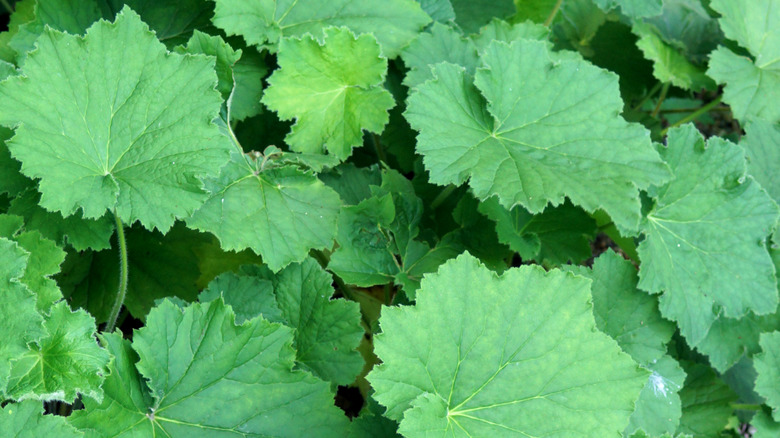
Planting hairy alumroot (Heuchera villosa) in the eastern states, from New York to Georgia, can be an extremely pollinator-friendly practice. That's because rare pollen-specialist bees visit its flowers, which begin blooming in June and can persist through October. Hairy alumroot is considered heat-tolerant in USDA hardiness zones 3 through 8, but it generally performs best in partial shade or woodland settings. Despite its drought tolerance, however, avoid letting the soil go fully dry in the season, or performance will suffer. Group it in border edges or naturalized areas where wildlife activity is common, as many animals tend to avoid the foliage because of its tannins.
'Blue Star' kalimeris
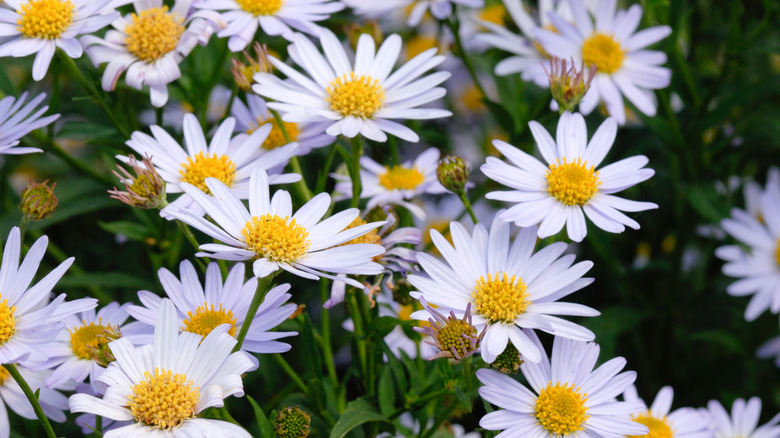
For the amount of color it provides, 'Blue Star' kalimeris (Kalimeris incisa 'Blue Star') is frankly an underused planting. It can handle heat, humidity, and drought, and offer deterrence against rabbits and deer herbivory. Container-grown plantings can be planted at nearly any time of year, though by June and July they're often already in full bloom, producing yellow-centered, lilac-colored flowers that attract a wide range of pollinators. At about 1 foot tall, 'Blue Star' forms a well-behaved, compact mound, which you may mass in sunny borders or use to deck patio or pool planters. Hardiness range covers zones 5 to 9.
'Brilliant' sedum
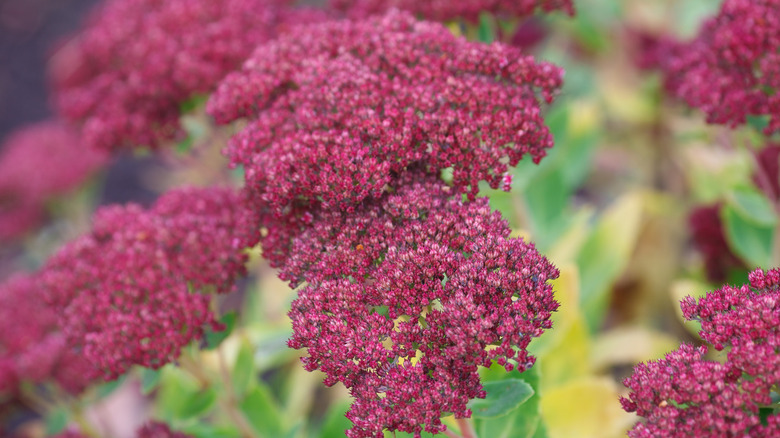
Sedums, or stonecrops, are generally drought- and heat-resistant. However, 'Brilliant' (Hylotelephium spectabile 'Brilliant') stands out for its long blooming period, which, depending on your growing season, may be as long as six months. Its broccoli-like buds unfurl into pink flowers that gradually shift to coppery-red tones in fall. If you aren't cutting them for your floral arrangements, expect visits from hummingbirds, butterflies, and bees. Perennial in USDA hardiness zones 3 through 9, 'Brilliant' performs best in full sun and well-draining soil. Besides being low-maintenance, it also shows resistance to many common diseases.