

What Is The Average Lifespan Of A Garage Door Opener?
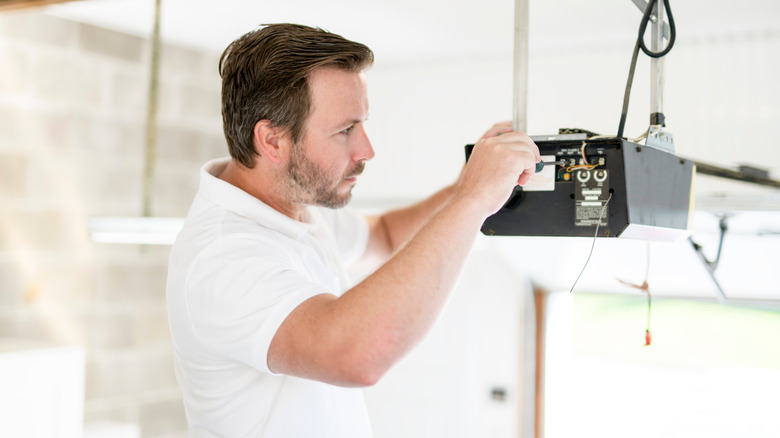
Your garage door is an important entry point in your home, providing extra security and a safe place to park your vehicle so it's protected from the elements. When you're in a hurry to leave for work in the morning, you probably rely on your garage door to open properly and smoothly. There are a number of reasons why your garage may not open, but frequent issues could mean it's time to upgrade your old garage door opener.
The average lifespan of a garage door opener is between 10 and 15 years. There are a few key factors that impact this typical lifespan. For starters, the more you open and close your garage door, the sooner the opener will wear out. Folks who only need to open and close their garage door twice a day (once to leave in the morning and once when returning home in the evening) will probably not need to replace their opener until closer to that 15-year mark. Routine maintenance and upkeep can also extend the life of your garage door opener. Be sure to check the balance of your garage door, routinely inspect the safety sensors, and lubricate any chains or rollers to reduce friction.
Finally, an important factor is the type of opener you have. The three most common types of garage door openers are chain-driven, belt-driven, and screw-driven. Belt-driven openers typically have the longest average lifespan of 15 to 20 years, while screw-driven and chain-driven openers tend to last between 10 and 15 years.
Signs your garage door opener needs to be replaced
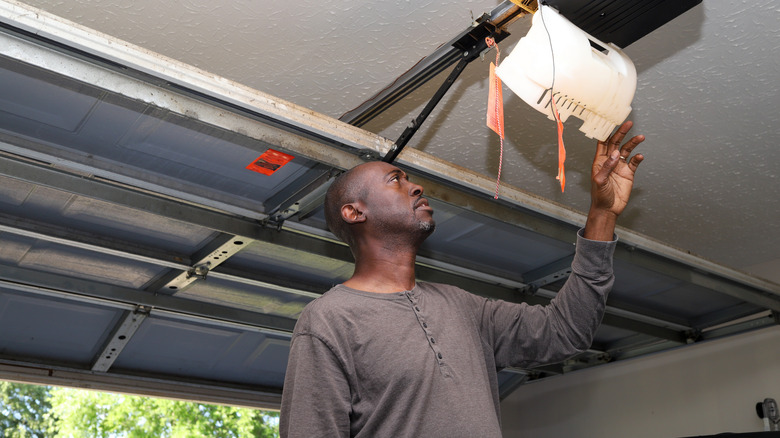
There are a few common garage door opener problems that usually indicate it's time for an upgrade, which can take the guesswork out for homeowners. The most obvious sign is if your garage door begins to malfunction frequently. An occasional malfunction may not be an issue, but consistent problems may mean you need to replace the opener.
You should also take note if your garage door begins to make an excessive amount of noise when it opens or closes. Listen for grinding or squeaking noises that suddenly appear when you use the opener. Another sign of your opener dying is the door making inconsistent, jerky movements. A properly working opener will have the door operating smoothly and shouldn't make a ton of noise.
If you find yourself in a situation where your garage door opener is at the end of its life, you can expect to pay around $330 for a replacement. Chain-driven openers are normally the most affordable, although they can be noisier and require more frequent maintenance to work efficiently. Before buying a replacement, consider the best and worst types of garage door openers based on your budget and how comfortable you are performing the required upkeep.