

Not Coffee Grounds, Not Eggshells: The Kitchen Essential You Should Be Using As Fertilizer
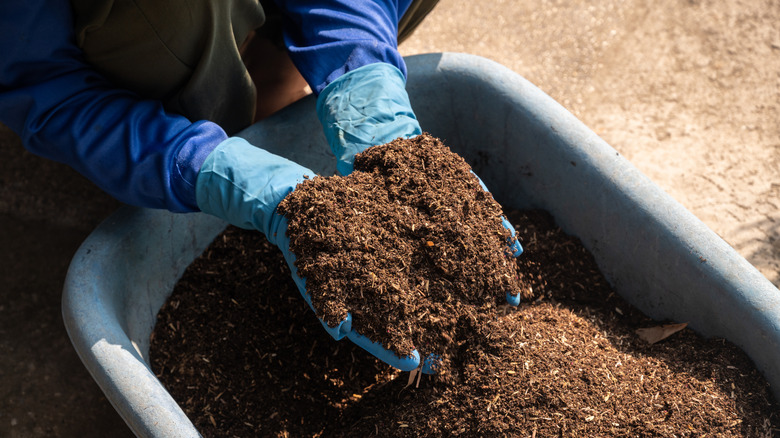
Fertilizer is an important part of a garden, especially if you want your plants to grow big and healthy. However, it's also increasing in cost, and there are natural options you likely already have in your home. For example, one overlooked fertilizer that's a kitchen essential for many people is flour. Sprinkling just a bit into your soil can add vital nitrogen and help with other essential factors for thriving plants.
Of course, flour might not have been your first thought when it comes to fertilization. Things like coffee grounds are more popular, but while they provide a lot of nutrition, they can be quite problematic. Used grounds have antimicrobial properties, meaning they can harm good bacteria in your compost pile. It has also been known to kill off worms. Plus, it's thick and holds moisture a little too well. Eggshells are another common fertilizer, but they take a long time to break down – about a year – and don't provide any nutrients until they fully dissolve. Instead, they're a common ingredient you should start adding to your compost pile.
Flour, though, works great as fertilizer, and you only need a small amount to reap the benefits. With how cheap it is and how little you have to add to your soil, it's a great gardening hack that you likely already own. You don't even have to worry if the flour is expired – you can repurpose it for fertilizer instead of tossing it out.
What makes flour a good fertilizer for your garden beds
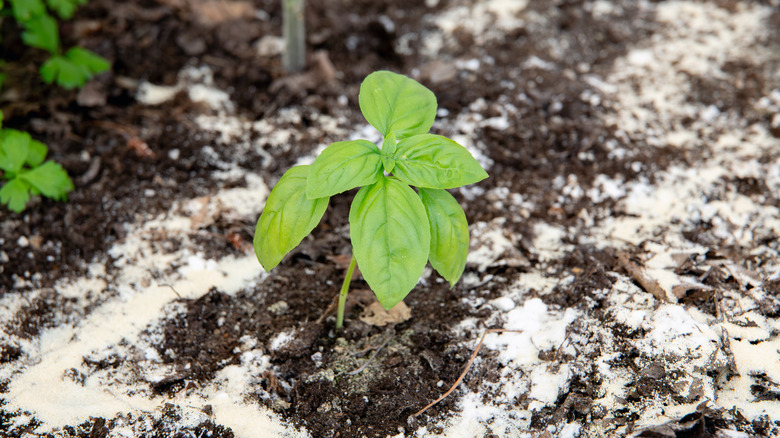
Flour is high in nitrogen, which is what makes it a good choice for a fertilizer in your garden. Not only is it high in this essential element, but it also contains healthy nutrients like magnesium and calcium. Basic all-purpose flour is fine to use, but if you want the greatest impact, then consider using chickpea, brown rice, corn, rye, whole wheat, almond, buckwheat, and coconut flour, all of which tend to offer more nutrients, making for a better fertilizer.
Sprinkling this in and around your gardening beds offers benefits beyond nutrients, too. Flour may not work well to keep garden weeds away, but it may help deal with pests. It has been known to deter insects like beetles and cabbage worms. For example, you can sprinkle flour in your garden to banish aphids for good.
All you need to do is add a little flour to your soil. Mix it in well, and then keep the ground moist for a few days. Afterwards, your beds will have a big boost of nitrogen and a few other nutrients to promote plant growth. If you can, consider getting a soil test, as you can then pick a flour that provides the right amount of nitrogen. For instance, chickpea flour packs a large punch of this nutrient in case your soil is in need of it, while something like rye flour only has half as much nitrogen.
What to know before using any kind of flour as fertilizer
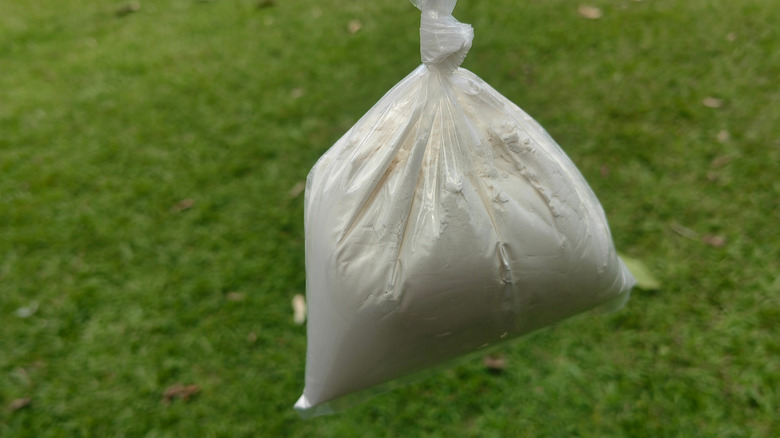
While flour is a useful fertilizer, you still need to be careful with how much you use. You don't just want to dump a whole bag into your compost or use it as the only type of fertilizer in your garden. It's best to use it in small amounts, usually no more than a thin dusting over the top of the soil before you mix it in. Flour soaks up a lot of water, and then gets lumpy as the starches activate (think about bread or pizza dough). If you have too much mixed into your soil, it can inhibit airflow a bit and leave your plants without enough water, since the flour will absorb a ton of it. Additionally, too much flour can attract rodents or other animals, hurting your plants more than helping them.
There is also a slight risk that the gluten in wheat, corn, and soy flours can inhibit the growth of plants. However, depending on what kind you use, this might not be a problem; as long as you keep the amount of flour you add at a time to a minimum, there shouldn't be enough in the soil to stop anything from growing. If you are worried about the gluten's effect on your plants, the best option would be to fertilize the soil a week or so before planting anything. Then, you can let the flour work its magic in moist soil until you're ready to plant.