

Not Citrus: The Kitchen Scrap You Should Never Add To Compost
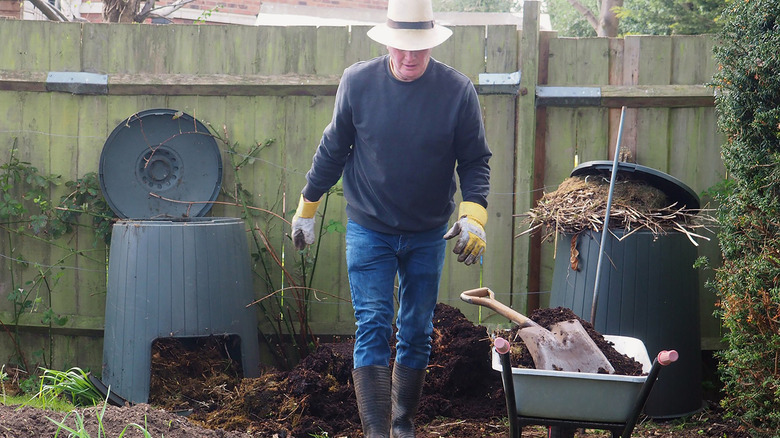
The primary benefit of composting is creating a nutrient-rich soil amendment for free right in your own backyard. Coming in a close second, however, is ensuring useful kitchen scraps and other compostables don't end up in landfills. There, they occupy about 25% of available space and release planet-warming methane. It's rewarding to compost every last bit of your unconsumed food instead of wasting it. Well, not quite every bit — animal products and compost piles don't mix, and that includes dairy products like milk, yogurt, butter, and cheese. If you just started composting, what you should and should not add to your compost might be unclear, and dairy products are on the latter list.
There are several reasons to avoid adding dairy products to your compost pile, especially if you're unsure of the dos and don'ts to starting a compost bin as a beginner. Fresh dairy products, like milk and unaged cheeses, are highly perishable and begin breaking down soon after production, continuing to spoil during storage. They will continue to break down in your fridge. When you add dairy products to a compost pile, the proteins in the foodstuffs break down, the lactose ferments, and the saturated fat may negatively influence compost decomposition. Put simply, adding dairy products to your compost can interfere with the balance of a compost pile and undo some of the progress you've made in building a stable system — in more ways than one.
Why you shouldn't add dairy products to your compost pile
Technically, you can compost dairy products, but it's best left to experienced composters with specialized knowledge and equipment. Oxygen is vital to composting; the reason you turn your compost regularly is to aerate — or oxygenate — it. The animal fat in dairy products can block airflow inside the pile, and rapid lactose fermentation compounds this problem. When combined, these processes can contribute to a shift from a healthy, oxygen-rich, aerobic compost environment toward anaerobic conditions if the pile isn't properly managed. In anaerobic conditions, proteins can break down through putrefaction, producing strong odors that may attract pests, including rodents, flies, and even neighborhood dogs. Plus, anaerobic decomposition takes longer, adding even more time to the composting process.
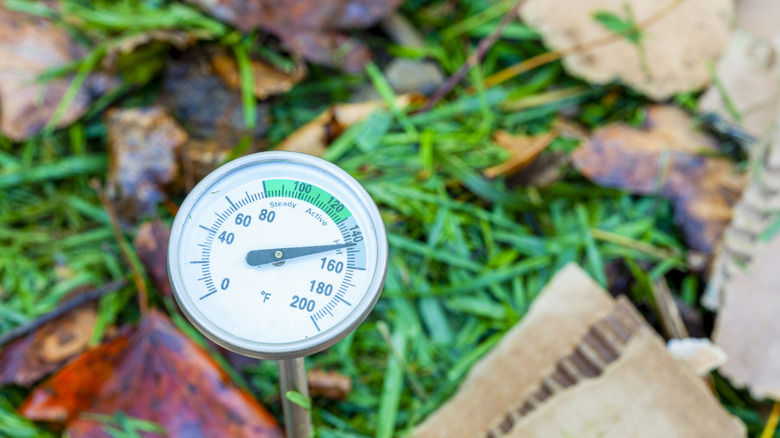
It's also important to understand the not-so-obvious differences in hot vs. cold composting. Adding dairy products to a cold compost — which is what most home gardeners have in their backyard — is a personal and community health hazard. Your pile could become a breeding ground for harmful bacteria like Salmonella and E. coli. Getting your compost pile to at least 135 degrees Fahrenheit internally (the minimum temperature for successful hot composting) and placing dairy products in the hottest part of the pile can combat this issue. If you don't feel confident adding dairy products to your home compost, that's completely understandable and probably a wise fear. Instead, ask your municipal composting facility, community composters, or private composting companies to see if they accept them.