

What's The Average Lifespan Of A Turf Driveway?
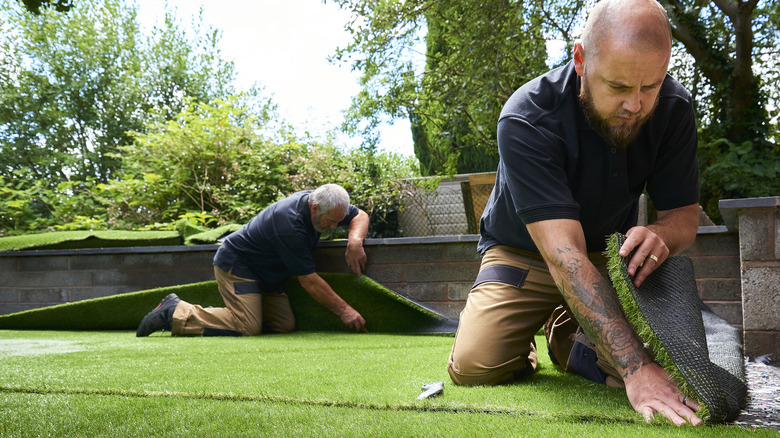
Turf driveways are a popular alternative to concrete surfaces and high-maintenance lawns. They offer a well-manicured appearance and reduce the upkeep of maintaining grass. There are many advantages to using artificial turf in your landscaping, but do turf driveways actually last long enough to make them a good option for your home?
Artificial turf driveways don't have a standard expiration date, per se, but in most parts of the U.S., they last between 10 to 20 years before the turf needs replacing. However, several factors will determine the lifespan. Improper installation, poor drainage, heavy traffic, or extreme weather can speed up turf's breakdown. Turf designed specifically for vehicle use usually performs better than standard landscape turf because the fibers and backing are built to handle more weight and friction. Regions with intense heat or frequent freeze-thaw cycles will see more wear more than milder climates, so using artificial turf could be a huge mistake in areas with more extreme weather.
Pickup trucks, trailers, RVs, and other oversized vehicles, as well as repeated parking in the same spot, flattens the surface faster and can create an eyesore or drainage issues. Water underneath the surface will become uneven or unstable. Repeated pressure in the same tire tracks gradually flattens the turf, especially when drivers turn the wheel while parked. That twisting motion tends to wear down the surface much faster than simply driving straight in and out.
Signs your turf driveway needs replacing and maintenance tips
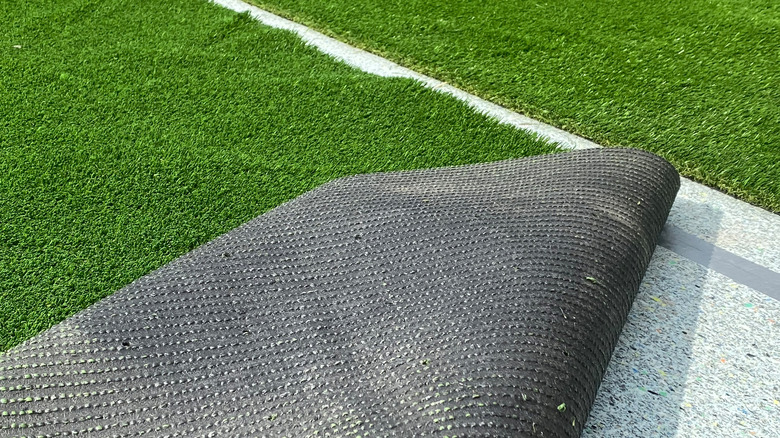
All turf driveways will eventually break down, and some signs will be more obvious than others that it's time for a replacement. Soft spots and drainage issues are more serious structural issues, while cosmetic flaws like fading fibers, areas that stay flattened even after brushing, and visible seams are also of concern. Be on the lookout for pooling more often once the base underneath starts breaking down.
Many homeowners might choose artificial turf because it's a low-maintenance option, but that doesn't make it no maintenance. Like anything inside or outside the home, regular maintenance will help prevent larger issues from developing over time. Some turf systems also use infill materials that may need occasional touch-ups after years of use. If you're patching an area yourself, learn how to lay artificial turf on any soil type.
Simple cleaning habits will help the driveway keep its appearance. Leaves, dirt, and other debris will build up between the fibers over time. Leaf blowers, brooms, or plastic rakes can be used to gently clear the surface without damaging the turf. Regular brushing will prevent the flattened tire-track look that tends to age turf driveways faster.