

Not Bee Balm, Not Columbine: The Shade-Loving Flower Pollinators Can't Resist
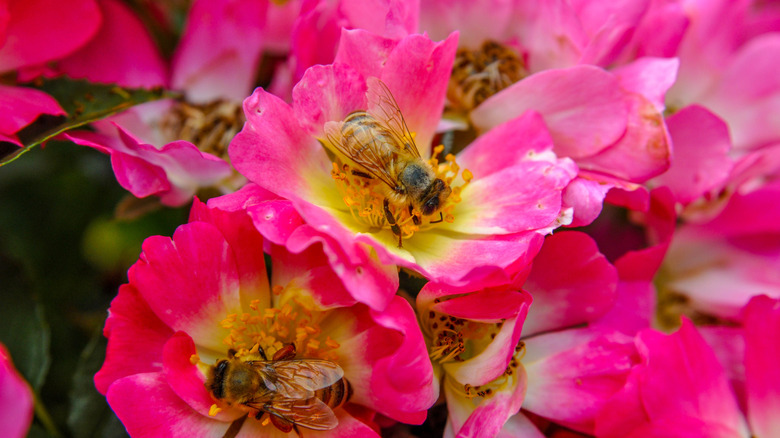
Do you find it a challenge to locate pollinator-attracting beautiful flowers that grow perfectly in shade? Bee balm (Monarda) is great for pollinators but prefers full sun. Columbine (Aquilegia) checks the boxes, but maybe you'd prefer a flowering plant with stunning foliage that stands out in the shade — like Lamium 'Orchid Frost Gold,' which attracts pollinators, especially bees.
'Orchid Frost Gold' is a cultivar of Lamium maculatum, commonly known as dead nettle, spotted dead nettle, or spotted henbit. Lamium 'Orchid Frost Gold' deserves a spot on the list of fast-growing shade plants that will effortlessly fill your garden with color, based on its gold-green and silver leaves — plus, charming, clustered, and long blooming flowers in shades of purple-red, white, or pink that pollinators can't resist.
Like the other varieties of Lamium that make excellent ground cover plants, 'Orchid Frost Gold' is also a great ground cover. Furthermore, it's both deer resistant and heat tolerant. Its super power is vanquishing weeds by forming a mat and blocking out light.
Consider shade-loving Lamium maculatum 'Orchid Frost Gold' to delight pollinators
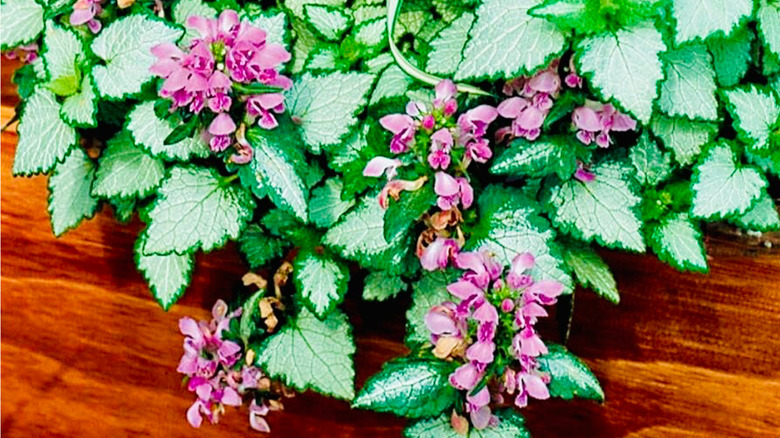
Lamium 'Orchid Frost Gold' is cold-hardy in USDA zones 3 to 8. Transplant nursery pots into well-draining, slightly acidic soil in a shady spot where it won't get a lot of foot traffic. Avoid compacted soil, and add compost to clay soils when planting this cultivar. Strive for evenly moist — but not wet — soil. A shady location will keep water needs low, but the plant could need additional moisture during hot spells or if it's planted in a container.
Compost is sufficient for nutrient needs. Trim Lamium 'Orchid Frost Gold' to encourage new leaf growth. This cultivar can't be propagated without a license because it's patented (learn why propagating plants could cause you a legal headache). Besides pollinators, slugs and aphids may visit your Lamium 'Orchid Frost Gold', and the plant could respond to dry soil or too much sun by exhibiting leaf scorch.