

How To Fill Bare Garden Spots And Boost Curb Appeal With A Perennial Butterflies Love
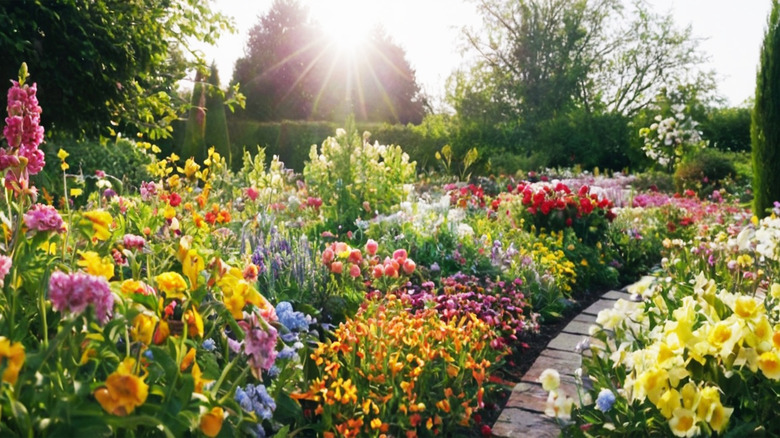
Bare patches in your garden borders can give the wrong first impression of your home, making the garden look unkempt or uncared for, even when you've tried all kinds of cures and plants. Some people try to fix this by filling the spot with annuals every spring and that works to a point. At best, those annuals cost you time and money every year as you have to replace them each season. At worst, the plants fail to thrive, get diseased, or die off before the season is done. I've got over 20 years of experience as a Master Gardener, and some of my favorite plants are annuals, but like anything else in the garden, they only work in the right growing conditions, in the right zone, in the right spot. A rough, bare patch that nothing does well in is probably not the right place for them; however, there is a clumping perennial that will fill bare ground rapidly with beautiful mounds of lavender-blue flowers from late spring right through to fall. That plant is the humble catmint (Nepeta).
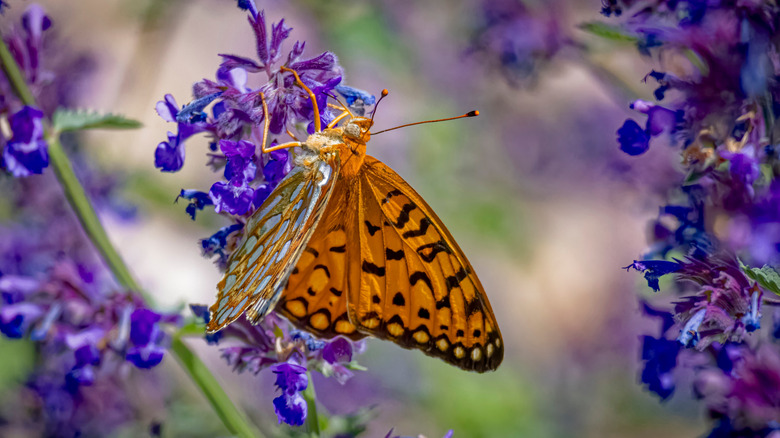
This low-growing perennial will grow even in thin soil where other plants may struggle. Its flowers draw huge numbers of butterflies, bees, hummingbirds, and other pollinators, so it makes a previously barren patch feel truly alive. Catmint is easy to care for and the rounded low mounds of this plant are super low-maintenance but will still boost your curb appeal, as they make a border feel finished. Plus, when in bloom, this plant is teeming with busy pollinator life, which adds a certain vibrancy and energy to your yard that visitors will quickly notice.
Catmint thrives where other plants give up
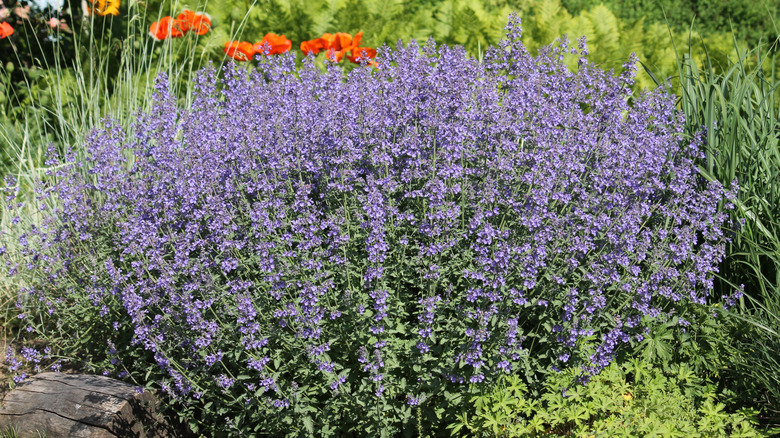
Catmint does so well where other plants just give up because it's not fussy about soil. It can grow in clay, loam, sandy, or even shallow and rocky soil in USDA Hardiness zones 3 through 9. All it needs is full sun and decent drainage. It's tolerant of most conditions, including some drought, once it's established, and it's not a heavy feeder. Catmint can cope with being planted in rough and difficult areas like that patch strip along your garden path that bakes in summer and grass just shrivels and dies. It's also one of the best plants for the hell strip at the front of your driveway.
Catmint is part of the mint family, although it has a clumping habit, so doesn't spread as aggressively as other mints. You can also choose compact cultivars such as 'Walker's Low', which are reliable, easy to grow, and don't tend to spread too much once they reach their mature size. Butterflies love it because it's a reliable source of nectar from and because there are so many flowers on such a compact plant. As the name suggests, catmint may attract cats so be aware of this as you plant it. Catmint contains nepetalactone, which is an aromatic oil that cats find euphoric or deeply relaxing. It's not as potent as catnip but catmint may still encourage local cats to stop by your yard for a visit. My cats both adore it and will happily lie in the catmint patch for hours.
Growing catmint to keep the butterflies coming
Catmint is super easy to grow and it doesn't need lots of maintenance and intervention from you. Plant catnip in its final position in spring or fall. This lets the plants get established before the worst of the heat or cold sets in. Space the plants 18 to 24 inches apart and water them well. Although catmint is drought-tolerant once it's established, you will need to water it during dry spells for the first season until it establishes itself. After that, it doesn't require much care and attention. To get the longest possible bloom time, after the first flush dies back, lightly trim the plant, removing the dead heads. This helps the plant maintain its shape and also encourages a fresh flush of blooms to appear in late autumn.
The plant will start to die back in late fall, but wait until early spring until you cut it back, because ladybugs love to overwinter on catmint, and they are important aphid-eating garden friends. If you want more catmint plants, you can divide your existing ones every few years, but let them get established for at least two years before the first division. Dig up the whole plant, then break the root clump into a few large pieces. Make sure each division has plenty of roots and shoot buds, then place them in bare spots in your garden as you would a new plant.