

9 Vegetables & Flowering Plants That Love Bone Meal Fertilizer
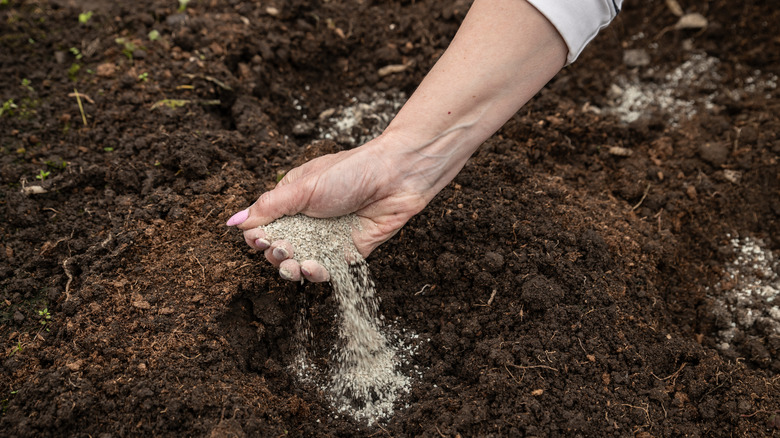
Fertilizer is a vital tool for cultivating an abundant garden. However, chemical fertilizers have drawbacks that can lead to long-term damage to the soil and microbes that live there. Bone meal is a great alternative. It's renowned as a highly effective organic fertilizer. Particularly beneficial for vegetables and flowering plants, it's a great amendment for planting everything from spring seeds to fall bulbs.
This organic fertilizer is made of dried, finely ground cattle or fish bones. This organic material breaks down slowly, releasing helpful nutrients that many plants crave. It typically has about 15 to 20% phosphorus, 20 to 25% calcium, and small amounts of nitrogen. These high levels of phosphorus aid plants in forming and establishing strong roots. Secondary macronutrients like calcium, zinc, and magnesium also play a role in keeping flowering and vegetable-bearing plants healthy.
As the growing season wears on, this supplemental nutrition continues to encourage healthy cell growth throughout the plant. That boost includes improved flower and vegetable production, too. It can also encourage your plants to be more drought-resistant and winter-hardy. If you notice your plants have weak stems, slow growth, or their leaves have a sickly purple hue, that might point to a lack of phosphorus in your soil. Keep in mind that sometimes bone meal can attract animals to your yard. Combat this by mixing your bone meal into the top of your soil rather than leaving it exposed on the surface. You generally only need bone meal for soil that leans acidic– more specifically, soil with a pH level below 7.0. Phosphorus isn't as available to plants when soil is alkaline. Be sure to conduct a soil test before applying bone meal. We rounded up 9 vegetables and flowering plants that love bone meal, including plants like carrots and zinnias.
Carrots
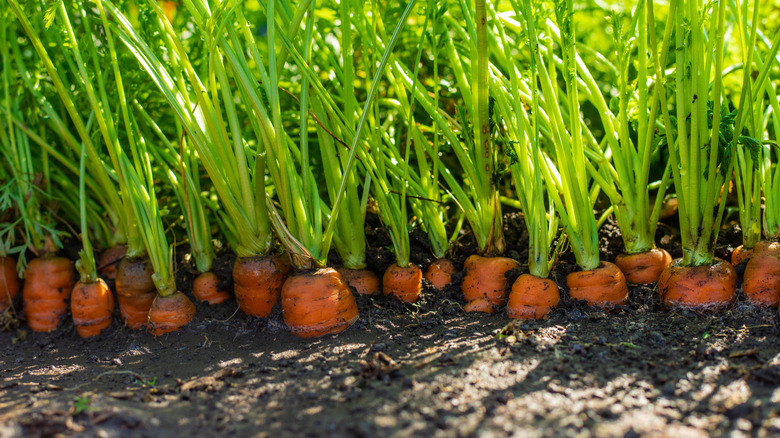
We know them and love them, so carrots (Daucus carota subsp. sativus) are a classic garden staple. However, anyone who's tried growing them can attest to how finicky they can be sometimes. They require loose, well-drained sand, 6 to 10 hours of sun a day, and diligent weed and pest management to grow properly. The goal is to bulk up the root of this plant rather than expend a lot of energy on foliage growth. Luckily, bone meal is known to do wonders for root plants. The high phosphorus levels in this fertilizer encourages healthy root growth.
Peonies
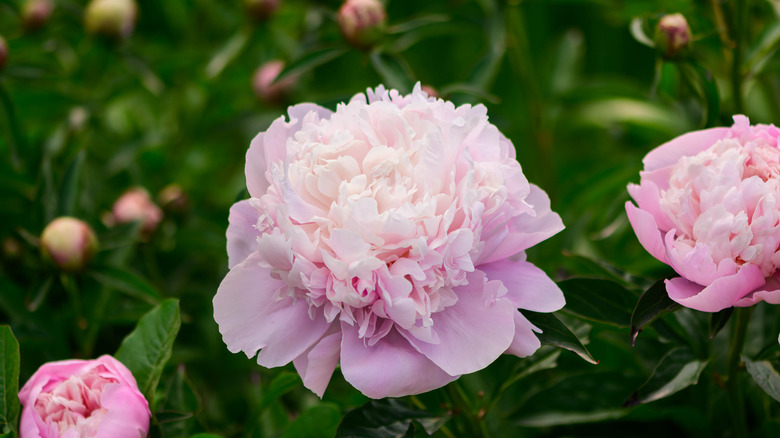
Peonies (Paeonia spp.) offer large, showy flowers in pink, red, white, purple, and yellow. They bloom from late spring to early summer. You can grow these flowers perennially from USDA hardiness zones 3 to 8. It's not terribly difficult to successfully grow peonies. They're fairly low-maintenance. However, they still crave extra nutrients. This thick-rooted plant can benefit from phosphorus found in bone meal. It can aid in stronger roots and more brilliant flowers. Apply it in the fall so by the time spring rolls around, your plant will have a cache of nutrients available to pull from.
Tomatoes
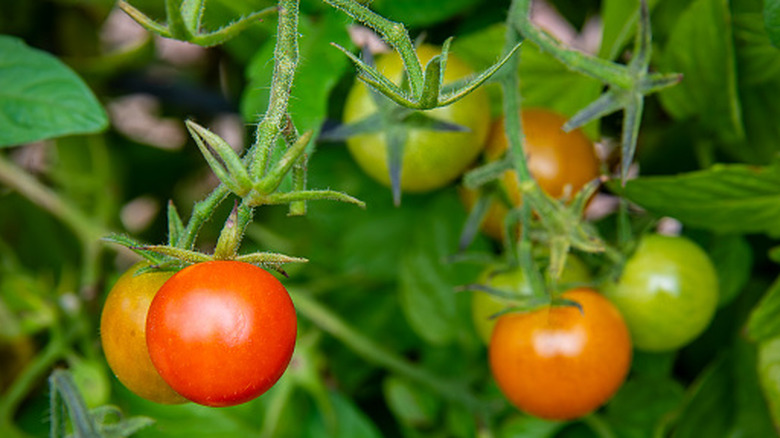
Another popular garden veggie is the tomato (Solanum lycopersicum). These plants require 8 to 10 hours a of sunlight day and frequent watering. This plant particularly benefits from bone meal. It's important to know when to fertilize tomato plants with bone meal for the best results. If you're transplanting a tomato, add bone meal into the hole for a phosphorus boost. However, one of the best benefits of this organic fertilizer comes from another macronutrient. The calcium in bone meal can also help prevent blossom end rot in tomatoes. It bolsters cell wall growth leading to an overall healthier plant.
Zinnias
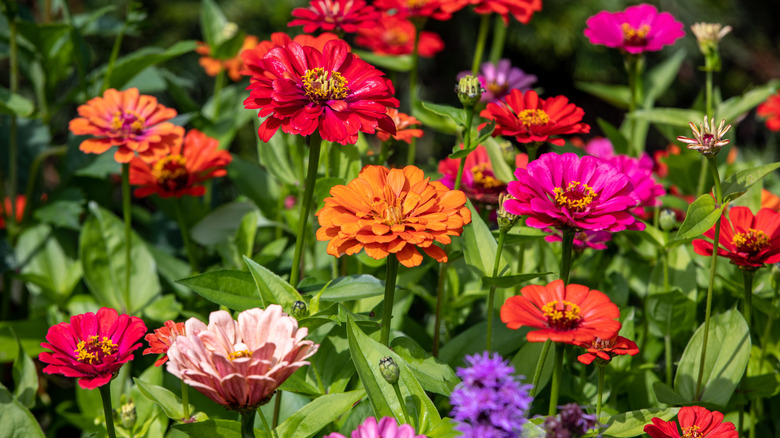
Zinnias (Zinnia elegans) are an easy-to-grow plant that flowers generously from summer into fall. It's treated as an annual in most regions, but can grow as perennials in frost-free regions between zones 9 to 11. These prolific bloomers are perfect for a cut garden and attract pollinators. While zinnias are not heavy feeders, they tend to benefit from incorporating some organic material into the soil when you plant them. These plants need plenty of phosphorus to continue producing new blooms throughout the growing season, so bone meal is a great fertilizer option.
Onions
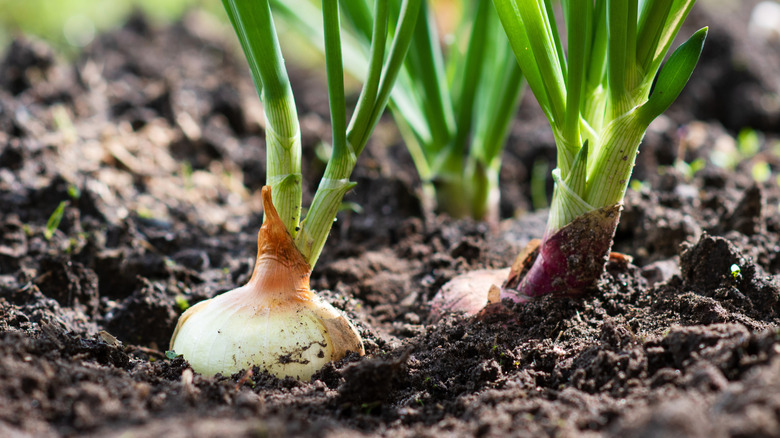
If you're looking for an easy to grow plant that can naturally resist pests, look no further than the onion (Allium cepa). They require full sun to grow the biggest bulbs. Onions also tend to be heavy feeders. The phosphorus provided by bone meal is paramount for proper bulb growth. However, onions also enjoy plenty of nitrogen in the beginning of the growing season too. Consider combining bone meal with nitrogen-heavy blood meal for a custom organic fertilizer your onions will love.
Roses
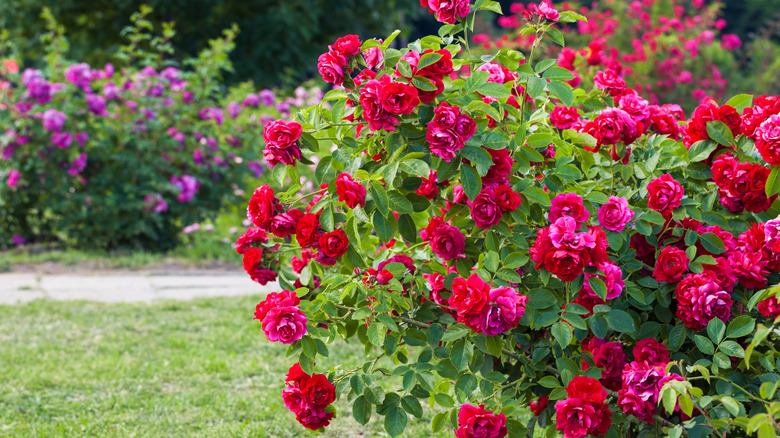
Roses (Rosa spp.) are quintessential garden flowers. They tend to get a bad wrap for being high maintenance but they simply need a bit more hands on TLC. They require 6 hours of direct sun daily. Whether you transplant a new rose bush in the spring or fall, your role as gardener is to help your plant establish healthy roots and foliage before it rewards you with flowers. Roses need time and adequate nutrients to develop their thick roots. The phosphorus found in bone meal can aid in supporting healthy root development. Simply place some in the hole before you plant your bush.
Beets
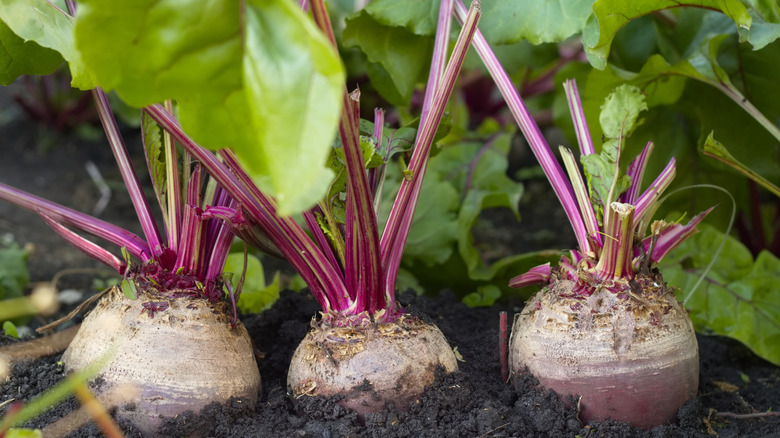
Beets (Beta vulgaris) are a frost-tolerant plant that is completely edible. They require 6 hours of sunlight a day. Adequate moisture is also crucial for this plant to grow successfully. To grow bigger beets, it's important to provide this plant with fertile soil. They need both phosphorus and calcium to thrive. As we discussed earlier, bone meal is particularly great for root plants. Even though these plants are a great candidate for succession planting, a single dose of organic fertilizer when you plant your first round of beets should suffice for the entire growing season.
Gardenias
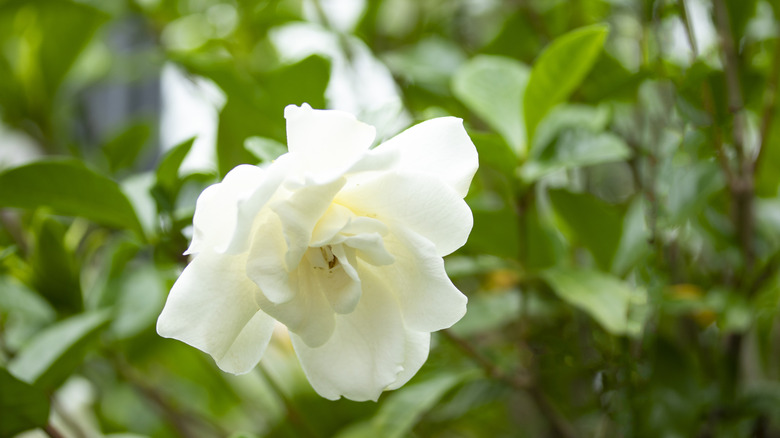
Featuring a beautiful flower and lovely fragrance, gardenias (Gardenia spp.) are hardy from zones 8 to 11. These elegant beauties tend to be a bit high-maintenance. They need a lot of nutrients to be at their best. If you notice a lack of blooms, your gardenia may be low in phosphorus. Bone meal can help. Apply bone meal once in the spring and again 6 weeks later. Your plant will reward you with a burst of fluffy, snow-white flowers from late spring to early summer.
Zucchinis
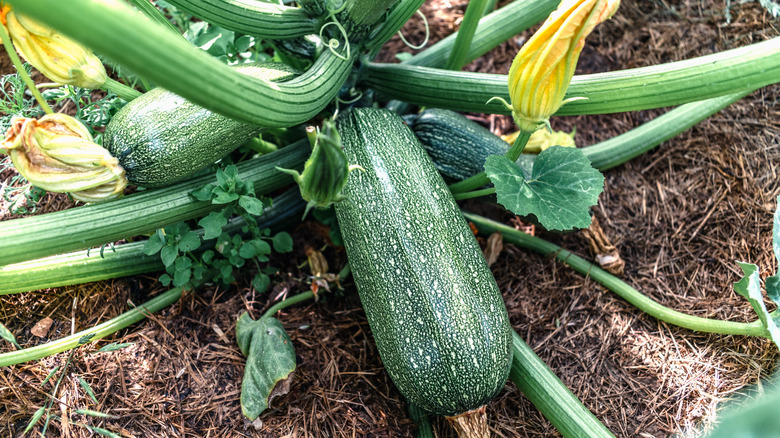
Zucchinis (Cucurbita spp.) are known to be generous producers. Stay on top of watering for best results. They also need full sun to thrive. Zucchinis can be even more prolific if they are well-fed. Bone meal is a great organic amendment to consider. Prepare planting pockets ahead of time if you plan on using bone meal. Simply dig a hole and add your organic fertilizer to the bottom a few weeks before you plant your squash. This allows the nutrients to break down into the soil so it's immediately available to your plants right as you sow seeds or transplant.