

Don't Throw Away Your BBQ Grill Ash — 28 Plants That Love It
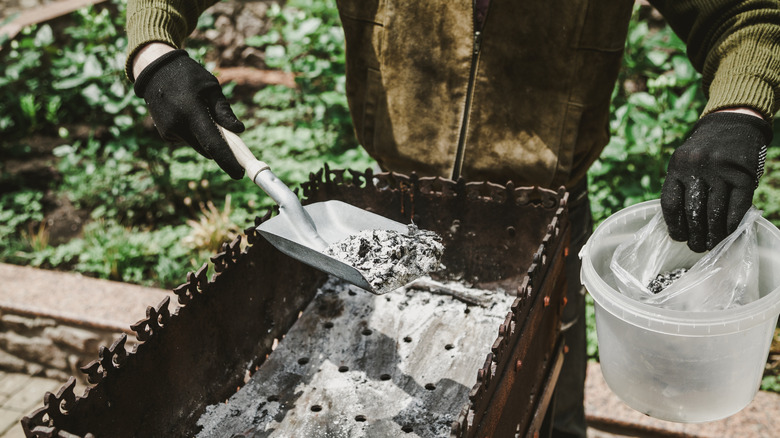
Do you barbecue often with wood, and do you also love to garden? You're in luck! Wood charcoal is one of the few types of charcoal you can use to boost your garden plants — from gooseberries, strawberries, and tomatoes to lavender, leeks, and lilacs. However, safety and careful planning are important when reusing charcoal — or, perhaps more correctly, charcoal ash — in your garden. Some types of ash can do more harm than good. For example, you can't use ash from briskets, nor can you use ash from wood started with gas or starter fluid.
As a soil amendment, wood ash can alter soil pH and contribute calcium, potassium, magnesium, phosphorus, sulfur, iron, aluminum, manganese, zinc, and boron to your garden. You can compost the wood ash or add it directly to the soil in the winter. You can also till it into the ground when you are preparing your beds in spring. Before you sprinkle charcoal ash from your grill on your garden, you'll need to conduct a soil test — that way, you know how much to add.
Wood ash can be harmful if applied to the garden incorrectly. Avoid sprinkling it near plants that prefer acidic soil and do not apply it directly to seedlings. Instead, use it on nutrient-hungry plants that need a higher soil pH. For example, additional calcium is great for flowering perennials, fruiting plants, and herbs — think grapevines and rudbeckia. Potassium-loving edible plants, like asparagus, Brussels sprouts, and currants, also benefit from a handful of wood ash. As a bonus, ash from your barbecue may deter slimy pests, like slugs and snails, from your lettuce, cabbages, and spinach.
Asparagus
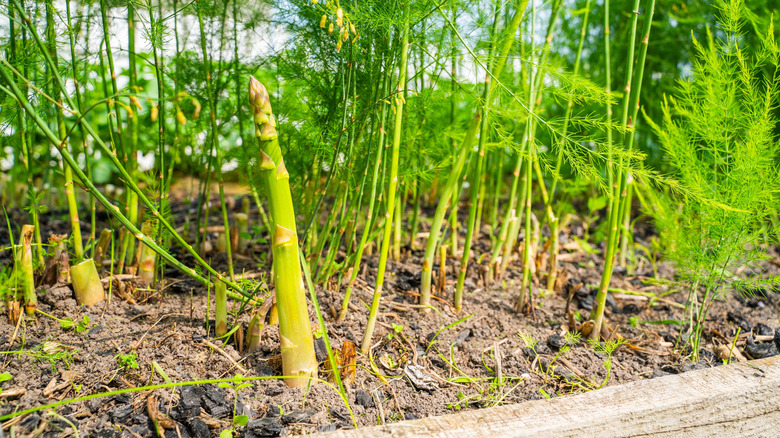
You can grow asparagus (Asparagus officinalis) as a perennial vegetable in USDA Plant Hardiness Zones 3 to 8. Wood ash is an alkaline fertilizer that will help your growing asparagus plants thrive by adding potassium to the soil. This amendment benefits your asparagus because they prefer a soil pH between 6.5 and 7.0. The plant grows best when fertilized regularly during its spring growing season. Once you are done harvesting asparagus spears for the year, add a final layer of ash from your barbecue grill on top of a layer of compost.
Basil
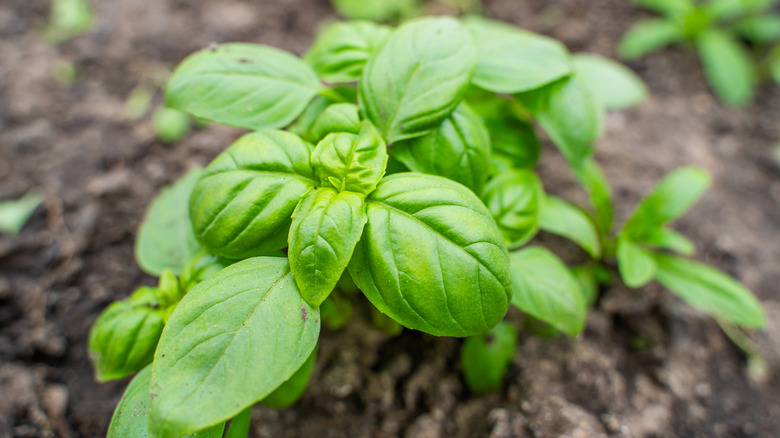
You can use ash from your grill as a fertilizer for basil (Ocimum basilicum). It grows best in soil rich in organic matter with a pH of 6.0 to 7.5, which makes it a great candidate for your barbecue grill wood ash. Basil may even grow faster in soil amended with ash compared to other additions. You don't need to add a lot of ash to your herbs for it to be effective. Basil prefers low to moderate fertilization throughout the growing season. Test your soil and amend the amount of ash accordingly.
Beans
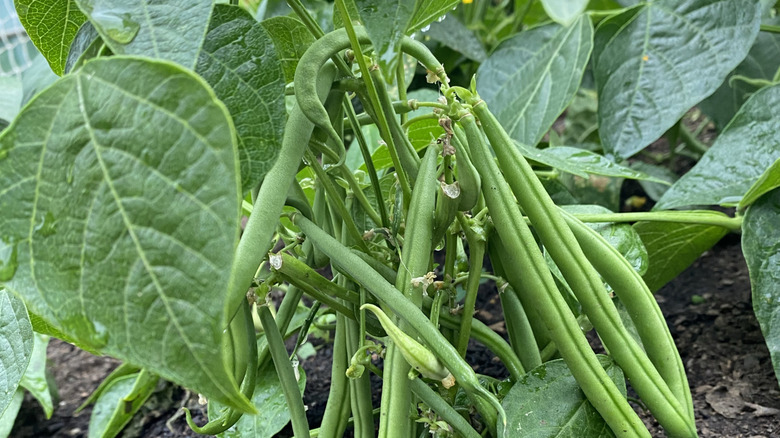
Generally speaking, there are just two types of green beans grown in home gardens: bush and pole beans. There are some key differences between each variety, namely the growing space they need and whether or not they climb. However, both bush beans and pole beans benefit from the addition of a little grill ash before the growing season. Most beans don't need a lot of fertilizer. Adding ash as a soil amendment provides just the right amount of nutrients to support growth without overdoing it. You can also add ashes to the soil after composting if you want.
Beets
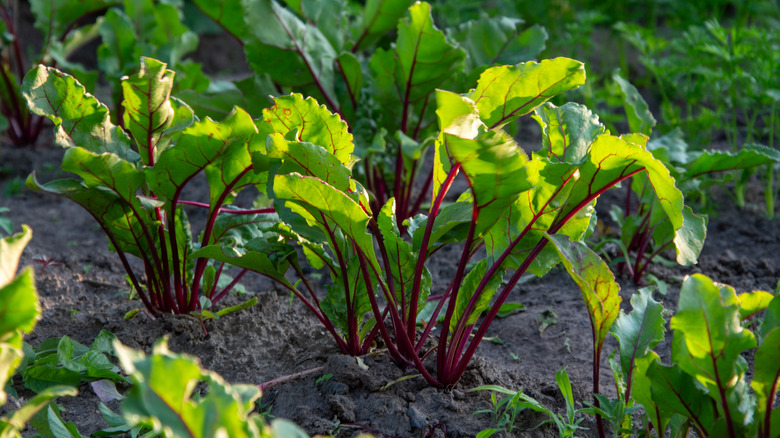
Beets (Beta vulgaris) are usually grown as an annual vegetable in home gardens. They are generally very easy to grow — as long as your soil is to their liking. They need fertile, loose, rock-free soil that sits at a pH somewhere between 6.0 and 7.0. Using ash on the soil before planting beets in spring may help these brightly hued vegetables develop larger, more tender roots. Plus, since beets don't do well with nitrogen fertilizers, you can substitute with ash for a better nutrient balance.
Broccoli
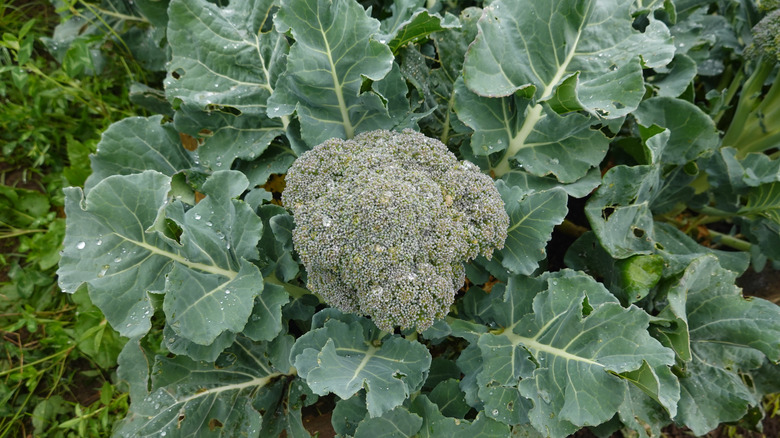
Another vegetable that prefers neutral soil and benefits from a little barbecue grill ash is broccoli. Broccoli is a biennial vegetable that thrives in temperatures between 65 and 70 degrees Fahrenheit. It prefers well-draining soil that's rich in organic matter. The ideal pH for broccoli is between 6.0 and 7.0 — so alkaline to slightly acidic. You can sprinkle the ashes in the soil after you dig a hole, but before you plant your broccoli. Or you can add ash as a fertilizer substitute to broccoli about three weeks after transplanting.
Brussels sprouts
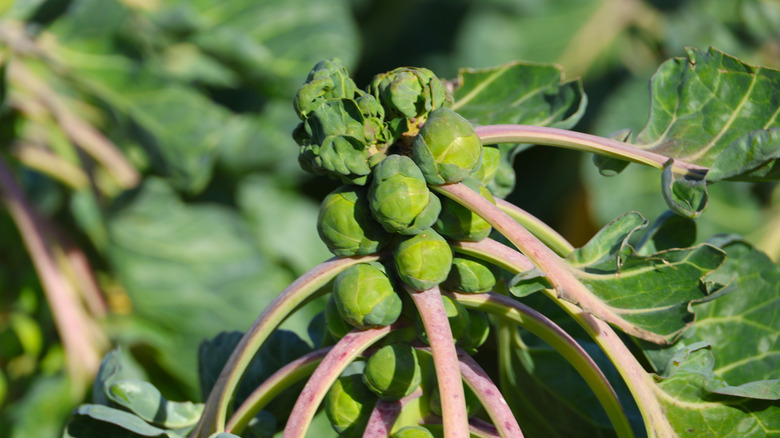
Brussels sprouts are a biennial vegetable that can be difficult to grow without the right soil and timing. To start, you need to plant them 100 days before the first frost date — an easy-to-miss window. Plus, nitrogen (which is common in commercial fertilizers) causes boost leafy growth and stunts the development of the sprouts. Since ash does not add nitrogen to the soil, it is the perfect soil amendment for your Brussels sprouts. The ash from your grill is also ideal for Brussels sprouts because they need lots of potassium and a soil pH between 6.0 and 7.0.
Carrots
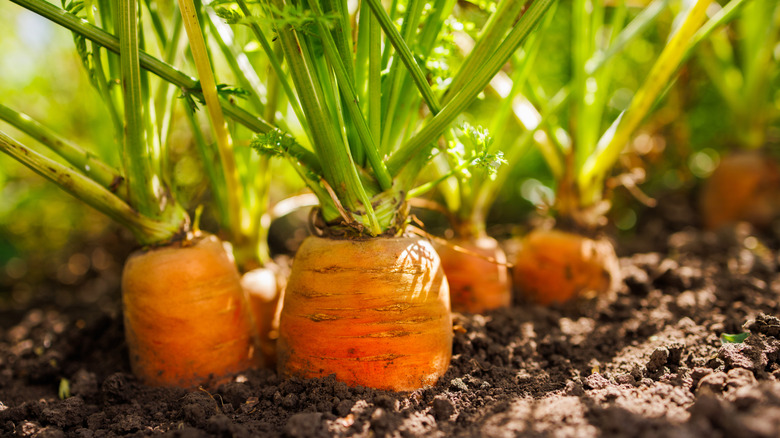
While you want to avoid using ash on some root vegetables (like potatoes), carrots are one root vegetable that will thrive with a sprinkling of ash from your grill. Quality soil is the key to growing large, sweet carrots — it should be loose, well-draining, low in nitrogen, and not too acidic. Luckily, wood ash can help with all of these concerns. It is best to add wood ash as a fertilizer when you prepare your soil for planting. The soil pH should fall between 6.0 and 7.0 when tested.
Cabbage
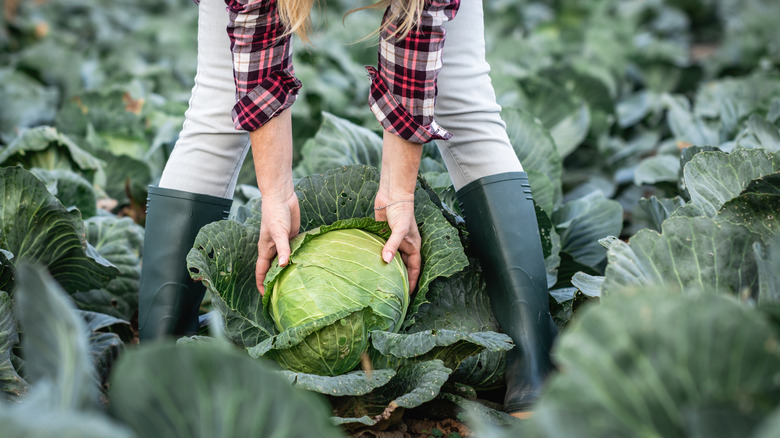
The benefits of growing cabbage with wood ash from your barbecue grill are very similar to those of Brussels sprouts. Cabbage is a biennial vegetable that grows best in soil with lots of phosphorus. It thrives in neutral to slightly acidic soil and doesn't need much nitrogen at all. You can use wood ash to raise the pH of highly acidic soils. Plus, it doesn't have any nitrogen. Do a soil test to determine if you need to add ashes to your soil, since cabbage can be picky about nutrients and pH levels.
Cauliflower
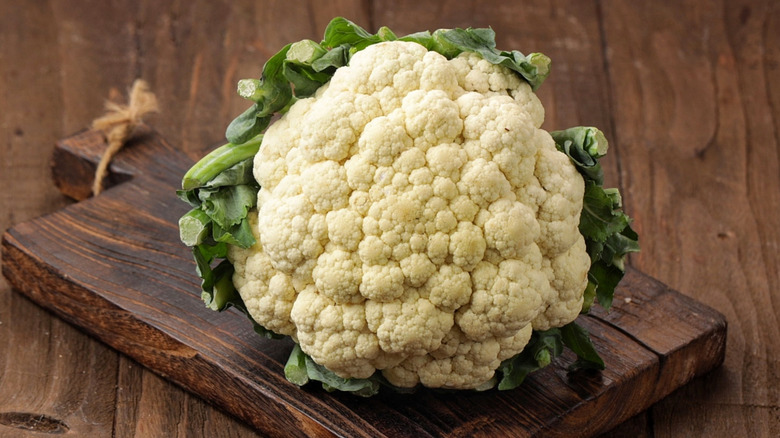
Similar to broccoli, cauliflower gets a boost from wood ashes when they are added to the soil before the growing season. This biennial vegetable grows best in the fall in soil that is undisturbed during the growing process, which includes changes to nutrients. You may need to pair the ashes from your grill with a nitrogen fertilizer several weeks before planting to properly prepare the soil. Cauliflower also prefers soil with a pH between 6.0 and 7.0.
Clematis
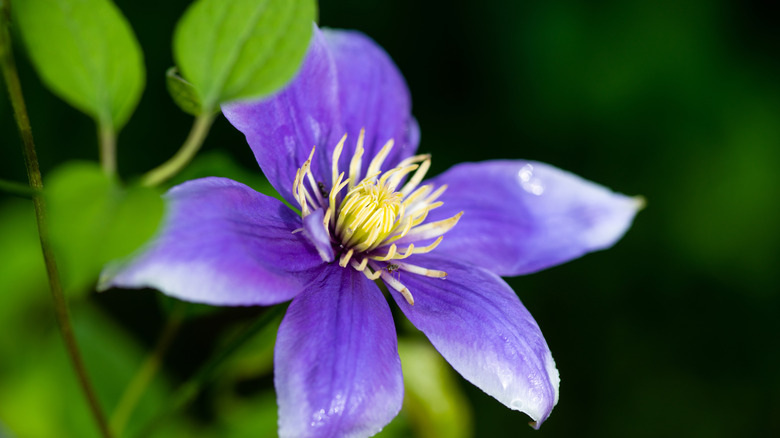
Vegetables aren't the only garden plants that can benefit from barbecue grill ashes. This free material can also help flowering perennials, like clematis (Clematis spp.), thrive. Clematis is a long-lived vine that attracts pollinators in the spring, summer, and fall in Zones 3 through 9. However, this beautiful climbing perennial should never be planted with your edibles because it is poisonous to humans and pets when ingested. The addition of ashes helps control the pH in the soil to keep it alkaline. With it, you can ensure your clematis will return year after year.
Currants
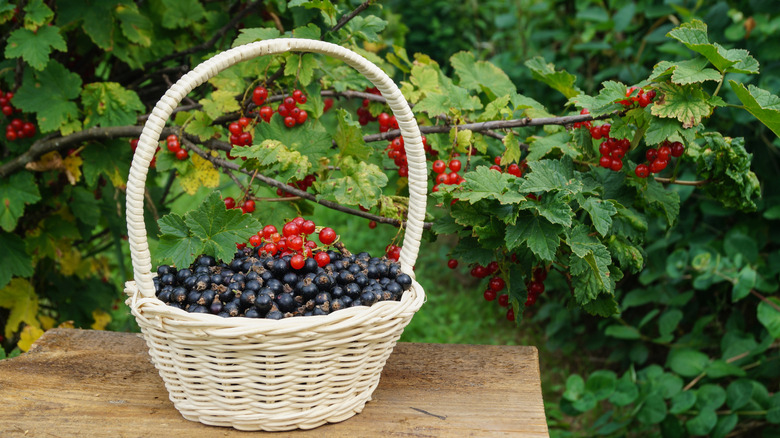
Currants (Ribes spp.) are edible berries that grow on a perennial shrub in Zones 3 to 8. Red currants (Ribes sativum) are an especially good candidate for wood ash soil amendment. You can sprinkle a bit of your leftover grill ash around the roots of your shrubs in spring to give them a boost of potassium right as the growing season gets started. It also can help to neutralize the pH of your soil if a soil test says it's too acidic.
Garlic
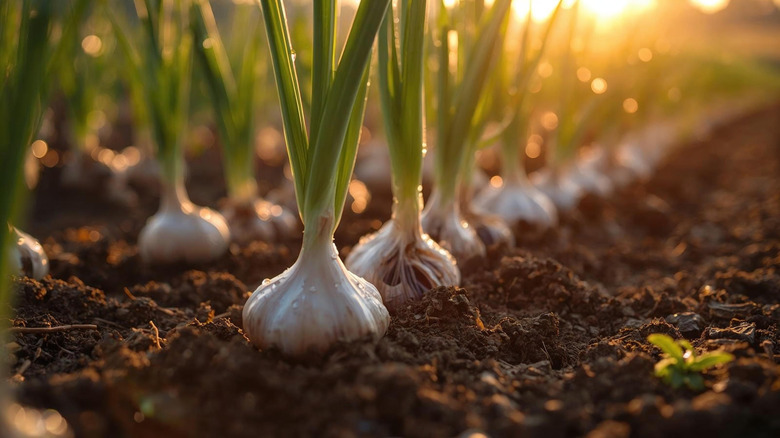
Garlic is another root vegetable that benefits from the pH-adjusting ability of wood ash and its high levels of potassium, calcium, phosphorous, and magnesium. Most gardeners grow garlic as an annual, but it is actually a perennial in Zones 4 to 9. You can add ash to your garlic patch in fall for a quick amendment — if, of course, your soil test indicates an issue with acidity or lack of nutrients. You will still need to pair wood ash with a nitrogen fertilizer and some organic matter (like compost) to properly supply your garlic with enough food.
Gooseberries
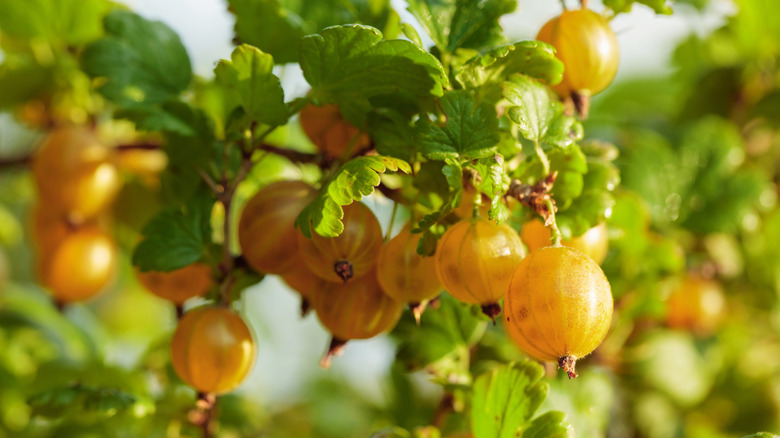
As with currants, gooseberries (Ribes spp.) benefit from the boost of potassium that your leftover grill ash can provide. Gooseberries grow on perennial shrubs, too, typically thriving between Zones 2 and 8, depending on the variety. They do best when planted in rich, well-draining soil. To help your gooseberries grow well, sprinkle ash around the root zone of the plants, keeping your soil test results in mind when deciding on how much to use. This is best done in spring before the fruit starts growing.
Grapes
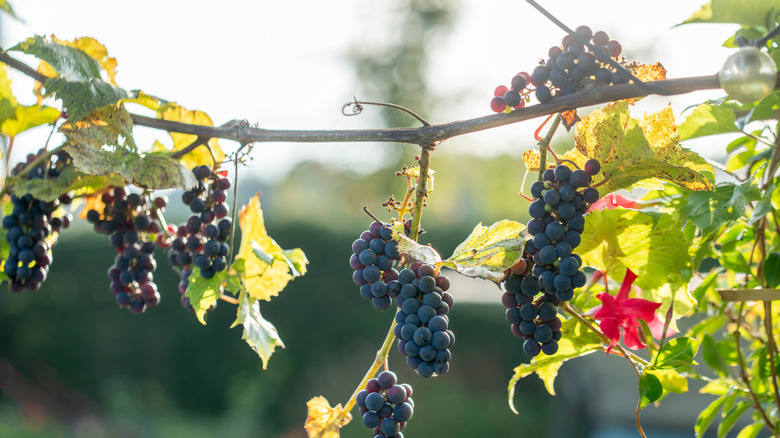
Grapevines can be fussy, especially when they are young and establishing their root systems. However, once you learn what they need to thrive, they'll reward you with prolific growth. Before you can reap the benefits of your hard work, however, you need to create the ideal soil environment. Barbecue grill ash (from wood) is an excellent fertilizer for grapes — it adds calcium, magnesium, and sulfur to the soil. As always, how much ash you use depends on your soil test results. You want to keep the soil pH between 5.0 and 7.0, depending on the variety.
Lavender
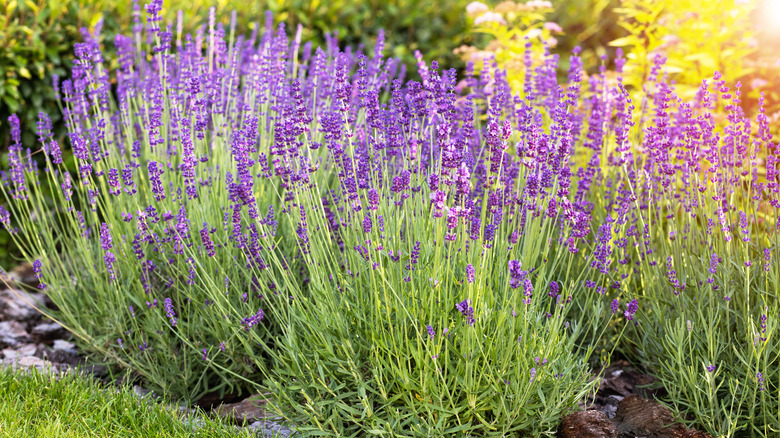
Generally, you don't need to fertilize lavender (Lavandula angustifolia), a perennial in Zones 5 to 9, at all. However, you'll still want to keep the soil at the right nutritional and pH levels for optimal growth and flowering. Using too much fertilizer on lavender plants can reduce the number of blooms. That being said, if your soil test indicates that acidity is low, you can try to amend the pH with grill ash, aiming for between 6.0 and 8.0 on the scale. If you have well-draining, alkaline soil in your garden beds, you're sure to have healthy, full-flowering plants.
Leeks
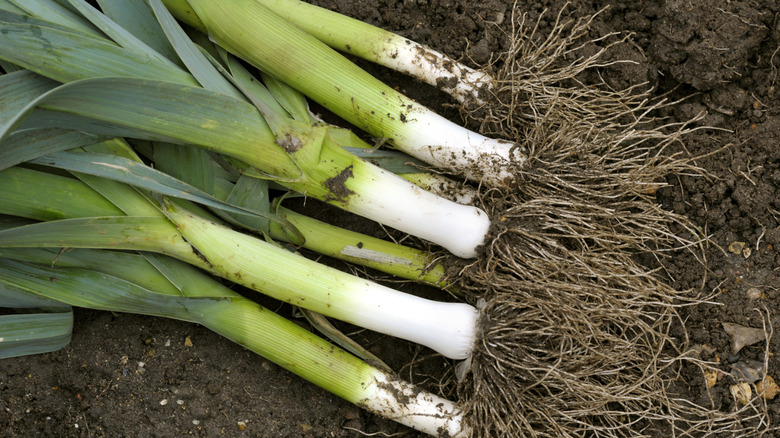
As with other alliums, leeks (Allium porrum) likely thrive with a healthy dose of wood ash added to the soil before the growing season. Unlike garlic, however, leeks are biennial vegetables that require a rather long growing season to see a successful harvest. You can add your leftover barbecue grill ash to the soil around your leeks to adjust the potassium and soil acidity. How much you add depends on your soil test, but aim for enough to get the pH levels between 6.0 and 7.0.
Lettuce
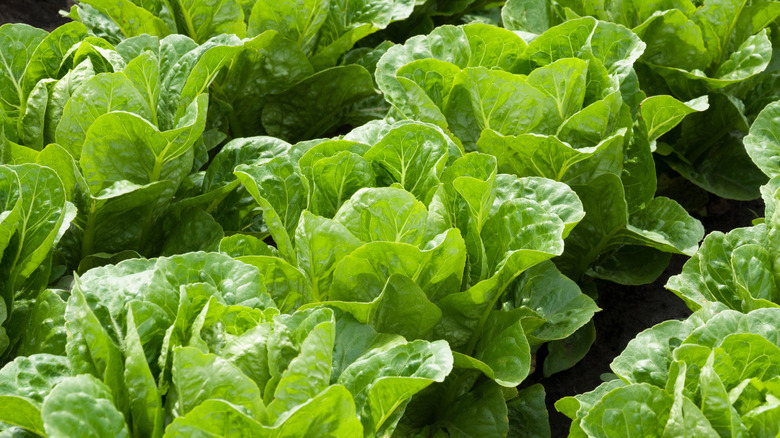
Don't skip using your leftover barbecue ashes on your lettuce (Lactuca sativa) plants. Wood ash fertilizer helps leafy greens grow and protects them from disease and pests. You can, for example, deter slugs and snails by sprinkling wood ash on the soil around your plants. You can also add ash to your compost and mix the combination into the soil before planting lettuce seeds or seedlings. It will improve soil nutrients and reduce acidity. Don't add ash (or any fertilizer) after the growing season begins unless your lettuce is growing slowly, and always avoid applying it to the leaves.
Lilacs
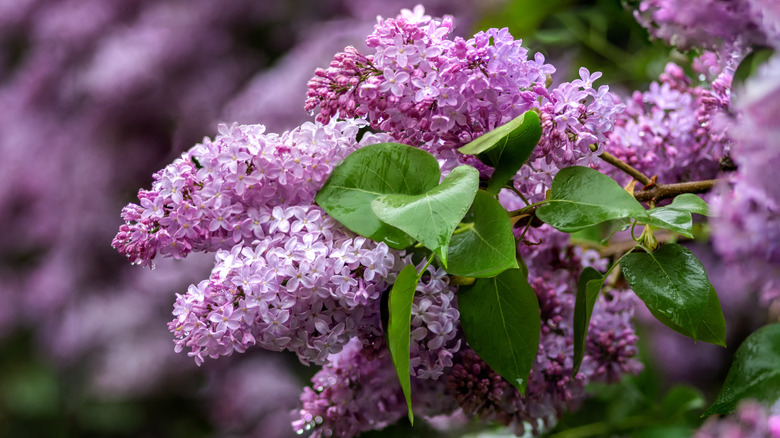
Lilacs (Syringa spp.) are flowering perennial shrubs that grow in Zones 2 to 8, depending on the variety. They are considered relatively easy to grow, and will expand rapidly to fill a space. However, as with any flowering bush, the wrong soil conditions — namely too acidic soil or too high nitrogen content — can impact flower development. This matters because lilacs are grown for their fragrant flowers that attract pollinators and look great in a vase. Adding some barbecue ash to the base of the plant to raise the pH will give your lilacs a boost.
Onions
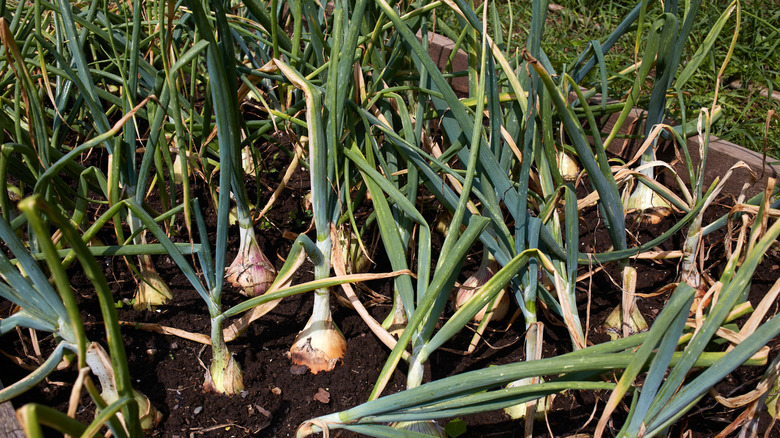
It's well-known among gardeners that onions (Allium cepa) benefit from an application of wood ash. Not only does the ash from your grill make a great fertilizer for onions, it can also help to balance the soil pH — between 6.0 and 7.0 is best — and keep the soil loose and workable. Young onions like soil they can easily expand into as they grow. These popular alliums will also gobble up the abundant phosphorous and potassium in ash. Apply some wood ash to the soil before seeding your onion patch in spring.
Parsnips
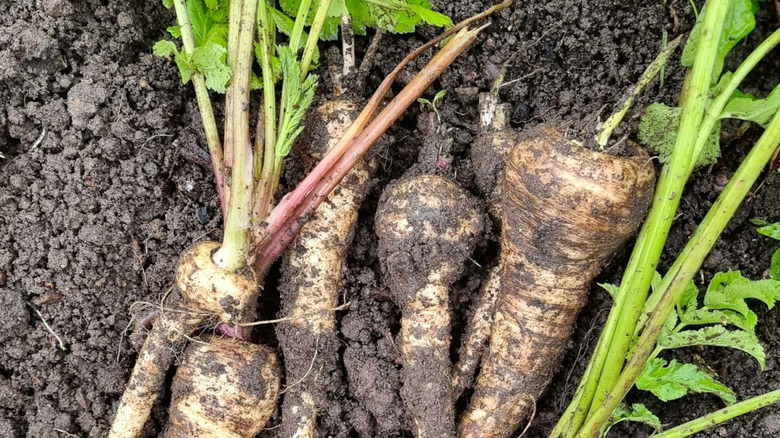
Another biennial root vegetable that likes loose, neutral soil is parsnips (Pastinaca sativa). They're similar to carrots, so it makes sense that they also enjoy a sprinkling of ash. If the soil conditions aren't just right, you can end up with small parsnips. If your soil test suggests that you need to add nutrients or amend the pH, add the ashes to your compost and mix them into the soil before planting parsnips. However, if you keep the soil pH between 6.6 (slightly acidic) and 7.2 (slightly alkaline) and add lots of organic matter, you'll get a bigger harvest.
Phlox
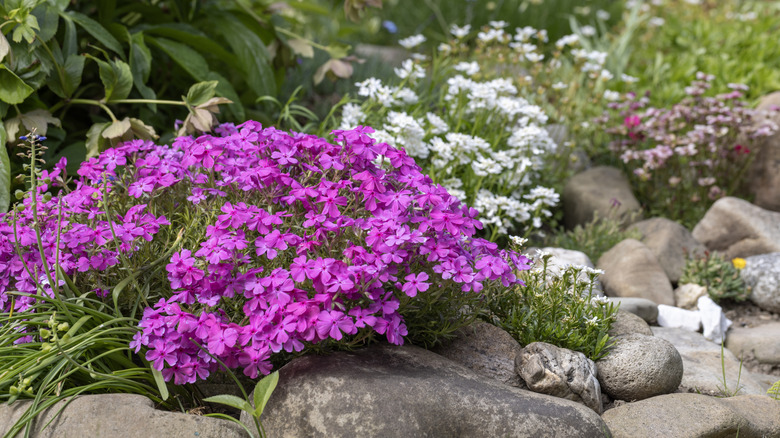
Commonly grown as an annual or perennial ground cover, phlox thrives in Zones 3 to 9. It also loves a sprinkling of wood ash. While phlox is usually considered easy to grow, it needs loose, nutrient-rich soil with good drainage to flourish — and, most importantly, flower well. Compost is commonly used to amend the soil texture before planting phlox, and you can mix ash into it. The exact pH value that your phlox needs will depend on the variety you choose, but most do best around 6.0 (slightly acidic). However, many varieties prefer a neutral pH.
Roses
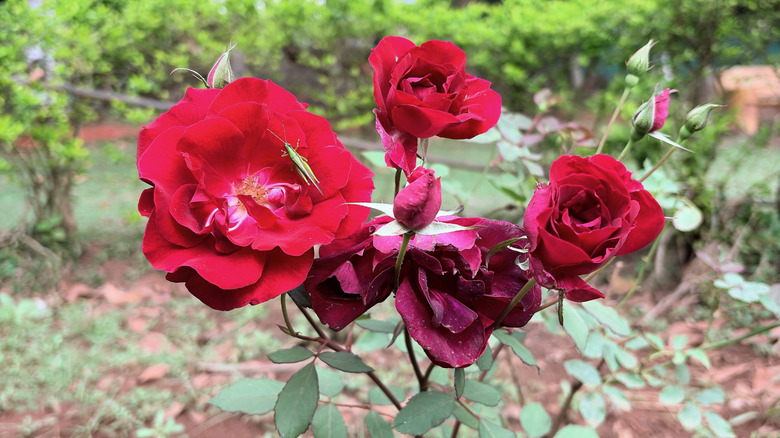
Unlike some of the flowering shrubs on this list, roses (Rosa spp.) are not the easiest plants to grow. In fact, they can be downright persnickety. Of course, the level of difficulty depends on the variety, but no matter which cultivar you pick, wood ash can help it stay healthy. Most rose varieties grow as perennials in Zones 5 to 11 in soil with a pH between 6.0 (slightly acidic) and 8.0 (alkaline). You can use ash from your grill to amend the soil pH in your rose garden — similar to how you'd use lime — and deter crawling pests.
Black-eye Susan
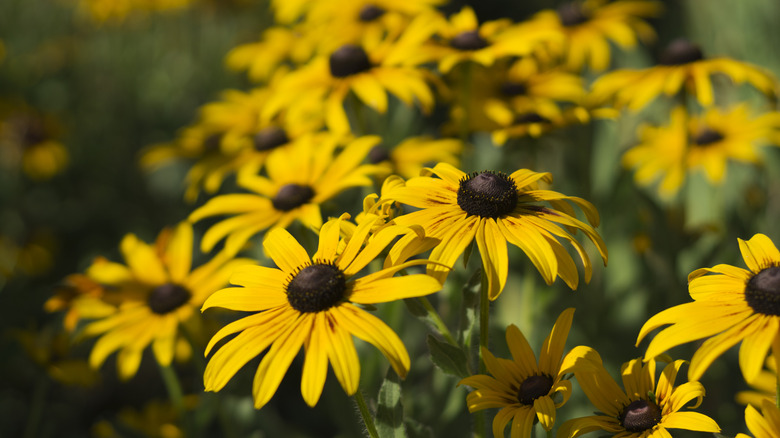
Rudbeckia species, commonly known as black-eyed Susan, is a perennial plant that thrives in Zones 4 to 9. While it will tolerate acidic soil, it prefers to grow in soil with a neutral pH. Black-eyed Susan also needs calcium to reach its full potential. That's where that tub of barbecue grill ash you saved after your last backyard party comes in handy. You can substitute your free supply of ashes for lime, adding it to the soil in your garden beds for a pH-raising, calcium-rich boost before the growing season begins.
Sedum
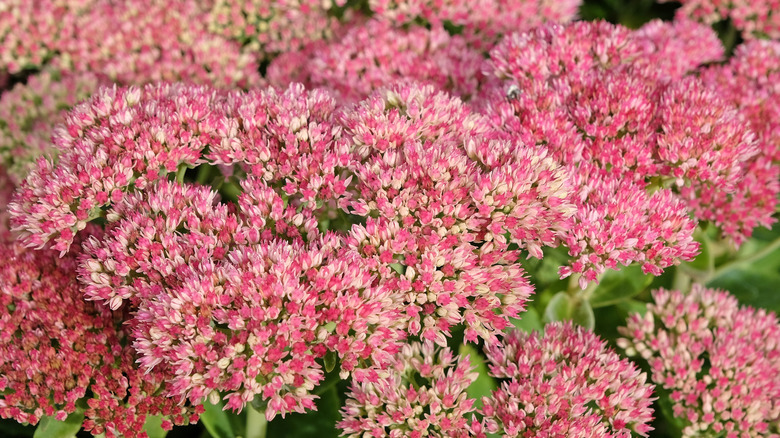
Sedum, also known as stonecrop, is a perennial ground cover adapted to garden life in Zones 3 to 9. Sedum is prized for growing in rocky, low-quality soil. Still, without a little care, it may not give you its best-possible display of flowers or foliage. Adding wood ash to the soil around this plant loosens the soil and ensures it drains well — sedums hate wet feet. It will also balance the acidity and nutrients in the soil, though how much you add depends on the results of your soil test, of course. Too much nitrogen makes them leggy.
Spinach
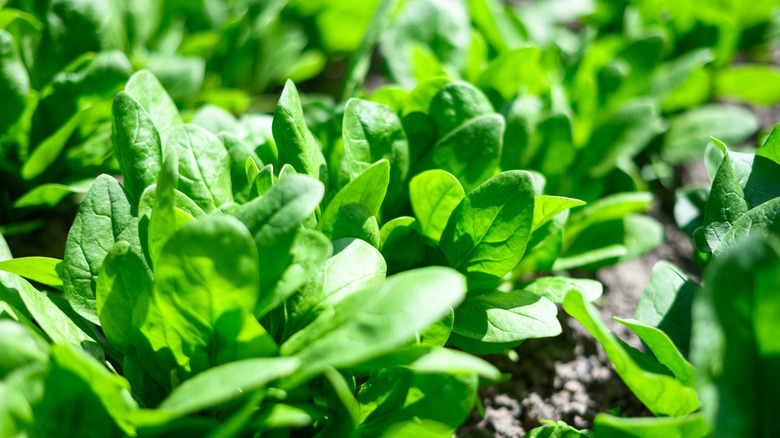
Spinach (Spinacia oleracea) is another annual leafy green that benefits from amending the soil with wood ash before planting. As with lettuce, barbecue ash helps balance the soil pH, add much-needed nutrients (like lots of calcium), and deter pests (like slugs and snails). Test and prepare your soil a few weeks before planting to allow time for the ash to work its magic. You will most likely also need to apply a nitrogen fertilizer to your plants when they start growing, particularly if the leaves turn yellow or begin to droop.
Strawberries
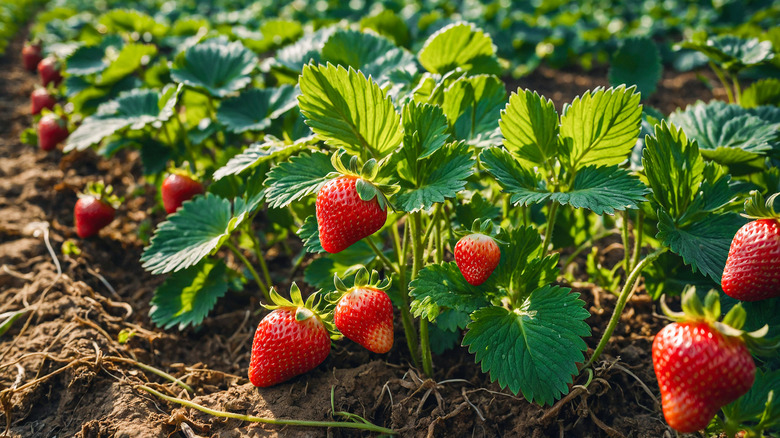
Strawberries (Fragaria spp.) are yet another perennial fruit that enjoys a little boost from barbecue grill ash. These Zones 5 to 9 plants need excellent drainage to thrive and produce juicy, sweet berries. Working some compost with added wood ash into the soil can help loosen it and improve drainage — especially if you have heavy clay soil. Strawberries prefer a soil pH between 5.5 and 7.0, which ranges from fairly acidic to mildly alkaline, so add ash to soil before planting, not during the growing season.
Tomatoes
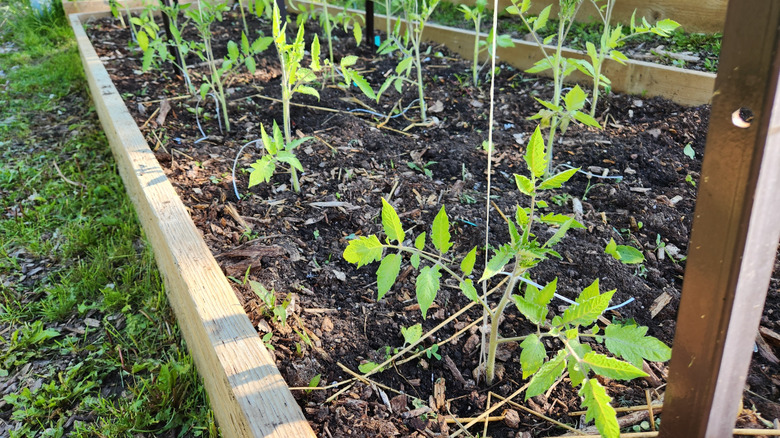
You need to carefully prepare a tomato (Solanum lycopersicum) bed before planting your seedlings. Creating the ideal conditions for healthy growth right from the start nearly guarantees a good harvest. Tomatoes can be picky about growing conditions, so pay careful attention to the results of your soil tests before applying barbecue grill ash to the planting bed. For one, tomatoes need loose, well-draining soil for optimal root growth, and ash can improve soil structure. Ash can also add vital nutrients — like potassium, which tomatoes love — and balance soil pH to reduce the risk of blossom end rot.
Turnips
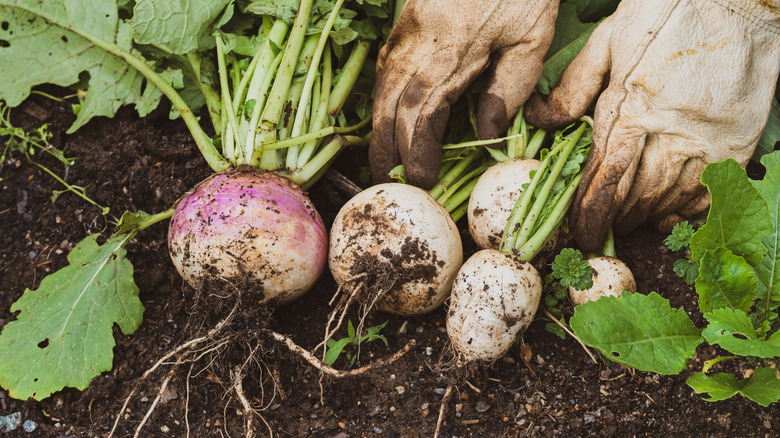
Turnips (Brassica rapa) are another root vegetable that love the calcium and potassium in wood ash. They also don't need much nitrogen and do best in soil with a pH between 6 and 7.5. If your soil test proves your soil is acidic, you can raise the pH levels to mildly alkaline using ash. Working a mixture of barbecue grill ash and compost into the soil before planting can also loosen it, ensuring well-shaped turnips. Just make sure not to overdo it. If you use compost, you likely do not need to apply additional fertilizer — or more ash — later.