

8 Best Fruits You Can Still Plant In June
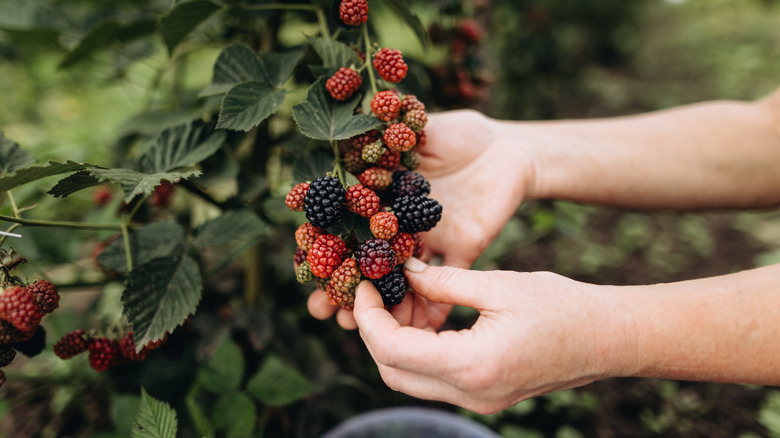
Growing your own fruits, like berries, apples, and stone fruits, can be challenging but satisfying. In my work as a professional gardener, I've helped clients with planting and maintaining various fruit plants, shrubs, and trees, watching them grow to provide delicious fruit over the years. Ideal planting times vary, depending on what you're growing and where you live, and most experts suggest planting fruit trees and berries in early spring. However, you'd be surprised to learn how many fruits you can still plant in June, before summer officially begins.
Fruits you can still plant in late spring for an autumn harvest include most melons (grown by direct sowing seed or planting nursery-grown seedlings). If you're feeling adventurous, check out berry bushes and fruit trees that are still for sale at your local nursery. Be sure to look at all the specific details of their growing needs, and talk to the nursery's plant experts for advice.
If you want to plant deciduous fruit trees like apples or pears, these are normally planted in early spring, while still in their winter dormancy. This prevents them from experiencing stress from planting, and gives them time to become established before winter comes. However, a "patio" variety of dwarf fruit tree or berry bush in a container is another option for adding fruits to your summer garden. Be sure to choose plants suited to your climate and space. Also, while some mature trees for sale from a nursery in June may have fruit already formed (I've gotten some dwarf apple trees like this), you should be prepared to wait a year for a fruit harvest.
Cantaloupes
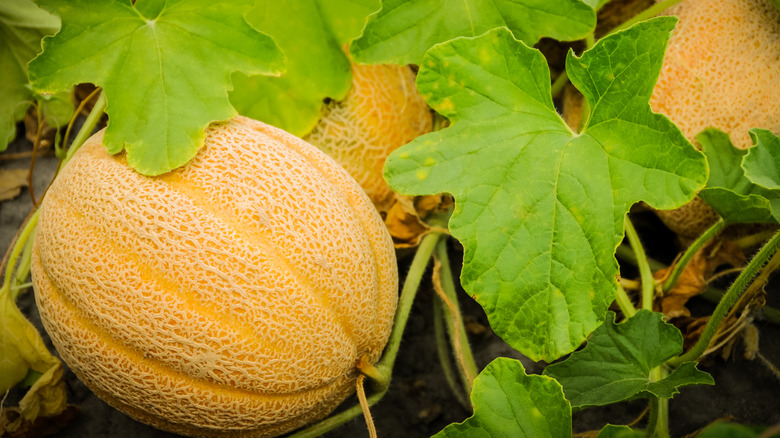
Melon plants like warm weather, plenty of sun, regular watering, and can definitely still be planted in June. My parents grew huge cantaloupes in their garden in central NY, usually starting the seeds in their little makeshift greenhouse. Melons should be harvested before the first frost date. The University of Minnesota Extension gives tips for knowing when cantaloupes are ready for harvest (usually 35-40 days after blossoms appear). When considering varieties to grow, "Minnesota Midget" has smaller fruits, matures in 60-70 days, and can be grown in containers, while "Sugar Cube" has good disease resistance and matures in 80 days.
Everbearing strawberries
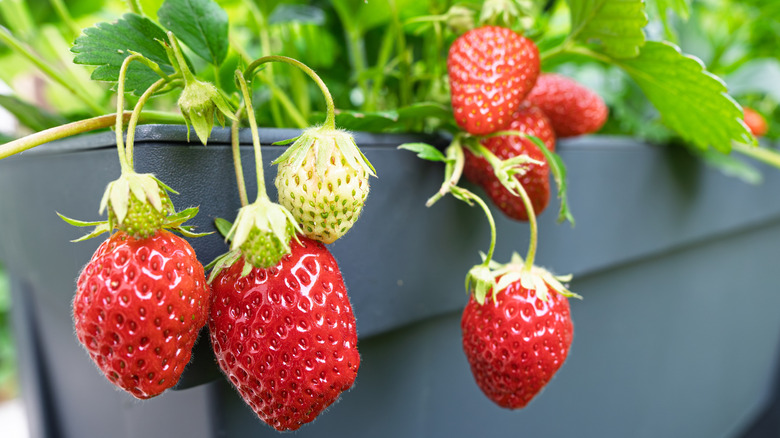
Most varieties of strawberries ripen in June, but everbearing strawberries also produce a second, smaller crop of berries later in the summer. If you find everbearing strawberry plants for sale, it's worth trying them. You can grow strawberries in containers, raised beds, or a traditional garden bed. They like plenty of sun, and in the garden, using straw for mulch is helpful. My favorite everbearing variety is "Albion," which has large, delicious berries and can produce plenty of new plants on runners. Some good varieties to try in containers include "Tristan" and "Mara des Bois."
Blueberries
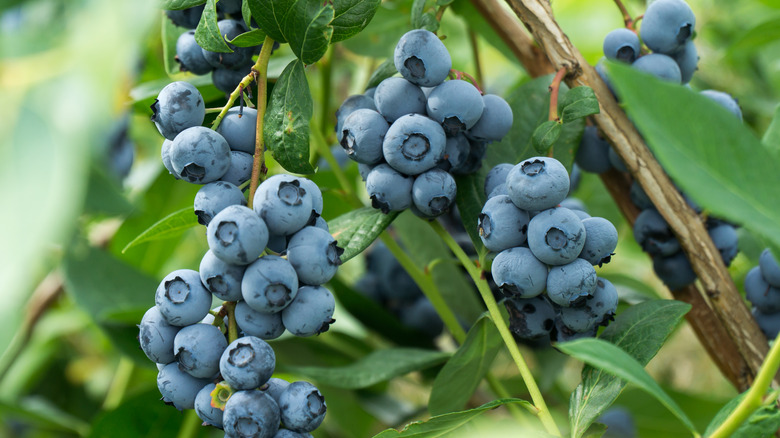
While you might get a better selection of blueberry varieties via mail order, I often go to nurseries to buy plants, because they're of mature size and already have blossoms or even fruit on them. I've been able to buy great blueberry plants as late as early July and harvested berries a few weeks later. Blueberries ripen between mid-July and September, depending on the variety, so having a mix of plants means a longer harvest season. There are also a number of new compact hybrid blueberries perfect for growing in containers. Blueberries grow best in slightly acidic soil with full sun.
Watermelons
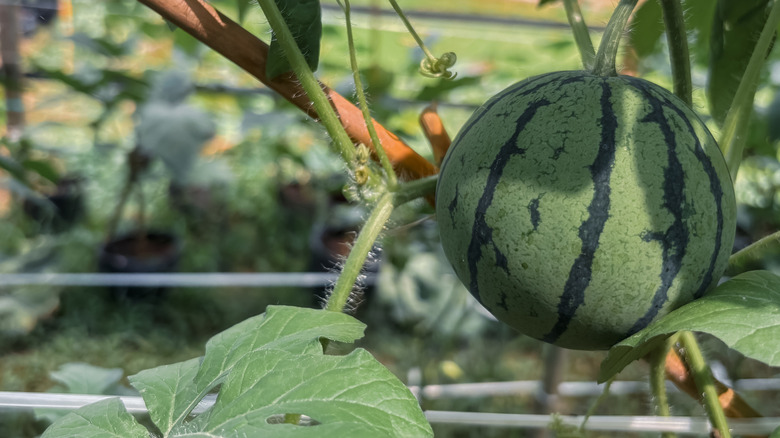
Watermelons need a lot of space, hot weather, and plenty of water. Southern states are best known for growing watermelons, but in colder zones, you can try growing some of the new hybrid "mini" melons. These have a shorter season and can be planted from seed or seedlings in June. You can grow small watermelons vertically in containers or next to a fence or trellis, to save space. Some good ones to try include "Sugar Baby" (80 days to maturity) and "Cream of Saskatchewan" (a yellow-fleshed variety that grows in cooler weather and matures in 85 days).
Everbearing raspberries
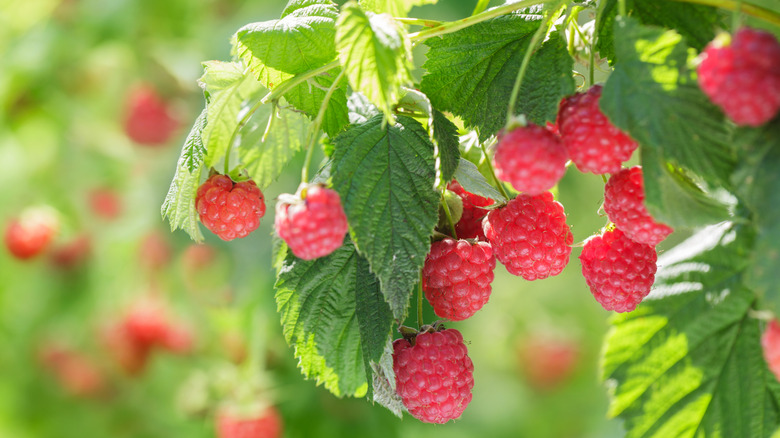
Raspberries are robust growers and like to spread, but if you have space for them, these tasty, nutritious berries are easy to grow and maintain. Some varieties ripen once in mid to late July, but everbearing raspberries (like the excellent "Heritage" and "Double Gold") produce second fruitings in late August and September. I've had good luck transplanting mature raspberry plants or new suckers in mid to late spring and getting a decent harvest of berries by late summer. Water them daily after planting for a couple of weeks, to help them get established.
Pome fruit trees
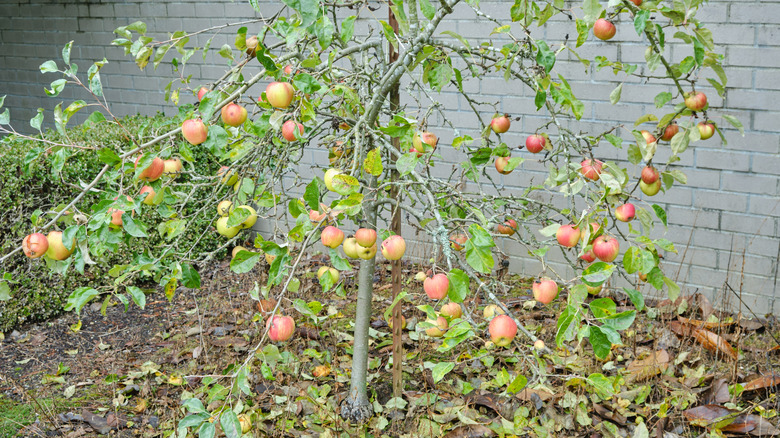
Although orchard experts favor planting fruit trees in early spring, you can plant pome fruit trees like apples and pears in June, as long as the weather remains mild. Be sure to water them regularly, to help them get established. Semi-dwarf or dwarf trees mature more quickly than standard-sized trees, so you may even get a fruit harvest in the first autumn. Your trees need a pollinator variety to help them set fruit, so take advantage of spring nursery sales to plant them together. Fruit trees are great for attracting butterflies and birds to your yard, too.
Grapes
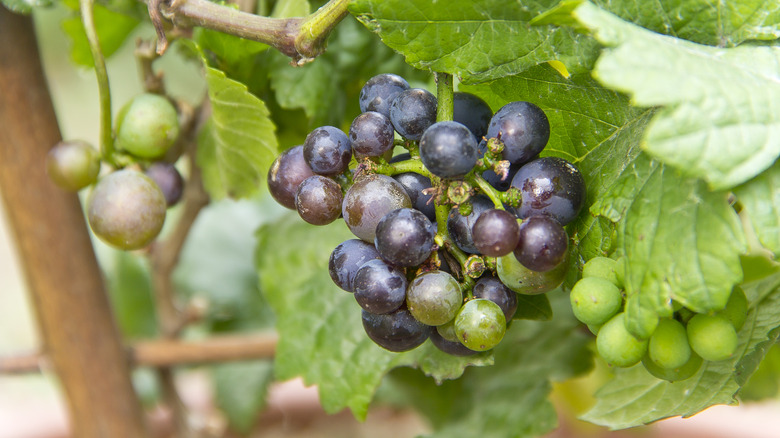
Though planting grapes is usually done in early spring, grapes grown in containers can be planted after the last frost in May or June. Grapes like plenty of sun and should not be overwatered. Pixie grapes (Pinot Meunier wine grapes) are a small grape variety good for container growing, only reaching 2-3 feet tall. Another grape variety that grows from 8-15 feet tall is "Pink Reliance," a seedless, cold-hardy variety that can be grown in a pot, to be trained onto a fence or arbor.
Stone fruit trees
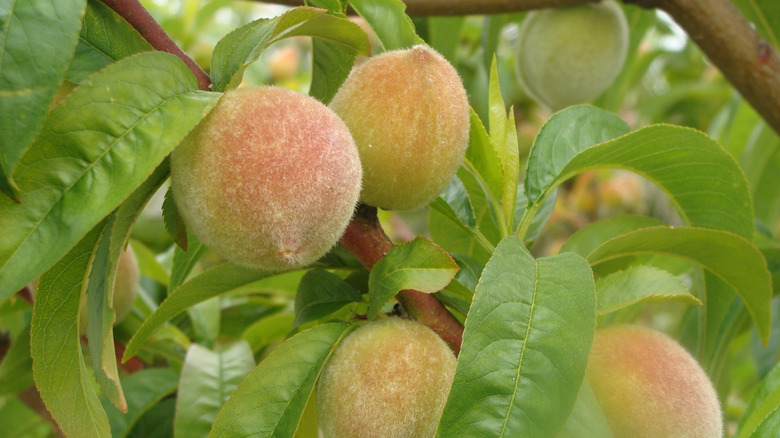
Just as with apple and pear trees, stone fruit trees like peaches, nectarines, and apricots can also be planted in June while temperatures remain mild and not too hot. You can get helpful instructions for planting and care of these trees from most vendors, such as Stark Brothers, who sell bare-root or potted trees. Gurneys has a special line of dwarf fruit trees called "Reachables." Give stone fruit trees a sunny location with well-drained soil, and water them well while they're getting established. Wait until the second year to prune them, to allow the tree to settle in.