

Why There's Simply No Need For A Home Printer Anymore
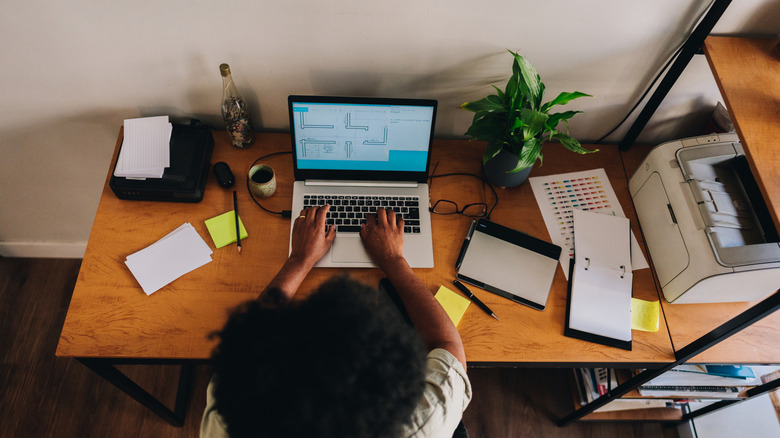
A printer used to be a home office staple, getting frequent use from people of all ages. From coloring pages and school projects to recipes and work documents, once a printer was introduced to a home, it seemed as though it were there to stay. It was the ultimate convenience. Today, however, more and more people are getting by without one — and in many ways, they're better off. As documents have largely moved online and affordable public printing options have become widely available, keeping a printer at home is just a financial drain for most people at this point.
Home printers first gained popularity in the late 1980s when laser printers became affordable enough for consumers. Prior to that, printers were used mostly in offices and commercial settings. Inkjet printers followed laser printers, and eventually, they evolved to add wireless connectivity and the ability to print, scan, fax, and copy in a single device.
After years of advances in printing technology, though, came the rise of email and interacting with documents digitally rather than physically. Rather than printing assignments, they could simply be submitted online, and important items could be signed electronically. Considering the downsides of printers and the upsides of digitization, it makes sense that printers are no longer needed in many homes. After learning the pros and cons, you may even be ready to get rid of your own device entirely, or at least avoid buying a new one.
Why printers are more trouble than they're worth
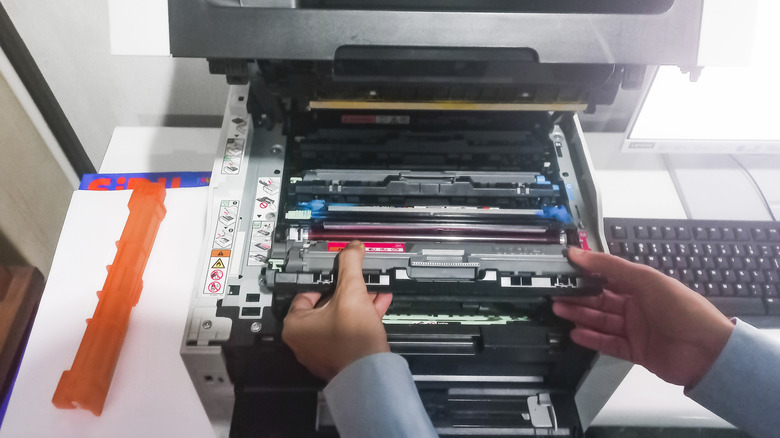
While home printers once offered undeniable convenience, they also became a source of frustration for many people. Plenty of households have dealt with a printer failing at a key moment, whether it was out of ink or paper, had a paper jam, or was simply malfunctioning. While you may have been able to work out a paper jam, printer repairs and replacements for ink and paper could get quite expensive, especially on top of the initial cost of purchasing the printer itself.
A new home printer typically costs around $100 on the lower end, though some models can still be found for closer to $50. It's also one of the home office essentials you can find at your local thrift store. Regardless of the printer's initial price, the more important cost is that of ink. Ink cartridges typically cost between $20 and $60, and they often do not last very long with regular use. Unopened cartridges can last for a couple years, but once they are installed, they last only around half a year. Add in extra costs of about $100 for emergency repairs, and the price of owning a printer is quite high.
Fortunately, affordable alternatives are easy to find. The first place to check is the public library. Many libraries allow people with library cards to print for free or for a small fee. Shipping centers, office supply stores, and local print shops also provide printing services for a modest fee.
What to do with your old home printer
Of course, the cost-benefit analysis that makes printers not worth having anymore does not apply to everyone equally. While most documents can be handled digitally today, there are still situations that call for printing, whether that means coloring pages for children, printed images for crafting, or work-related files. For people who print frequently — especially those who live far from public printing services — owning a printer may still make sense.
With viable alternatives that are far more affordable, it makes sense to avoid buying a new printer. If you already own one, though, you won't want to just throw it out. First, you may want to try selling it if it still works well, or trade it in at an electronics store. Donation is another great option, with some schools, non-profits, and community centers accepting gently used printers. You can even declutter old electronics with Costco's little-known trade-in program.
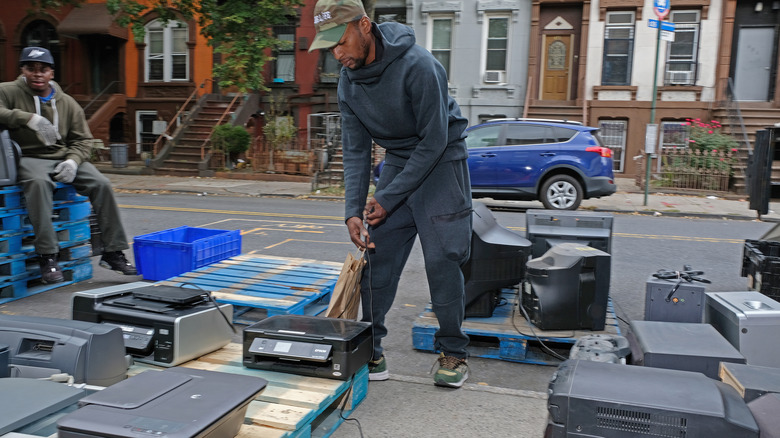
If your printer is a little worse for wear, look into local electronic waste recycling programs instead. Recycling old electronics is one of the ways to make your home decluttering process more environmentally friendly, as opposed to tossing them in the garbage and sending them to a landfill, where components and chemicals can contribute to pollution. Getting rid of your printer can save you money in the long run, and disposing of it responsibly can help reduce unnecessary waste.