

Not Weed Or Temperature Control: How Mulch Can Boost Your Garden's Health
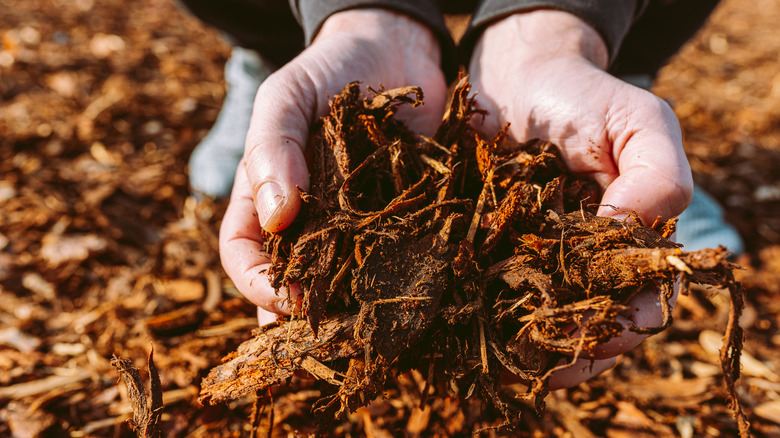
The conversation surrounding using mulch for your garden is usually focused on weed suppression. You may have also heard that adding a second layer of mulch helps your garden plants survive winter by using it to protect roots from changing temperatures. While these are important benefits, one of mulch's most valuable uses can be overlooked. It can boost your garden's health by helping the soil underneath hold onto moisture for longer. Sunny conditions can sometimes pull water from the soil through evaporation, leaving plant roots with less access to moisture. Mulching is a simple and beneficial way to conserve the available water in your garden and retain moisture in the soil.
The truth about mulch is that this moisture-saving ability is important year-round, but especially during stretches of hot weather. The soil surface can heat up quickly under direct sunlight, which accelerates evaporation even when humidity levels are high. A 2- to 3-inch layer of mulch is typically enough to help reduce that evaporation and allow the soil to retain moisture for longer periods, so you don't have to water the plants as often. Exposed soil dries out in the sun, but your mulched flower beds stay damp beneath the surface. The moisture remains available so your plants can actually use it, making a noticeable difference during those hot summer afternoons.
Why moisture retention helps plants thrive
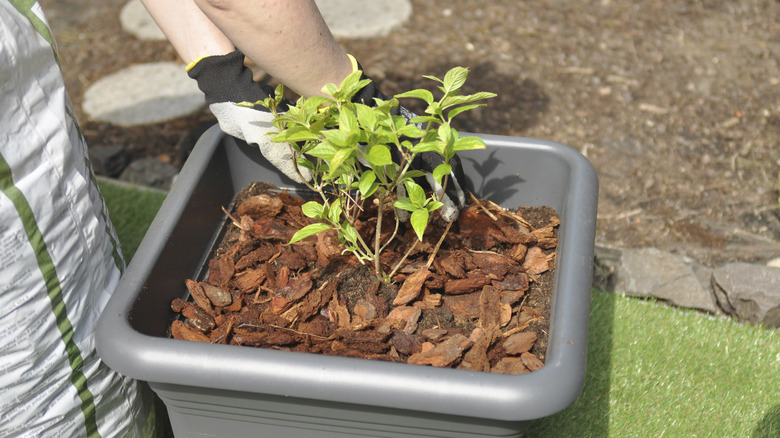
Moisture retention does more than reduce how often you need to water your plants and trees. For all the ways to use mulch in your garden, it plays a major role in overall plant health. Plant roots absorb water and nutrients from the soil, but swings between wet and dry conditions can stress plants, making it more difficult for roots to absorb water. Mulch works to keep soil levels more consistent, supporting healthy growth and nutrient uptake. Less water is lost before it reaches plant roots.
Potted plants can especially benefit from mulch since containers tend to dry out faster than in-ground garden beds. Container plants have a limited volume of soil, which means it is exposed to more heat and air circulation. A layer of mulch on top of the potting mix in your planters and hanging baskets slows that moisture loss. Since the soil stays moist longer, you'll likely save both time and money on watering.
The retained water also allows your plants to maintain cell structure, transport nutrients, and support photosynthesis. There are two primary types of mulch: inorganic and organic. While both organic and inorganic mulches help reduce moisture loss, organic mulch provides an added benefit of improving soil as it decomposes. As it breaks down, it releases nutrients that help support a healthy garden environment. Overall, mulching helps keep moisture available to plants, so roots experience less stress and growth remains steadier.