

What Is The 135 Rule For Plumbing?
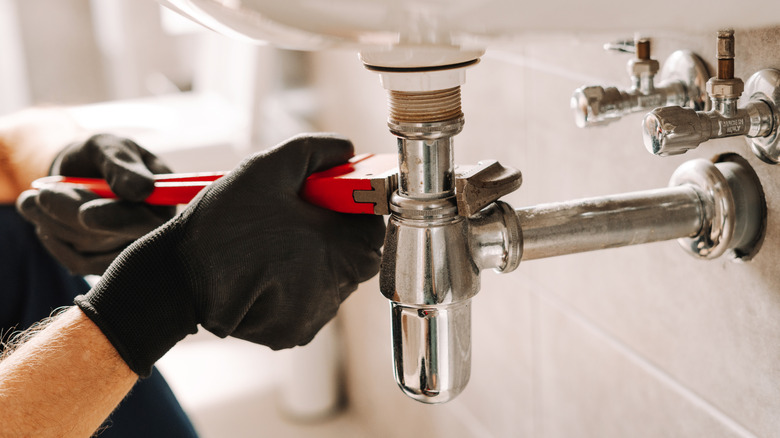
You're renovating your kitchen and decide you want to move the sink. Sounds easy, except you have to reroute some pipes around for drainage and water access. Still, it's work that will pay off in the end with a beautiful renovation. Or at least it seems to be the case. However, if you mess up your pipes by adding too many bends or sharp angles, it can cause serious damage down the line. This is why something called the 135 rule for plumbing exists. It's used to limit the total number of degrees that pipes should bend.
There is some confusion surrounding this rule. Some people believe that it stands for how long your pipe can be before you need a cleanout. Instead, it defines how many degrees of direction change a pipe can have. In any section of plumbing, there should not be more than 135 degrees of horizontal direction change before reaching a vent or a sewer cleanout.
To put it in simple numbers, 135 degrees is the same as one 90-degree turn and one 45-degree turn, or three 45-degree bends. However, you don't want to just put one sharp bend in a pipe to fit your new kitchen layout. Though this rule simply lists not to do more than 135 degrees, keep in mind that sharper turns are generally more prone to clogs. Instead of doing a sharp 90-degree bend, try to use something more gradual.
When you need to be concerned about the 135 rule of plumbing
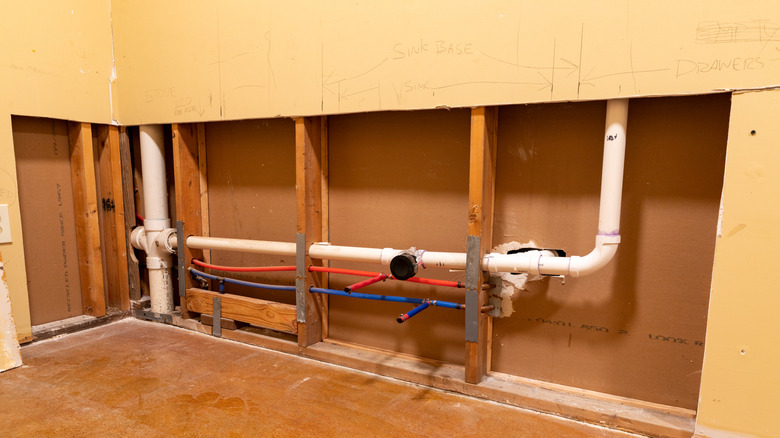
This problem will most often come up when you're doing renovations that involve moving sinks, tubs, dishwashers, or washers, and you need to include more plumbing to reach the new destination. However, it may be the cause of some existing issues in your home as well. Newer homes and modern plumbers generally follow these guidelines because they are incorporated into plumbing codes in many areas, but older homes may have some problematic bends. In some cases, that can contribute to recurring clogs. Of course, while it's rarer in new homes, mistakes can still be made, which is why you should schedule a plumbing inspection when buying a home to make sure everything is working properly.
It's not the only issue that can cause plumbing problems in older homes, but if you're experiencing recurring clogs, it's worth evaluating the number and severity of bends in the drain line. The problem mostly pertains to drainage pipes, as you are more likely to get clogs there, and you don't have full water pressure to move things along. However, this is a good rule to follow when adding supply lines as well. Excess pressure and turbulence at sharp turns can place additional stress on joints and fittings over time.
Why the 135 rule is important to follow
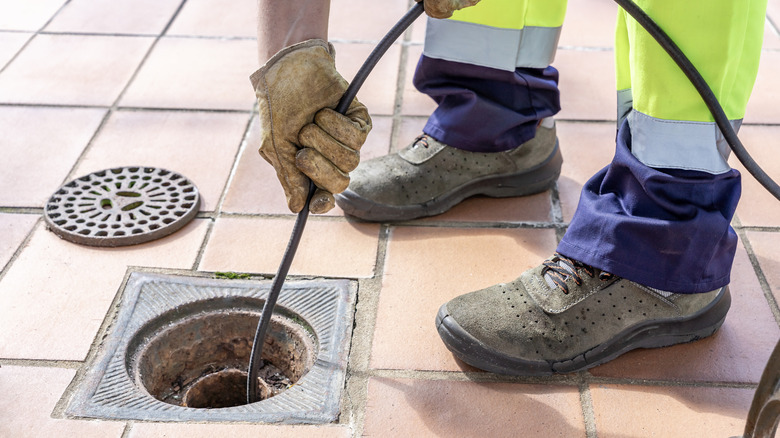
If you don't know much about plumbing, it may seem like an unnecessary rule, but it's an important one to follow. First and foremost, following this method helps to reduce the chances of clogs. Too many turns, or turns that are too sharp, can lead to frequent blockages. Unfortunately, snaking the pipes will only solve the problem temporarily. The clogs may continue to return unless the underlying issue is addressed. If the turns are too serious, it may also be hard to send cameras down or snake your pipes.
Depending on the location of the clog, it may also contribute to sewer odors. If it blocks or pulls water out of the P-trap, it's unable to complete its purpose and will release sewer smells throughout your home. Sewer gases can cause symptoms such as dizziness, nausea, and eye irritation in some situations. There is also a chance that a spark, flame, or match could cause a fire.
Another issue is the longevity of your pipes. Recurring clogs increase pressure within the plumbing system as water struggles to pass through. Over time, this can cause weakened seals, leaks, and burst pipes that turn into an expensive fix. It may limit how much you can alter a plumbing layout without significant work, but planning around proper drain design can save money and prevent future problems.