

Award-Winning Gardener Grows Over 1,000 Shrubs: The Rhododendron King
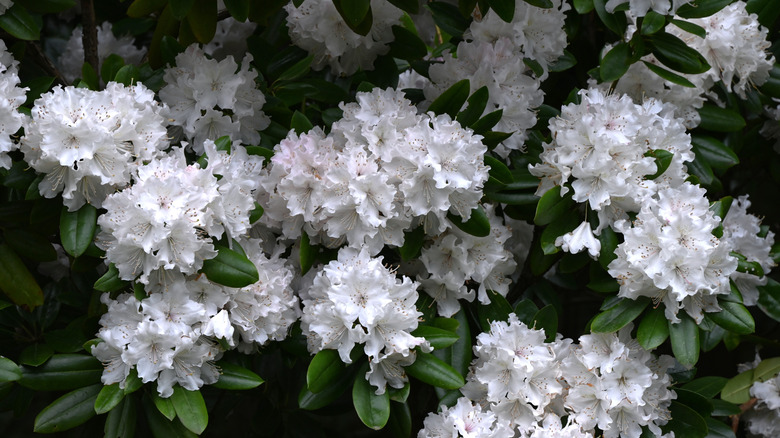
There's a good chance Mike Bones knows everything about the best ways to care for your rhododendron bushes. After all, he's been at it for 64 years — after being gifted a rhododendron at age 12 — and now has a jaw-dropping 1,000 rhodies growing at this nursery in Florence, Oregon. He is so revered and celebrated in the gardening world that he's known as "The Rhododendron King," though he says he doesn't know where the moniker came from. Bones is a rhododendron pro in a city and state that loves the plant. The city hosts the Florence Rhododendron Festival, the second-oldest flower festival in the state. Two rhodies are even native to Oregon, and Oregon State University calls rhododendrons "Oregon garden icons."
Rhododendrons go by their genus name and come in 1,200 species, just 200 more than Bones has shrubs in his nursery, not counting hybrids. They are cold-hardy in USDA Zones 4 through 8. The shrubs provide robust, showy flowers in a variety of colors — yellow, burgundy, white, pink, purple, and orange — and easily attract pollinators.
The first rhododendron Bones received as a pre-teen was the cultivar rhododendron 'Mrs. Furnivall,' better known as an azalea. He actually began splitting his pay between cash and rhododendrons while working for a local gardening legend named Agnes McCornack. His collection only grew from there.
Before retiring in 1999, Bones had a career as a ranger with the Oregon Parks and Recreation Division (running his rhododendron nursery on the side, of course). When he's not caring for his rhodies at his nursery, he's traveling to talk about them and participating in organizations dedicated to the shrubs. Yelp reviews for his nursery call Bones a "character" and praise his vast knowledge of rhododendrons.
The rhododendron king's experience provides guidance for home growers
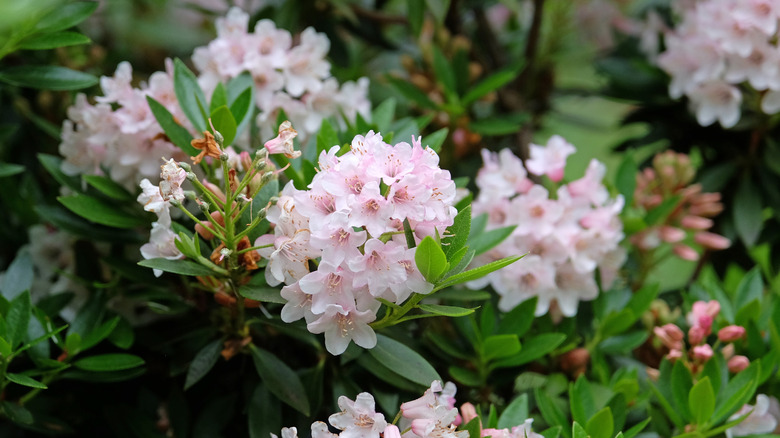
Rhododendron enthusiasts and beginners alike can benefit from Mike Bones' wisdom and experience. The first issue that people usually bring to him is whether azaleas and rhododendron are different plants and how to tell them apart. While several differences exist, Bones points to the easiest one — the number of stamens in the middle of the flower. "Azaleas have five, rhodies have 10, so rhodies are twice as good as an azalea," he said in an interview with The Oregonian.
Bones has a bone to pick with those who insist rhododendrons are shade plants. At his nursery on the Oregon coast, his rhodies get "100% sun," as he told The Oregonian, saying, "The more sun you have, the more bushy, tight and compact the plant is, and the more flowers." Shade is better for foliage and results in leggy plants, he says. The coast keeps the air in Bones' area cool, though, so less sun may be needed in hotter locales. Of course, with that amount of sun, Bones emphasizes how important plenty of water is for rhododendrons.
Instead of pruning rhodies, Bones told The World that he prefers to plan ahead during the planting phase. If he knows how large a given shrub will get, he'll be sure to put it in a place that will accommodate that size, leaving enough space to walk between shrubs. He also recommends using a limited amount of rhododendron fertilizer, using just two to three tablespoons per large plant, so long as rhodies are specifically mentioned on the bag.
According to Bones, the best way to propagate rhododendron for more gorgeous blooms is by taking cuttings in the fall, applying rooting hormone, and placing them in a 72-degree environment; Bones uses a heat strip to manage temperature. He's also a big believer in the pinch trick, pinching his rhodies after they bloom to supposedly create a bushier plant and force more flowers the next time it blooms. Considering how many of these pretty plants he has, his advice should go a long way.