

How The '60s Handled Home Building (And Why We're Glad It's Not A Thing Anymore)
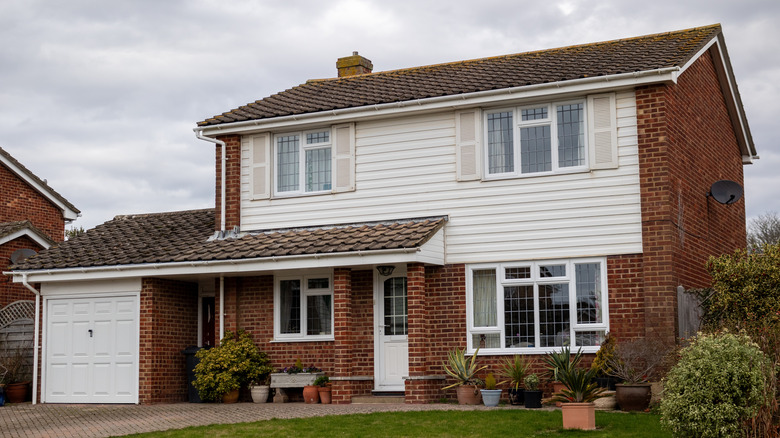
Sometimes the nostalgia and fascination we feel with eras of the past doesn't quite align with the reality of living in those times. Our obsession with the fun and playfulness of the mid-century era and the 1960s continues unabated, and historic homes are becoming increasingly popular with buyers, but we can still pause to appreciate how far we've come in areas like home construction. Homes in the 1960s were built with methods and materials that, in retrospect, were problematic and certainly don't hold up today. Insulation and plumbing are two particular trouble spots that have emerged in 1960s homes.
Insulation was not a big deal in the 1960s because energy was cheap. Building codes were just starting to require insulation in that decade; significant insulation regulations were announced in 1965. Still, air sealing — closing the gaps in every nook and cranny in the home so air doesn't leak out — wasn't mandated. Required R-values of insulation, which measure resistance to heat flow, were lower than today. Early on, R-8, providing 2 inches of insulation, was required; by the 1990s, the requirement increased to R-13.
The dominant 1960s plumbing pipe material was galvanized steel, used partly to replace dangerous lead pipes. Galvanization results when steel pipes are coated with zinc. Galvanized steel was seen as a cost-effective material at the time, but eventually, the zinc coating wears off, causing pipes to corrode and rust. Cast iron drain pipes, also used in the 1960s, corrode and deteriorate over time as well.
Insulation in the 1960s was missing or deficient
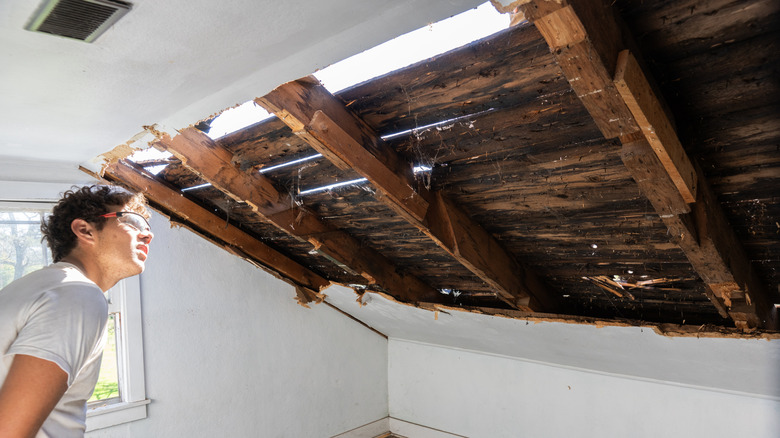
When baby boomers think back to the 1960s homes they grew up in, they're probably not recalling the drafty rooms, walls that felt like ice, and inconsistent temperatures from room to room, but the insulation situation at the time tells us that was likely the reality. Because of poor insulation, residents back then had a hard time maintaining comfortable temperatures once achieved and thus were challenged to cool off in the summer or keep warm in the winter.
Attics in those days rarely had sufficient insulation, allowing the warm air that rose through them to escape via the roof the home. Foam insulation was in its infancy then, so homes used fiberglass or cellulose insulation. Over time, these materials pack down, lose their thickness, or otherwise deteriorate.
A case study reported by BP Shoreline about a family living in a 1960s home noted that family members had to pile on extra clothes, deploy space heaters, and contend with rising energy bills before they upgraded their original insulation. If you live in a 1960s house and have some of these issues, you can determine what kind of insulation is in your walls and decide next steps. There's even a risk of finding insulation materials made of asbestos, so make sure you perform the proper tests to make sure removal is as safe as possible.
Galvanized steel and cast-iron pipes create problems in '60s homes
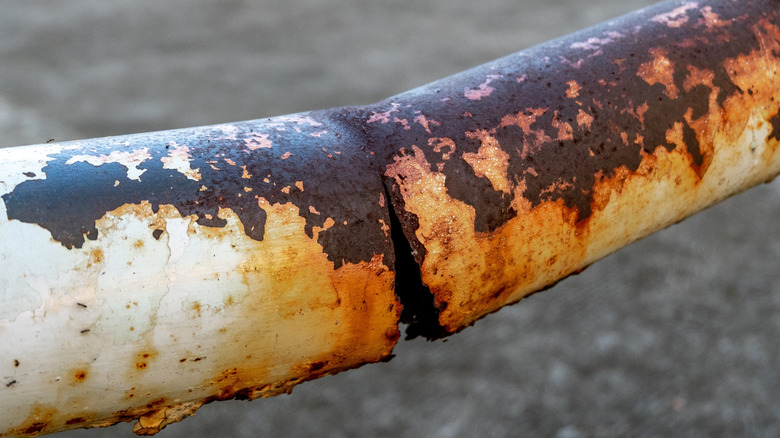
Galvanized steel pipes were intended to last 40 to 50 years, so those original to 1960s houses have seen better days. Rust that forms after the zinc coating is gone is more than a cosmetic problem — rust particles flow through the water, collecting in fixtures and impeding water flow. The next step in their deterioration is the development of leaks.
Cast-iron drainpipes are also reaching the end of their expected 60- to 70-year lifespan and are especially subject to rust and corrosion, which is exacerbated by using chemical drain cleaners. Their particular vulnerability is one of the things every pro plumber wants you to know about your pipes. Galvanized pipes in proximity to pipes or fittings made of other metals, such as copper, can undergo galvanic corrosion, an electrolytic reaction.
If you have a 1960s house, it's a good idea to find a plumber who has the tools and capability to inspect your pipes via video to see if yours are showing problems and decide if it's time to replace your plumbing. Also ask your plumber to scrutinize sinks to determine if pipes are leaking under them to save yourself from potential major issues down the line.