

Ditch Flowers: Here's A More Creative Way To Infuse Color Into Your Garden Beds
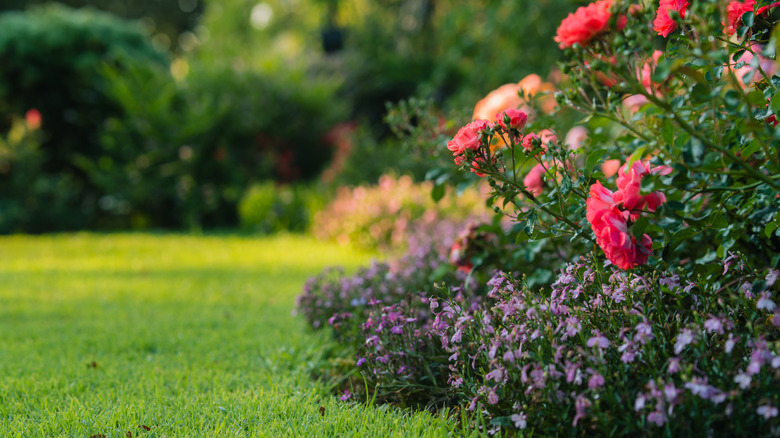
The most colorful garden you'll ever grow might not have a single bloom in it. While gardeners have long equated color with flowers, many have good reasons to eschew blooms in favor of foliage. Flowers bloom for limited periods and require deadheading and other maintenance. Gardeners are seeking more biodiversity in their gardens. Some gardeners or members of their household are allergic to flowers. For these and other reasons, a growing movement is making the case for foliage as the real star of the color show — leaves that hold their hues all season long, no deadheading required.
A foliage-only garden is easier to achieve than you might think. If you're skeptical that you could find enough colorful foliage plants to equal the effect of a flower garden, meet the colorful plants to grow in your garden that aren't flowers, including grasses, coleus, coral bells, hostas, and more. Some foliage colors are especially well represented, such as on plants with silver foliage that give your garden a fantasy vibe.
Try a foliage-only garden for unexpected color variety
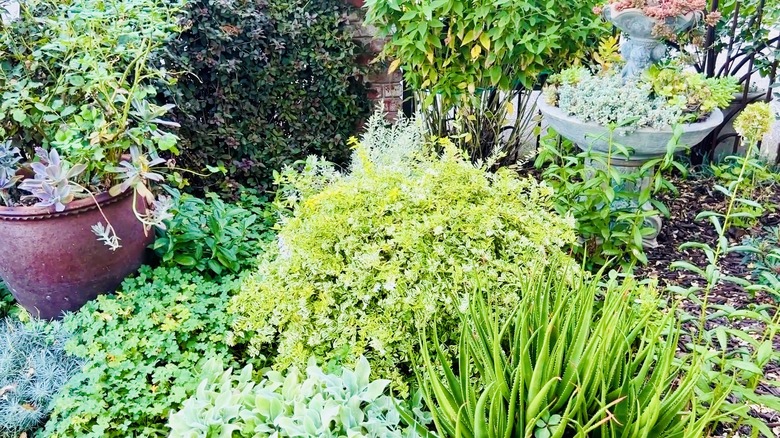
Obviously, green will be the dominant color in your foliage-only garden. In fact, you could hop on the green drenching garden trend; so many shades of green exist that you could saturate your garden with green plants and still display plenty of variety. Science has also shown green to be a calming, soothing color for humans.
If you'd like to move on from just green in your foliage-only garden, it's a good idea to choose a second theme color to build a cohesive garden around. Trying to pack too many foliage colors into your garden may result in a confusing mess. Instead, repeat your secondary color selectively across the garden to create a cohesive look.
A 2025 study in Frontiers in Human Neuroscience showed that the human brain seeks contrast, so contrasting colors can play a major role in your foliage garden, if you choose. You can also use color to create the illusion of a massive, lush garden with one simple planting trick – layering lighter-toned foliage around your garden space.
Look for variety in foliage color, shape, and texture
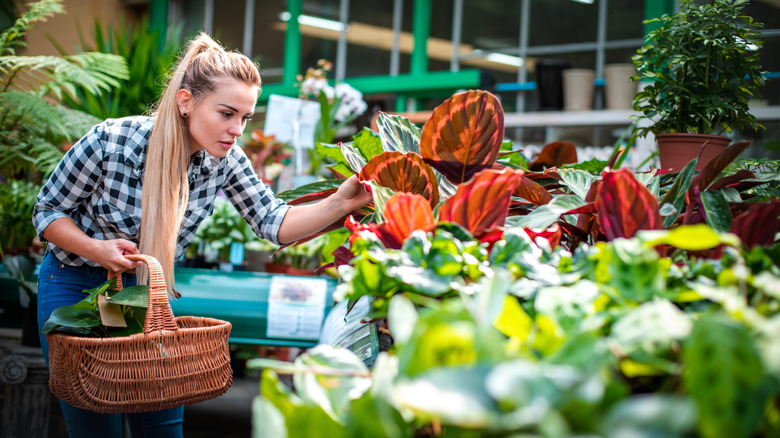
You can find an amazing variety of colorful foliage — from purples like sweet potato vine (Ipomoea batatas), coleus (Plectranthus scuttelarioides), and elderberries (Sambucus canadensis) to reds and burgundies, like ninebark (Physocarpus opulifolius 'Summer Wine'), caladium (Caladium bicolor), and barberry (Berberis) — and many more. Hit the foliage color jackpot with plants that come in varieties with variegated leaves, such as hostas (Hosta), variegated maiden grass (Miscanthus sinensis 'Variegatus'), and snow-on-the-mountain (Euphorbia marginata). Layer variegated plants against plants with solid color foliage for contrast.
Color is not the only way to provide contrast and interest in a foliage-only garden, however. Plant texture and shape both have a role in making your garden a feast for the eyes. Imagine a feathery pink muhly (Muhlenbergia capillaris) against a glossy-leafed cherry laurel (Prunus caroliniana). Picture slender grass foliage against the huge, heart-shaped leaves of elephant ears (Alocasia).
To make foliage gardening as easy as it can be, especially for beginners, group foliage plants with similar light, water, soil, and fertilizer needs close together. That way, you can care for all the plants in a single grouping at the same time.