

Why There's Simply No Need For Specialty Soil Blends
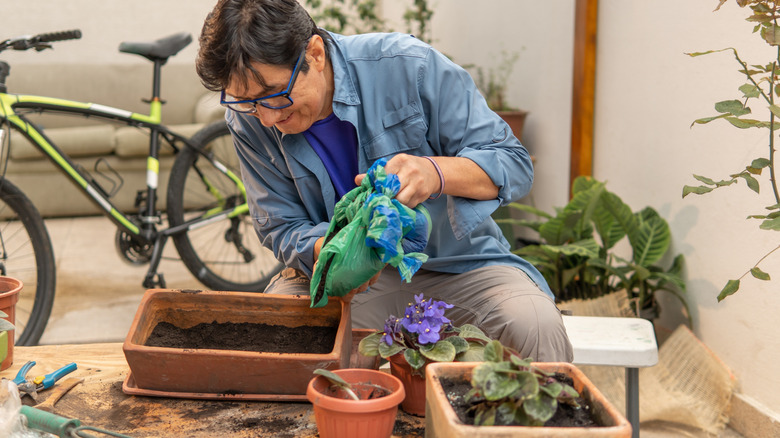
Premium succulent soil mix, quick-draining soilless growing medium, organic topsoil for lawn and garden ... It's enough to make a novice gardener's head spin. Making sense of specialty soil blends can be daunting, plus they often come with high price tags. Do your plants really need all these fancy soils to thrive? As it turns out, most plants won't keel over and die without a specially formulated mix. Almost all of your precious greenery, both indoors and out, is perfectly content to put down roots in simple, all-purpose, well-drained potting soil.
Garden soil needs a few key qualities to help keep plants healthy. Soil for outdoor plants needs to hold on to moisture and nutrients long enough for roots to absorb it. The soil also needs good air flow. Compacted or waterlogged soil reduces oxygen to the roots. Finally, your soil should provide stability, keeping the plant upright even in wild weather. It's all about striking a balance between density and pliability. Similarly, two qualities matter the most when selecting potting soil: structure and nutrient delivery. Opt for a crumbly mix that provides good drainage and airflow. You should also be sure the mix contains a moisture-retaining material, such as peat moss or perlite.
As you're perusing different options at the garden center, the idea is to choose soil based on your garden's needs. As mentioned, most plants simply need well-draining soil. However, there are a few species with specific needs. Plus, in some cases, your existing garden or potting soil may need improving. This is where soil amendments and easy DIY soil mixes that help plants thrive without waterlogging become more important. Understanding what to add to an all-purpose soil is an invaluable skill that will help you avoid the specialty potting mix trap.
How to choose or create the best soil for your plants
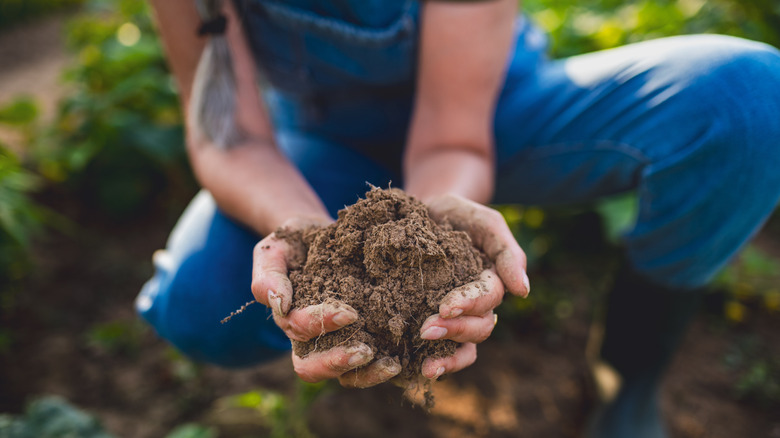
Minor adjustments to a basic potting mix or topsoil can help you grow healthier plants without needing to spring for expensive specialty soil blends. Amendments can also make your existing garden soil more sustainable by improving its nutrition or texture. There are lots of old-fashioned ways to revive garden soil, and how you do it today is much the same. For instance, if you need more drainage for a coastal plant, such as sea holly (Eryngium maritimum), add sand or perlite. If you need to lower the soil pH for acid-loving plants like azaleas (Rhododendron spp.) or blueberries (Vaccinium spp.), incorporate peat moss into the garden bed.
You can also create your own speciality soil blends tailored to your gardening preferences. For example, one of the best DIY soil mixes for container vegetable gardens is two parts compost, one part coconut coir, and one part vermiculite. A blend of 10 quarts coconut coir, 5 quarts perlite, 5 quarts vermiculite, 5 quarts screened compost, and 2 cups sand is an excellent mix for potted plants. For raised garden beds, use a mix of one part native soil, one part aged compost, and one part peat moss. Adjust the ratios as required — to increase nutrients or aid drainage, for instance.
There are rare scenarios where specialty blend soils are useful. Orchids and cacti are two exceptions; these plants have highly specific needs that can only be met with special soil formulations. Potting or garden soil with fertilizer mixed into it by the manufacturer can also be useful, though it typically boasts a higher price tag. You'll likely have to adjust your normal feeding schedule until what's already in the soil is spent. Avoid potting mixes with chemical fertilizers for vegetable beds.