

Beautify Your Landscape With A Summer-Blooming Shrub That Backyard Pollinators Will Love
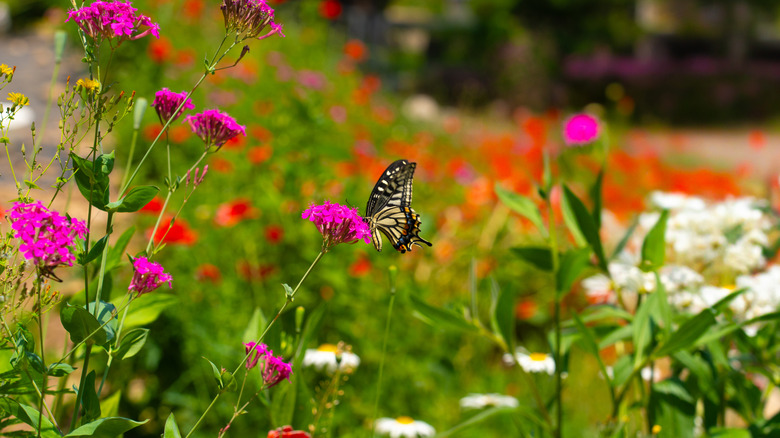
For many people, the idea of starting a pollinator-friendly garden often exists in association with spring. The beginning of the growing season, flowers just starting to open, and early-season pollinators appearing after a long winter — these motifs are what help give spring that feeling of fresh life. However, spring isn't the only time that pollinators are around. In fact, while some types of pollinators, like certain bees, are more active in the spring, other common pollinators reach their peak in activity during the summer months. As a result, when you utilize summer-blooming plants and attract more pollinators to your garden, you can enjoy the life and vibrancy your local wildlife has to offer for longer.
Also known as goatweed, St. John's wort (Hypericum perforatum) is a showy shrub that can boost the visual appeal of your garden all while attracting a range of pollinators. It blooms throughout the spring and summer with notable yellow flowers, making it a bright and vivid addition to your garden. St. John's wort is a hit among bees and butterflies, and it's also a plant used to attract more hummingbirds. While you may initially add this eye-catching shrub to beautify your landscape during the summer and attract pollinators, it also offers wildlife appeal outside of the growing season when birds visit to eat the seeds.
How to grow St. John's wort for pollinators
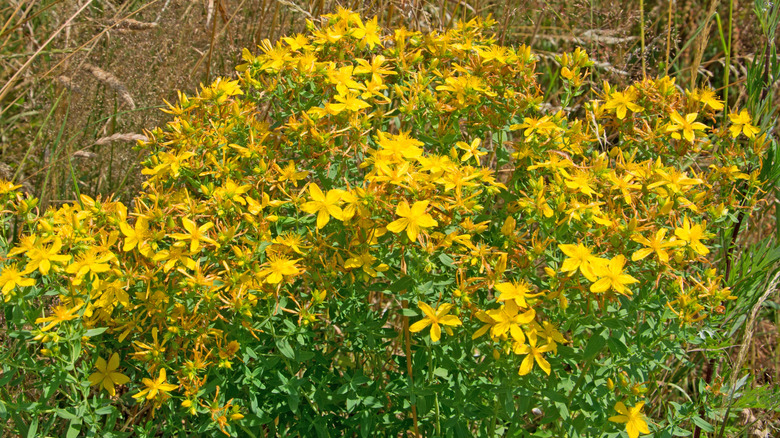
Before deciding to add St. John's wort to your garden for pollinators, there is one important thing to keep in mind: growth. This plant is a strong grower, spreading easily throughout the garden and even becoming invasive in some areas. In fact, it's one of many plants considered to be invasive along the West Coast. As a result, double check with your specific region and local guidelines before shopping for this plant. The last thing you want is to introduce a beautiful but potentially invasive species when your goal is to give your local wildlife a hand and attract more pollinators.
For those in areas where it's safe to plant St. John's wort, start by checking your growing zone. Since it's a perennial, you'll want to be able to take advantage of its year-after-year growth. You can also grow St. John's wort in a container, which allows you to more readily maintain its growth and prevent spreading all while overwintering indoors if you're outside of its hardiness zones. However, this plant is winter hardy in zones 3 through 8, which allows it to thrive in a wide spread of climates.
St. John's wort should be planted in a location with either full sun or partial shade. It's not picky about soil specifications in terms of type of pH, but it does need good drainage. It's tolerant of drought and poor soil, which is one reason it can be such an easy plant for beginners.