

Not In The Driveway Or As Mulch: The Eco-Friendly Material Making Gardens Beautiful In 2026
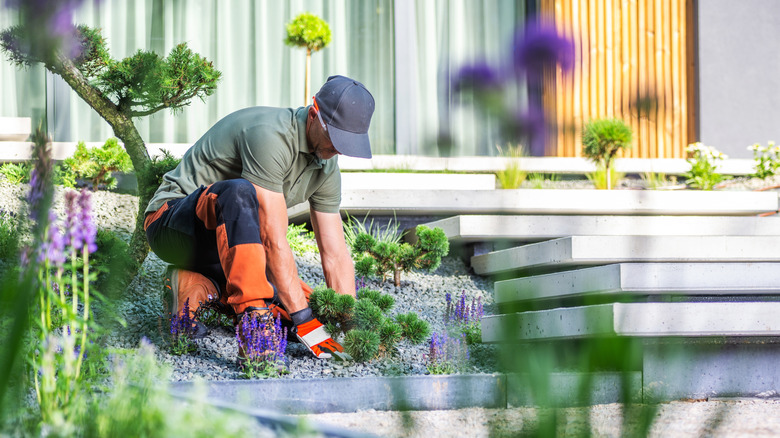
From driveway borders that boost curb appeal to eco-friendly mulch options that improve soil conditions and plant health in your garden, new ideas are constantly emerging that can bring out the beauty of your yard without compromising on sustainability. But one eco-friendly material making its way into gardens in 2026 that really makes them beautiful without all the fuss over function is seashells.
Landscape designers are raving about the many uses for crushed seashells to elevate your backyard aesthetics. While you could use crushed seashells to either line your driveway or mulch your garden beds, they may look better on your patio, between pavers, or along the pathways around your home. When applied correctly, they bring a beachy spa aesthetic while also improving the quality and durability of your garden and pathways. Coastal resort vibes seem to be all the rage for backyards in 2026. In fact, the style was cemented as a 2026 trend in the RHS Chelsea Flower Show, where crushed clam shells were featured as a sustainable garden path material.
The best way to use crushed seashells in your garden in 2026
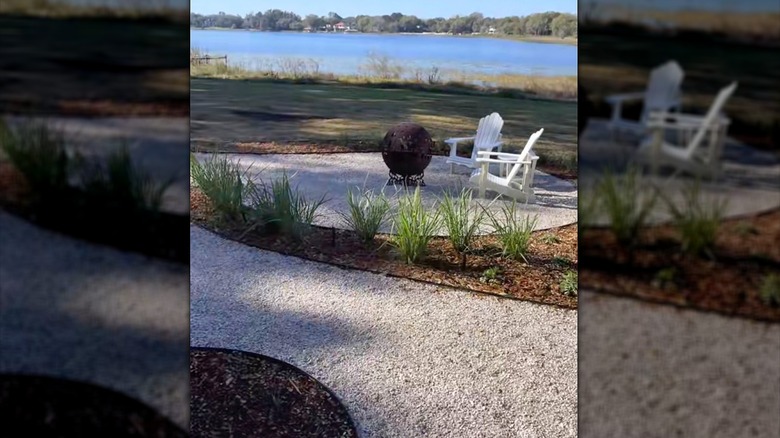
Many gardeners promote the use of crushed seashells in garden beds as mulch that prevents weed growth by blocking and reflecting sunlight. But while this beachy mulch alternative is effective and beautiful, it can have a stinky problem, especially if you use fresh shells. That's why, instead of lining your garden beds with decaying shells that are sure to create an odor when they inevitably get wet, you can purchase landscaping shells or clean your own shells with vinegar before adding them to your yard.
However, according to recent trends, there's a better way to use crushed seashells in your garden in 2026 — simply add them to your patio or pathways. Not only do crushed seashells make the backyard look coastal and weed-free, but they can also make it more sophisticated by bringing in a private resort vibe. If applied in between pavers, seashells can prevent weeds from creeping up, and along paths, they interlock and reduce the risk of holes compared to alternative options.