

It Was A Popular Gardening Practice In The '70s — But Is It Still Worth Doing Now?
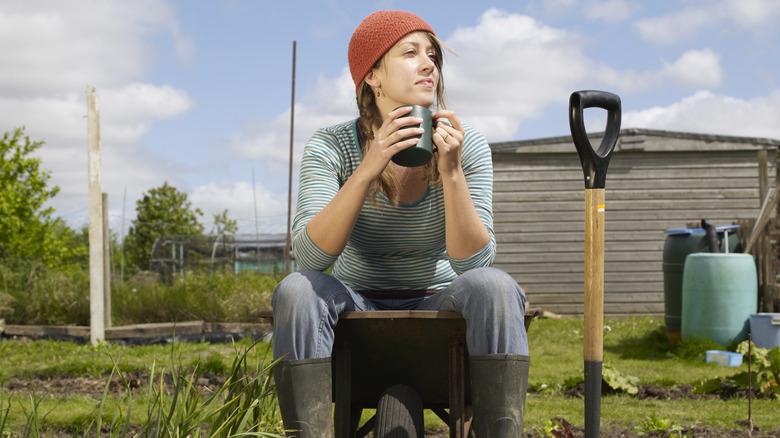
Gardener preferences for preparing soil have evolved dramatically over the last 50 years to the point where many advocate a no-dig or no-till approach. Half a century ago, gardeners were not only enthusiastically tilling and digging to start gardens; they were double digging, using a specific method of digging as much as 2 feet into the ground. Like most gardening methods, double-digging offers both pros and cons. The biggest con for many is that digging requires strenuous physical labor. Given that other methods offer similar benefits, gardeners have largely abandoned double digging because the time and backbreaking work involved may outweigh any advantages. Some double-diggers still swear by the process, and it is still seen as useful as a way to fix compacted soil when nothing else has worked. But for many gardeners, double digging is one of those old-school gardening habits it's time to let go of. The method also has several other downsides, including potentially negatively affecting soil structure.
Double digging is an ancient practice that actor and artist Alan Chadwick popularized in the United Kingdom in 1967. Chadwick brought double digging to the United States, where gardener John Jeavons began using the technique around 1972. Jeavons got Americans excited about double digging by featuring it in a 1974 book, irresistibly titled "How to Grow More Vegetables Than You Ever Thought Possible on Less Land Than You Can Imagine."
Double digging is hard work that may do more harm than good
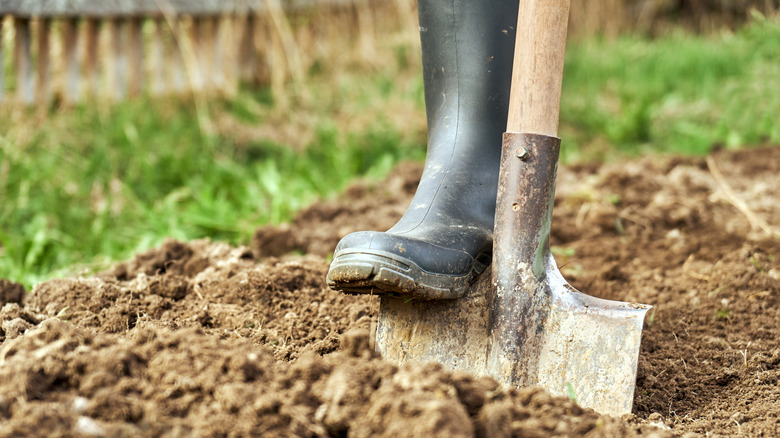
The process of double digging involves digging to the depth of a spade (about a foot), setting the soil aside on a tarp or wheelbarrow, and then breaking up the soil under the first dig. At this point, compost and any other needed amendments are added. Then, the original top layer is then returned to its original spot. Major advantages include loosening soil to a greater depth than a rototiller, aerating the soil, and making nutrients available. While the idea of delivering nutrients deeply into the soil is alluring, a number of harmful things happen when you dig that deeply into the soil. Some microorganisms die, which may be enough of a reason to think twice before double digging your garden. The existing earthworm habitat is also destroyed, and while double digging does provide aeration, the worms could have done the same thing with air-filled tunnels they build.
Just as tilling is a popular gardening task that may be making your weed problem worse because it brings up deeply buried weed seeds, so is double digging. Weeds gravitate to the disturbed soil that double digging creates. The practice may place nutrients unnecessarily deeply in the soil, given that most feeder roots don't extend to the 2-foot depth the method prescribes; moreover, the digging can disrupt mycorrhizal networks that help roots take up nutrients. While some situations may warrant double-digging, most gardeners will likely find it not worth the work or the damage it can do to the existing soil structure.