

For Driveways, Paths, And Patios: The Versatile Gravel Type You Can Get In A Budget
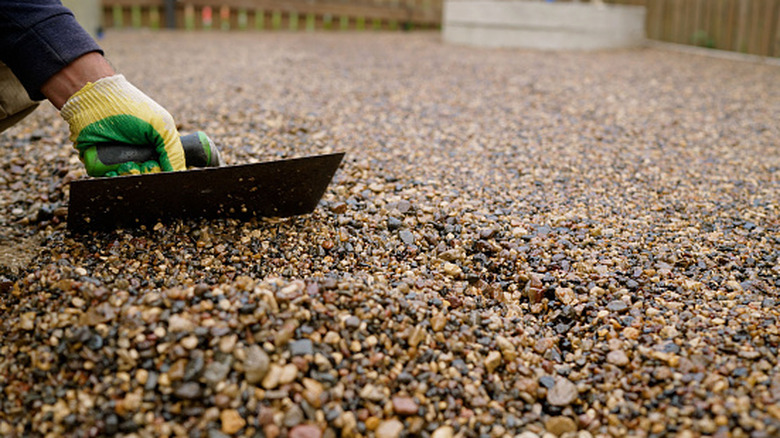
You may believe that creating a durable driveway, garden path, or patio will require expensive materials. However, there is a versatile option widely used across residential and commercial projects that provides a strong foundation without the price tag of other decorative stone. Three-quarters of an inch to 1.5-inch construction gravel is one of the most practical and budget-friendly choices for your projects because it provides excellent drainage and a natural appearance.
Construction gravel is made from crushed stone that is sourced from quarries. Depending on where you're located, it can consist of different types such as limestone, granite, or other locally available stone. Unlike smooth river rocks naturally rounded by water, construction gravel is mechanically crushed into angular pieces. The rough edges help the stones interlock when compacted into your driveway or patio space, creating a stable surface that resists shifting under foot traffic or vehicle weight. One of the big reasons for its popularity is its affordability. Decorative landscaping materials such as river rock cost between $65 to almost $100 per cubic yard. The standard construction gravel costs only around $36 per cubic yard. Pricing will depend upon the grade, supplier, and location, but for big projects, the cost difference makes it appealing, and savings can add up quickly. You can ditch concrete for a more affordable choice on your driveway, patio, or pathway.
Where construction gravel works in your landscape
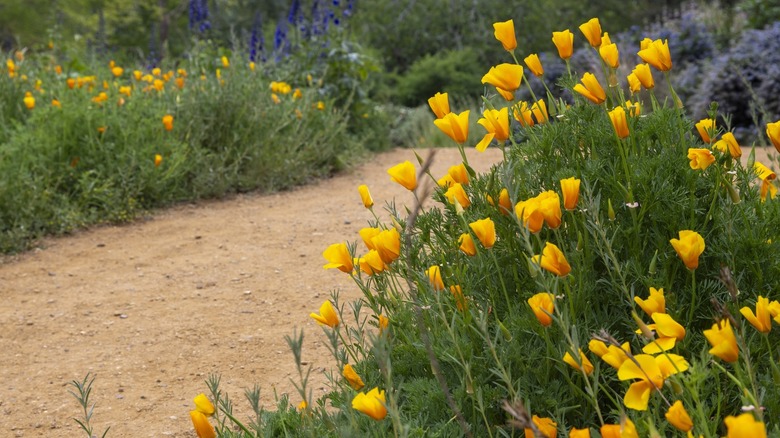
The size of gravel used depends on the application. For driveways, installers use larger stones measuring 1.5 inches to 2 inches for the base layer, then top with smaller gravel that's ¾ inch to 1 inch for a smooth driving surface. Garden paths, one of the best ways to use construction gravel in your landscape, work well with the same gravel sizes. The gravel depth for driveways is between 4 and 6 inches, while pathways and patios need about 3 to 4 inches.
The crushed stone provides a natural-looking walkway that complements a variety of styles to suit your aesthetic, from a rustic cottage garden to modern outdoor spaces. Since gravel surfaces provide good drainage, paths won't become muddy after rain and storms. Installing landscape fabric underneath or a gravel-reinforcing mesh grid can improve performance by reducing weed growth and keeping the gravel separated from the soil below. Proper preparation is key to creating a permeable surface that allows rainwater to soak into the ground rather than pool.
Construction gravel can also be used to create patios. Many homeowners choose concrete pavers for a patio, but gravel can offer a more affordable alternative. The material can be shaped to fit irregular spaces with curves and dips much more easily than poured concrete. Pairing the gravel with edging materials such as wood, steel, or stone helps to keep the surface contained and looking tidy. Maintenance is minimal, but you will need to rake the gravel occasionally to keep the surface level and even. Over time, you may also need to add new gravel to maintain proper depth.