

Why There's Simply No Need To Splurge On Expensive Garden Mulch
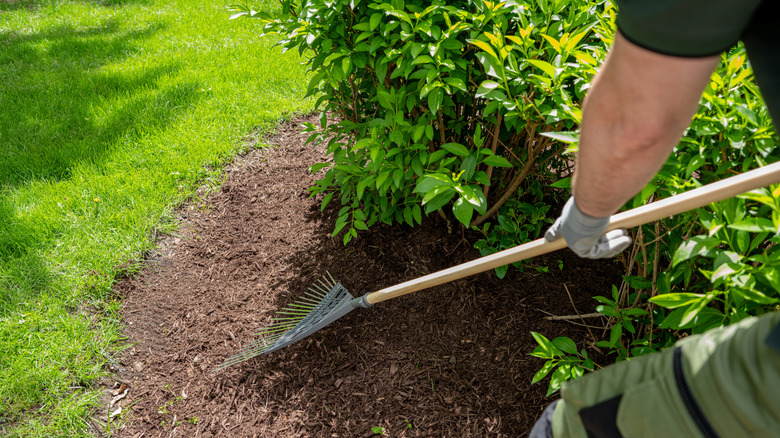
Every gardener knows that once spring arrives, garden centers start telling you the best type of mulch for your garden. Homeowners get tempted by expensive, premium bags of decorative bark, dyed mulch, rubber products, or decorative stone marketed as elevating aesthetics. Mulch plays a key role in suppressing weeds, retaining soil moisture, and regulating temperature, so there is simply no need to drain your landscaping budget on these high-end options, given that they're usually just for aesthetics, delivering similar core benefits as common wood chips.
Landscaping also happens at scale, not in a single container. With there being many ways to use mulch in your yard, your property may need dozens of bags, quickly draining your finances.
Artificial dyes used to color premium wood chips look nice, but they can potentially leach chemicals into your soil. Rubber mulch can present the same hazard while getting super hot during summer, stressing nearby plants. Decorative stones are a one-time installation, not needing to be regularly replenished like mulch. However, they don't offer your soil any nutrients, can similarly magnify heat, and don't create a snug fit mulch, allowing weed seeds to blow in and settle.
What are some superior, budget-friendly alternatives?
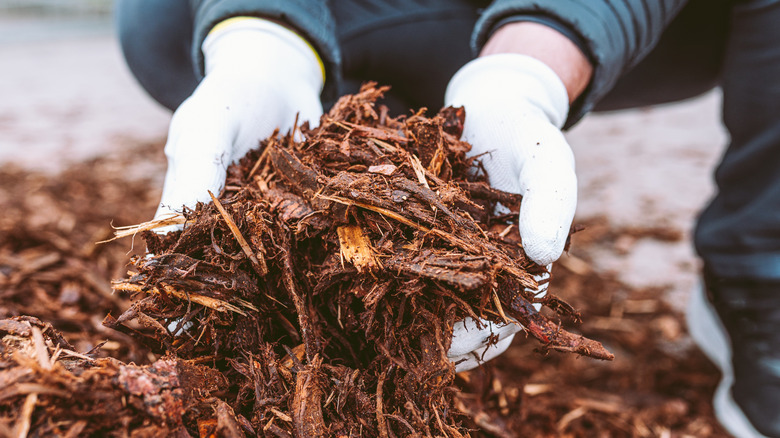
It's true that some premium mulch options offer genuine biological advantages over the cheapest bags of mulch on the shelf, like high-quality compost or hardwood bark. Still, despite premium options beating cheaper ones (which often come from low-quality recycled sources), they don't always top what nature provides for free. Unless you have a larger landscaping budget, you're better off skipping bagged mulch. Instead, you should consider utilizing local resources that'll perform the exact same without costing a buck.
There are plenty of good ingredients to use in your DIY mulch. If your property has mature trees, fallen leaves are a hard-to-beat free mulch option. While pricey cedar takes years to break down and enrich the earth, shredding dried leaves with a lawnmower creates a nutrient-dense layer that's far more useful.
For garden beds, shrub borders, or pathways, wood chips are another practical alternative. So instead of buying bags of bark at the store, just contact local arborists or tree services; many can drop off a load of fresh chips for cheap (or even free). A thin layer of grass clippings also makes good mulch, as it decomposes quickly, sharing its nutrients with your soil faster.