

Not Hostas, Not Spiderwort: The Pretty Border Plant That Thrives In Clay Soil
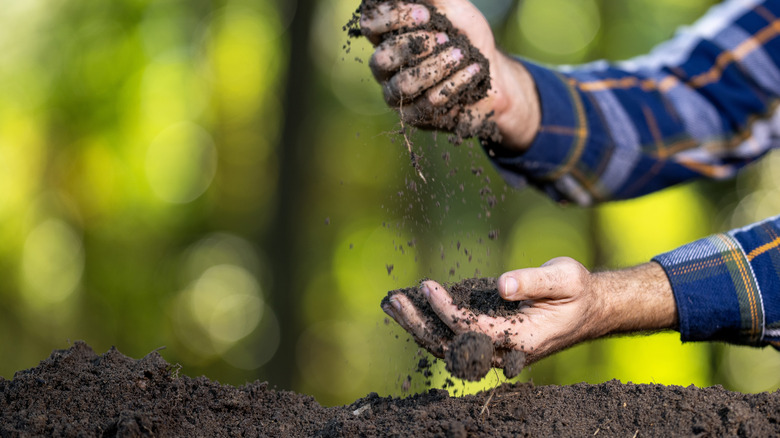
Clay soils are a pain to work with. When dry, they compact into a hard mass that's more likely to break your shovel than to allow it to penetrate the soil for planting new plugs. When wet, they turn into a sticky mess, taking forever to dry and keeping air pockets blocked for an inordinate amount of time. As roots struggle to grow in this soil type, not many plants enjoy life in compacted clay. But nature always finds a way to transform a problematic area into a thriving landscape (just look at weeds), and you can beautify your clay patch by growing the obedient plant (Physostegia virginiana).
As one of many beautiful plants that thrive in clay soil, obedient plant offers a refreshing take on landscape design that doesn't rely on typical shade-loving beauties like hostas and spiderwort. If you get nursery starts into the ground after the last spring frost – as late as June in some areas — you'll experience a heavy burst of purplish-rose petals beginning in midsummer. The blooms open from the bottom up along tall spikes and resemble dragonhead flowers, which explains the plant's alternate name: false dragonhead. Their billowy, wildflower-like form, paired with their deer resistance, makes them excellent additions to mixed, cottage, informal, and natural borders, though they may be a bit aggressive for formal or curated gardens. After all, they grow vigorously and spread through rhizomes (underground stems). To counter that, gardeners instead grow "Miss Manners," a naturally occurring variant that isn't as aggressive, or plant them alongside other fast-growing plants.
Obedient plants make attractive plantings for clay soil
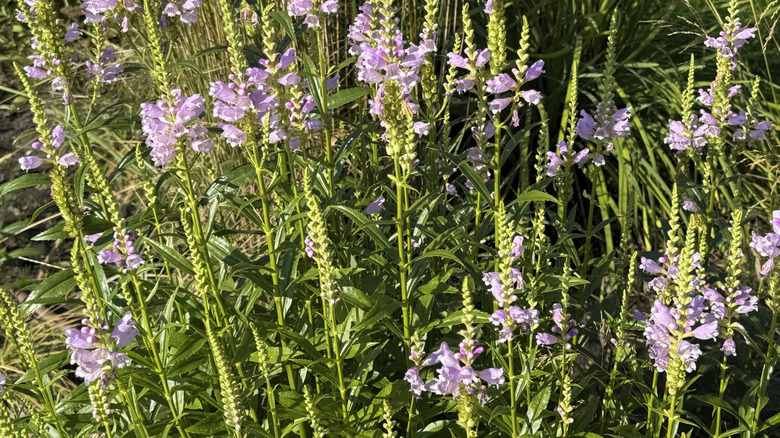
In the wild, obedient plants inhabit odd spaces like wet ditches, woody seeps, damp barrens, thickets, swamps, low-lying wetlands, and riverbanks. In other words, they're no strangers to poor drainage, a gnarly issue with clay soils. Better yet, once they settle into the ground, they can tolerate dry conditions. So, if you struggle to gauge whether your clay soil is wholly dry or just dry on the surface, odds are they just might survive your guesswork. Another bonus? They also tolerate occasional flooding.
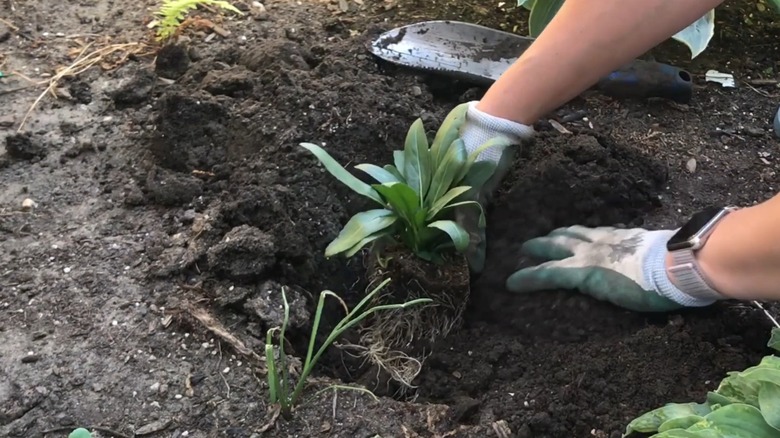
It also helps that clay soils are generally fertile, as they don't readily leach nutrients. As a result, you can do without supplemental feeding during the growing season, which can help prevent the lanky growth sometimes caused by excessive fertilizer. That said, it's still good practice to work aged compost into the planting areabefore installing plugs or sowing seeds. This can improve heavy clay soil in your garden and make up for any missing nutrients.
As mentioned earlier, obedient plants can be aggressive or weedy in the landscape, which isn't surprising considering they belong to the mint family. However, in an interview with Gardenista, ecological garden designer Kelly D. Norris notes that if your clay soil is particularly heavy, you may have a better time keeping their spread in check. If not, since volunteer seedlings root superficially, you can easily thin or pull them out where unwanted.
Use obedient plants for themed gardens
Obedient plants are native to many eastern and central U.S. states. If they're native to your area, consider building a native plant garden around them. As companion plants, pair them with other clay-tolerant natives such as goldenrods and beebalm. You can even step up your game by turning your clay patch into a pollinator paradise. Ruby-throated hummingbirds, long-tongued bees, bumblebees, and monarch and sulphur butterflies all enjoy obedient plants' nectar and may readily visit your garden when food supplies start to dwindle toward the end of the growing season. Be sure to regularly clip off faded flowers to stimulate reblooms into fall (November in mild areas). You can also fill your garden with pollinators by growing these plants alongside coneflowers, swamp milkweed, Joe Pye weed, blazing star, and lobelia, which are just as adept at thriving in clay soils.
However, don't fall afoul of the cardinal rule "right plant, right place." Obedient plants grow perennially in USDA Zones 2 to 9 and require full sun exposure. Although they can withstand some shade, they may grow leggy if they deem it to be excessive. Since they grow quickly, be prepared to separate their clumps every second year to keep them contained and gift extra to your gardening friends. Alternatively, sink the pot into the ground around the plant to establish stronger boundaries. But if you're looking for quick coverage and weed suppression, just give them free rein — they'll happily occupy the free real estate.