

Can You Use A Portable AC In Your Apartment? Here's How To Check
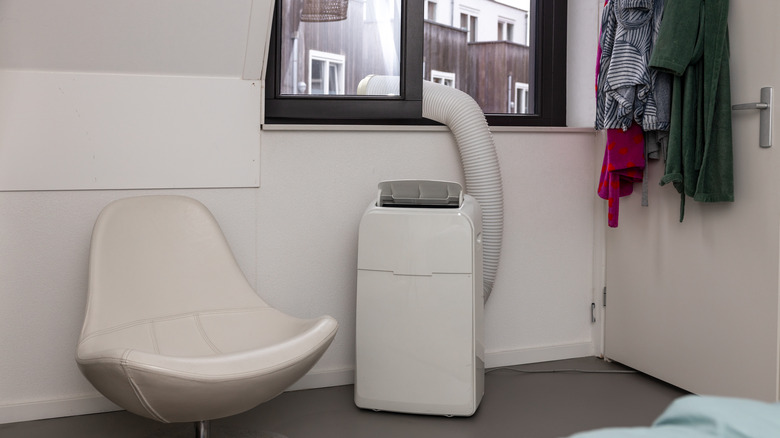
As the heat of summer intensifies, renters look for portable cooling solutions to fend off the heat of the day and bring a relaxing night's rest. What you may not be aware of, however, is the regulations and laws about using portable AC units in your apartment. Some locations allow landlords to ban the use of portable AC units due to potential electrical problems or safety hazards. Other locations have regulations that prevent landlords from implementing these bans due to heat concerns. So, how do you find out if you can use a portable AC in your apartment? Check with your local housing authority and review your lease.
You may be surprised to learn that many landlords don't want tenants using portable AC units. It becomes much easier to understand once you realize there are many downsides to using a portable AC unit that may have you rethinking using it in your home. For example, portable AC units are known to be noisy, require ventilation to work properly, can raise your electric bill, and may have drainage issues that can lead to property damage. However, landlords can only do so much in areas with dangerously high summer temperatures. To mitigate the concerns for landlords and public health concerns, local housing authorities implement regulations regarding what is and isn't allowed in rental units when it comes to portable ACs. In Washington, California, and Oregon, there are laws prohibiting landlords from imposing restrictions on a renter's chosen cooling unit.
What renters should know before using a portable AC in their apartment
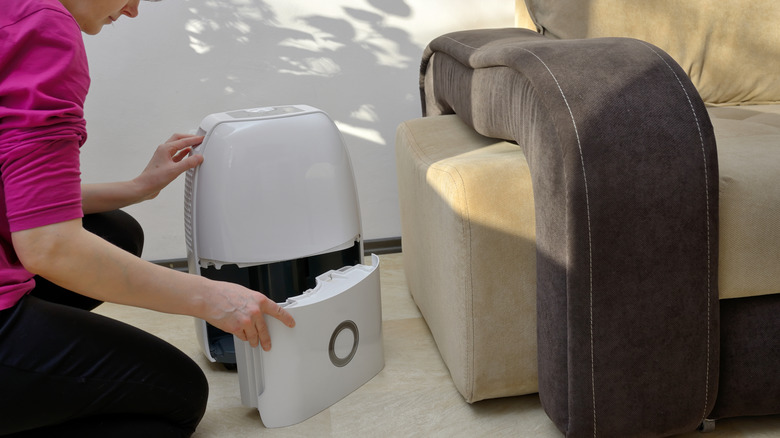
Start by looking at your state and county laws regarding cooling units in rentals. Then, reference your lease. Look for any HVAC clauses regarding cooling units. Just because landlords can't prevent you from having a cooling unit, it doesn't mean they have no say at all. Landlords can still restrict the type of unit you can install or prevent the use of portable units by installing a permanent unit.
The concerns surrounding portable AC units aren't without merit. First, you need to determine if it is safe to use a portable air conditioner in your apartment. Proper ventilation is one way to ensure safe portable AC conditions. Most units require ample ventilation through an external window to prevent overheating. Ensuring the outlet you plan to use can handle the energy requirements of the unit is also important. Renters should take care to select models that work with the apartment and reduce the risk of damage or increased electric bills. You can do this by buying a quality conditioner like Consumer Reports' highest-rated portable AC unit, or asking your landlord for recommendations.
How landlords protect themselves from potential damages
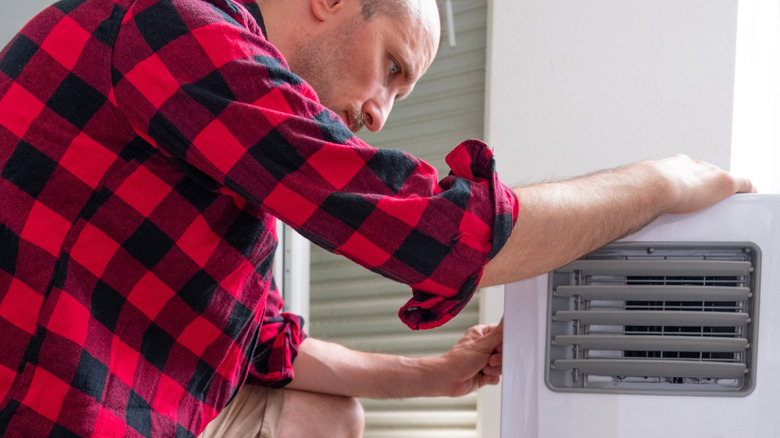
Landlords generally attempt to restrict the use of cooling units in apartments due to concerns regarding utility costs or damages. If a landlord pays the utilities, adding a cooling unit, especially a portable one, can significantly increase electric bills. In addition, improper installation of free-standing units can lead to damage, including damaged window sills or water damage from improper drainage. To prevent these issues, landlords often attempt to restrict the use of portable AC units in apartments. Even in locations with restrictions that prevent landlords from banning portable AC units altogether, there are concessions they can use to get around these laws.
For example, if the installation of the portable AC unit will violate any safety laws, break warranties, or cause unreasonable damage to the property, landlords in Washington can still prevent renters from having one. Some landlords will also restrict the use of specific units, but allow certain free-standing units to reduce potential damage. Before installing a portable AC, it's always best to consult your local laws and alert your landlord that you are in need of an extra cooling unit.