

Green Roof Out Of Budget? Try This Energy-Efficient Alternative Instead
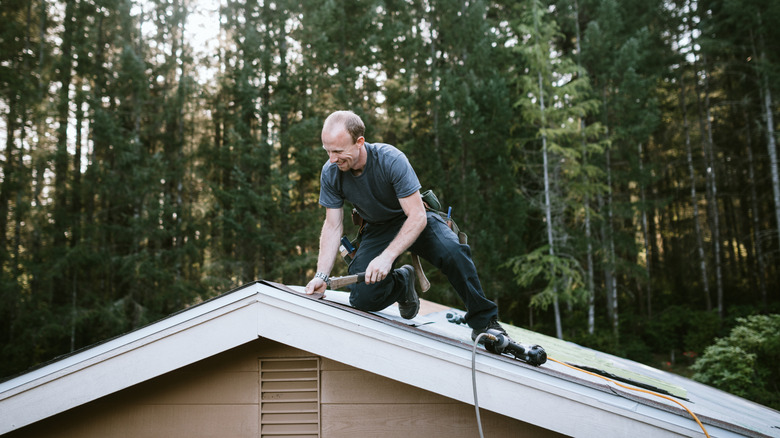
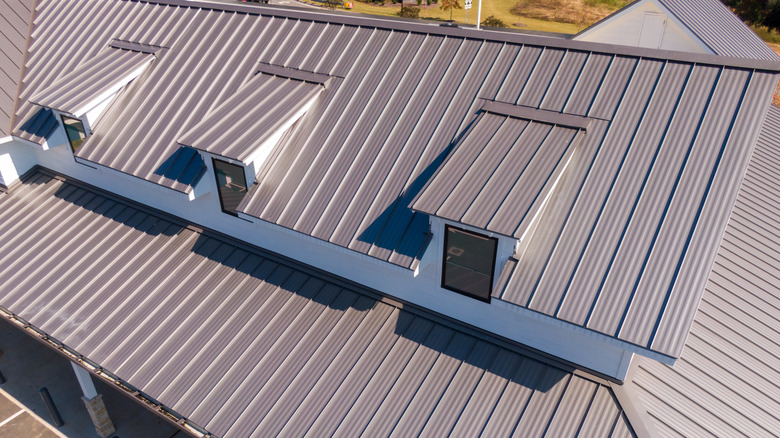
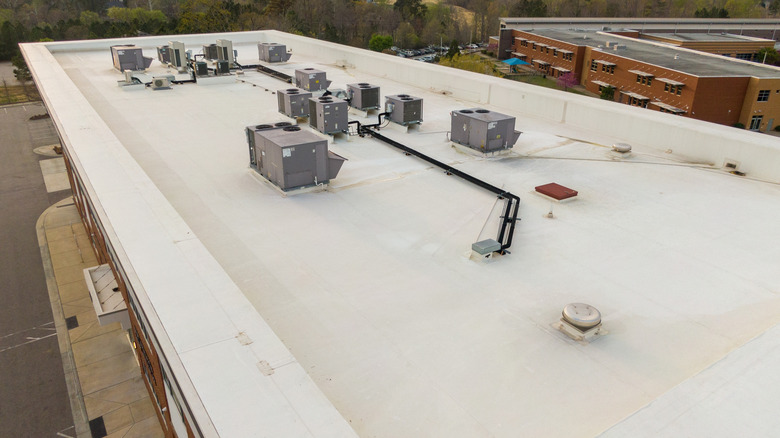
One of the big advantages of having a good roof is being able to counter extreme heat in the summer and retain warmth during the colder months of the year. That's one reason that green roofs have grown in popularity the past few decades. This trendy rooftop design uses vegetation as shade to help control roof temperatures and has been shown to stay up to 56 degrees Fahrenheit cooler than conventional roofs. But there's another option worth considering: the cool roof. These roofs are also highly effective at reducing heat absorption. However, unlike green roofs, cool roofs don't require any living plants, but instead are built with sun-reflective roofing materials that help them maintain a cool surface. These materials typically include asphaltic membranes, reflective coatings, and asphalt or metal shingles.
Ultimately, both systems are a type of roof style that can lower energy costs, but the way in which they're able to do this is very different. For example, they vary greatly in areas regarding installation, maintenance, and structural requirements. While green roofs clearly have advantages as it relates to utility savings and temperature regulation, cool roofs seem to be a worthy roofing competitor for homeowners prioritizing affordability, simplicity, and ease of upkeep. This being stated, understanding the biggest differences between these two roofing options is really just as crucial as comparing their potential cost savings.
Cool roofs offer similar savings at a lower cost
If you're doing a side-by-side comparison of cool and green roofs, you'll discover that their energy savings are very similar, with a study from the U.S. Department of Energy's Argonne National Laboratory showing that cool roofs reduced energy demand by 16.6%, compared to that of green roofs which was only 14% — so not that big of a difference, but one that could become more significant in hotter climates. However, picking the best roof for your home may come down to the vast differences in their configuration and long term care.
Green roofs, for example, require robust roof membranes for waterproofing, protection, and drainage during installation, in addition to other supportive structures, which raises installment costs significantly. On average, green roof installation costs roughly $10 to $25 per square foot, while installing cool roofs is generally simpler and oftentimes, much cheaper. A basic cool roof can costs about $3.50 to $5 per square foot, depending on the material used. Cool roofs also don't require such structural complexity, which generally makes them a more affordable option to install.
Why cool roofs may be a smarter investment
The cost differences really don't end once the roof is installed. Performing a repair on a green roof, such as a leak, means first removing any vegetation, resulting in extra labor expenses to an already costly project. With cool roofs, you won't have these extra costs. Though the specific process may vary depending on the type of material used for the roof, it usually doesn't come with the added workload of removing and reinstalling vegetation and support structures.
For example, repairing a water leak may be as simple as replacing a shingle and its underlayment, or applying a membrane patch. That said, given the differences in their construction, it becomes easy to see why cool roofs can be viewed as a more financially sound choice and a worthwhile upgrade project to keep your home sustainable. With them, you can still reap the same energy-saving benefits, without the added maintenance and repair costs associated with green roofs.