

18 Best Perennials You Should Be Planting In July
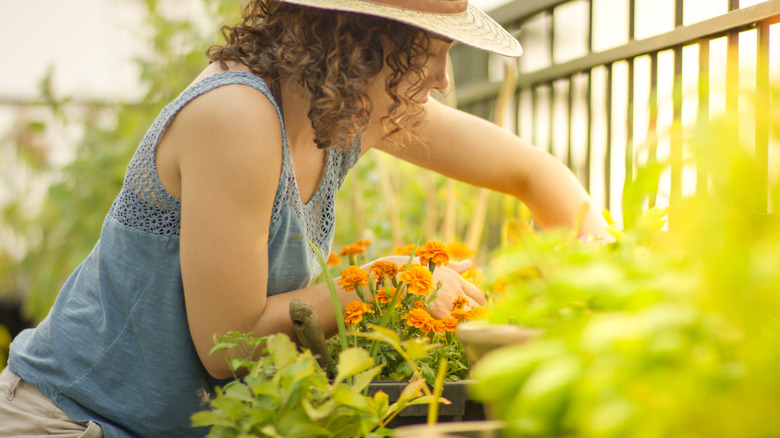
Any gardener worth their salt knows that spring and fall are the ideal times to plant perennials. With cooler air temperatures and workable, warmer soil, these seasons offer the ideal conditions for roots to establish themselves before temperatures climb too high or dip too low. However, you don't have to completely shy away from mid-summer planting. You can still integrate certain perennials in your landscaping even as late as July.
While planting perennials seeds mid-summer isn't a common practice, transplanting nursery pots is certainly plausible. From colorful perennial flowers to lush greenery, there are actually quite a few options that you can still safely plant even in July — catmint, blue fescue, and yarrow to name a few. To give your new perennial the best chance to establish itself, plant it in the early morning or evening to avoid transplant shock from the blazing midday heat. Be sure to water your nursery plant in its pot and again once it's in the ground. You should continue to water your newly planted perennials regularly as they establish their root systems. With all that in mind, you can successfully welcome new perennials to your garden even in the summer, so long as you cater your choices to the plants that can take the heat.
Blanket flower
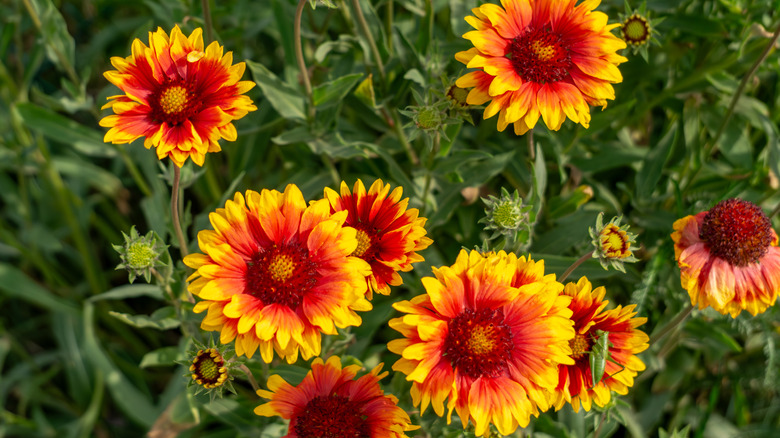
Blanket flowers (Gaillardia spp.) grow perennially in USDA Hardiness Zones 3 to 9, and they're native to North and South America. They typically feature yellow and orange, daisy-like blooms. There are, however, hybrids with different shapes and colors, too. Blanket flowers are tough little beauties. They thrive in full sun, are drought-resistant, and are robust even in the heat, making them eligible to plant in July. Just be sure to establish your blanket flowers in well-drained soil and give them plenty of water while they adjust to their new home.
Catmint
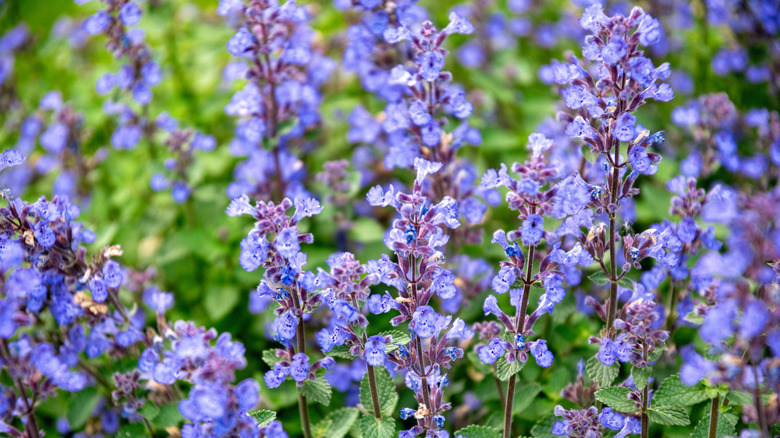
Named for its appeal to felines, catmint (Nepeta spp.) is a mounding perennial featuring delicate, purple flowers and silvery-green foliage. They're hardy in Zones 3 to 8. These plants require full sun and soil with good drainage, but otherwise, they are a very hands-off plant. Catmint isn't prone to pests or disease, and can actually repel aphids and squash bugs. Since they're so easy-going, they are a great candidate for July planting — just be sure to keep the soil moist as it grows. Once it's established, you won't need to water it often, just during extreme heat spells.
Yarrow
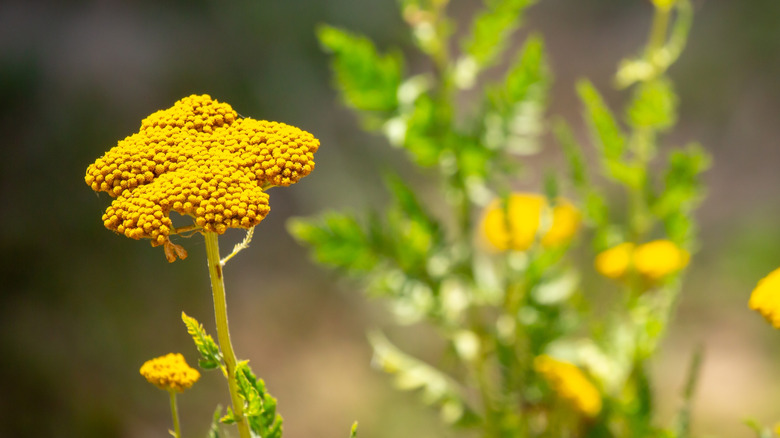
Yarrow (Achillea millefolium) is an herbaceous perennial with fern-like foliage and dramatic, flat-topped corymbs. It's hardy in Zones 3 to 9. Yarrow prefers well-drained soil and full sun, but this sturdy plant can withstand poor soil, drought, and moderate salt. Keep in mind that it's a bit weedy, so you should prepare to divide and control yarrow regularly if you decide to plant it on your property This heat-resistant beauty is a great option to plant in July. Give it the best chance to establish itself by watering it regularly as it settles in.
Asters
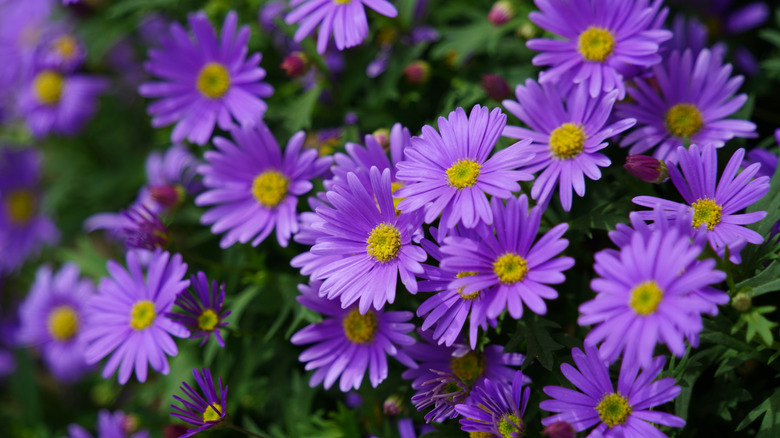
Asters (Aster spp.) are a group of daisy-like flowers that can be blue, pink, purple, yellow, or white. These plants grow upright or mound depending on the cultivar, but across the board, they're hardy in Zones 4 to 8. These blooms aren't just lovely to look at — they can attract pollinators, are very low-maintenance, and thrive in full sun or partial shade. The July heat can actually aid in allowing this plant's roots to grow strong ahead of fall, but plant them in partial shade if you live in a warmer climate.
Foamflower
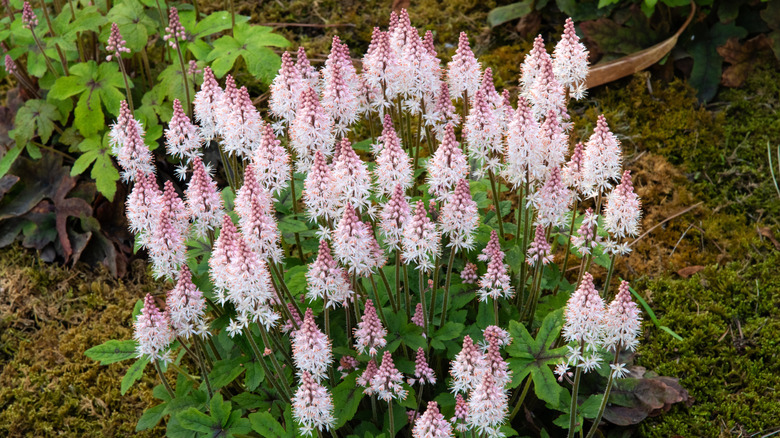
Beloved for their frothy bursts of star-shaped blooms, the foamflower (Tiarella cordifolia) is another perennial you can establish in the middle of summer. These plants grow perennially in USDA Hardiness Zones 3 to 8. They spread generously through runners, quickly forming large colonies, making them excellent for ground cover. While they tend to favor shade and high moisture, they are still suitable to plant in July. You will, however, need to plant them in a spot where they are shielded from the harsh summer sun and put in the extra work to keep them well-watered.
Garden phlox
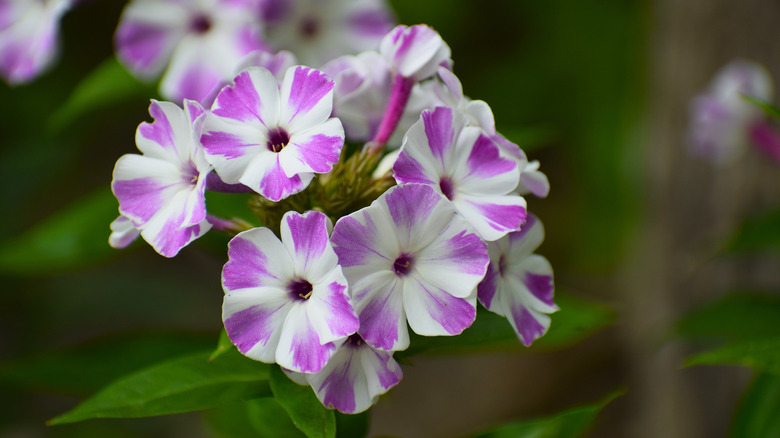
If you're looking for a perennial that will provide an abundance of blooms through the growing season, consider planting the garden phlox (Phlox paniculata) this July. This herbaceous plant grows in USDA Hardiness Zones 4 to 8. They bloom from mid-summer to mid-fall, but you can deadhead blooms to assure that you have the longest blooming season possible. It attracts hummingbirds, bees, and butterflies. Garden phlox can grow in full sun or partial shade, and it likes moist, well-drained, fertile soil. When planting in July, use mulch to keep the soil moist and a bit cooler.
Bee balm
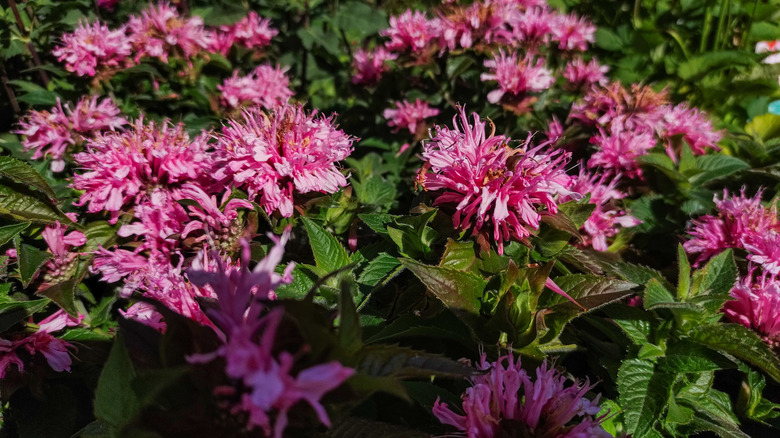
Prized for its showy, frilled blooms, bee balm (Monarda spp.) grows perennially in USDA Hardiness Zones 4 to 9. Their fragrant flowers can be red, pink, purple, or white, and they're a magnet for butterflies, hummingbirds, and, of course, bees. This plant prefers full sun, but it can tolerate partial shade — just make sure the soil is well-watered. You can even apply mulch to help the soil retain more moisture. These plants are susceptible to powdery mildew if they doesn't have adequate airflow, so be sure to space them at least 18 to 24 inches apart.
Daylily
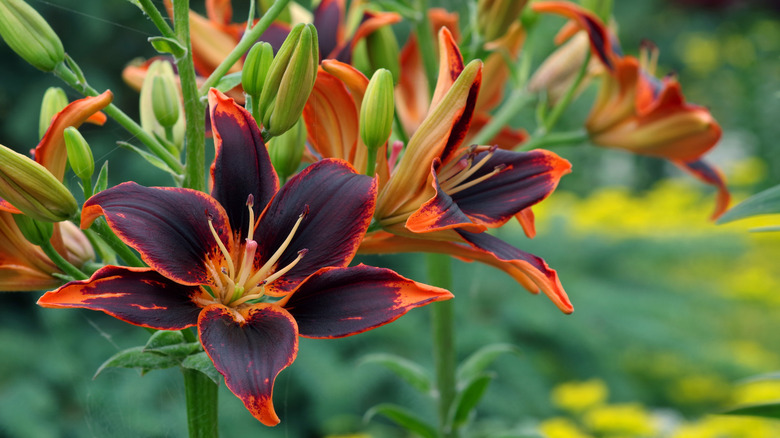
Daylilies (Hemerocallis spp.) are hardy perennials suitable to grow in USDA Hardiness Zones 3 to 9. Each flower only lasts a day, hence the name, but these prolific bloomers produce new flowers from spring to frost. These plants are not true lilies, but they have a very similar bloom. Daylilies can survive in a variety of environments, but they will do best planted in well-draining, fertile soil in a location where they can receive full sun. To give this perennial the best chance at thriving after transplanting it in July, amend the soil with compost for a boost of nutrients.
Coneflower
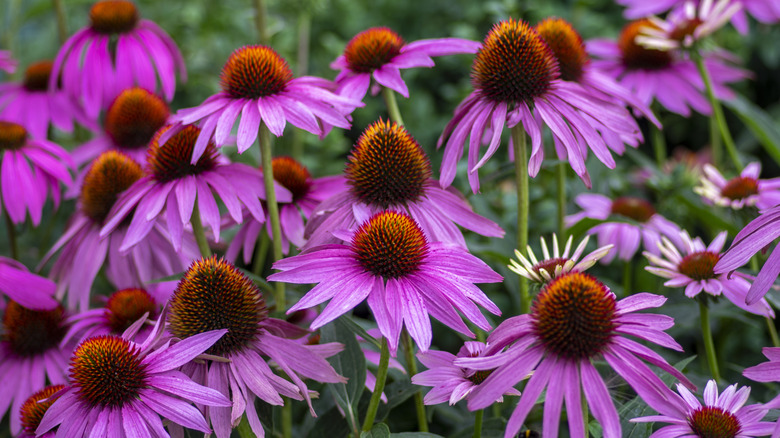
Native to the eastern and central United States, the drought-tolerant coneflower (Echinacea spp.) is practically bulletproof. This native flower grows perennially from Zones 3 to 9. They feature large, disc-shaped blooms in a wide variety of colors, and you can enjoy their flowers from mid-summer to frost. Coneflowers prefer well-drained, rich soil and full sun. Since this plant is so hardy, it can absolutely withstand transplanting in July — just be sure to plant with compost and keep it moist as it establishes itself.
Lavender
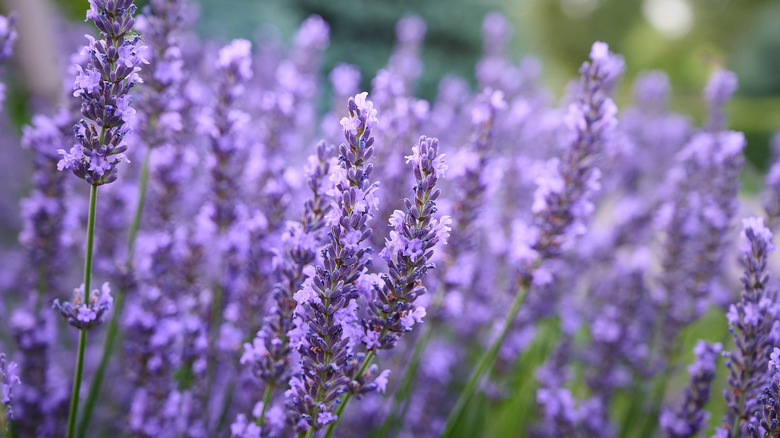
Lavender (Lavandula angustifolia) is an iconic garden staple suitable to grow in Zones 5 to 9. It's famous for its fragrant, spiked blooms. This plant is known to transplant with ease, and it should be placed in well-draining, fairly dry soil. However, it's not too picky about the soil quality. You should still water your lavender more than normal when planting in July, but it will be more forgiving than most newly planted perennials. When your plant is mature, harvest and dry lavender for a variety of purposes from crafting specialty cocktails to creating personal care products.
Stonecrop
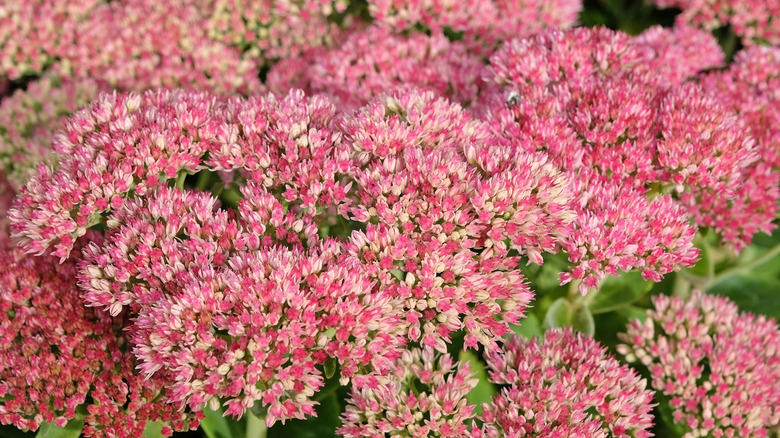
Suitable to grow perennially in Zones 3 to 11, stonecrop (Sedum spp.) is a great candidate for July planting. It features succulent foliage and a spray of star-shaped blooms from mid-summer to fall. They don't call this baby stonecrop for nothing — it's tough as rock! It tends to enjoy full sun, but it can tolerate shade, and as long as the soil you plant it in is well-drained, it can withstand poor or sandy conditions. You won't need to water this plant much, but you should still keep it moderately moist while it establishes itself.
Butterfly weed
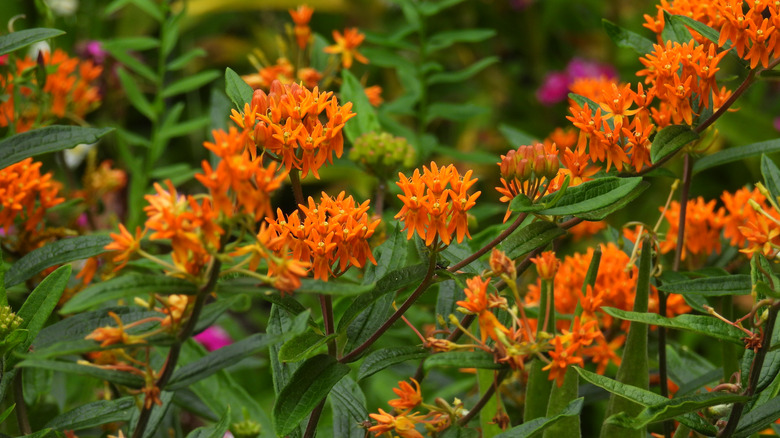
Butterfly weed (Asclepias tuberosa) is hardy from Zones 3 to 9. These beauties feature flat, clustering blooms in a vibrant orange shade. As the name suggests, they attract an array of butterflies including monarchs. Blooming from spring to fall, they offer visual interest all growing seasons. Luckily, it's a breeze to cultivate a beautiful butterfly weed garden, even in July. These flowers tend to favor well-drained, sandy soil. Since they're drought tolerant, they are tough against summer conditions. Just be sure to keep it moist while it establishes its roots.
Forget-me-nots
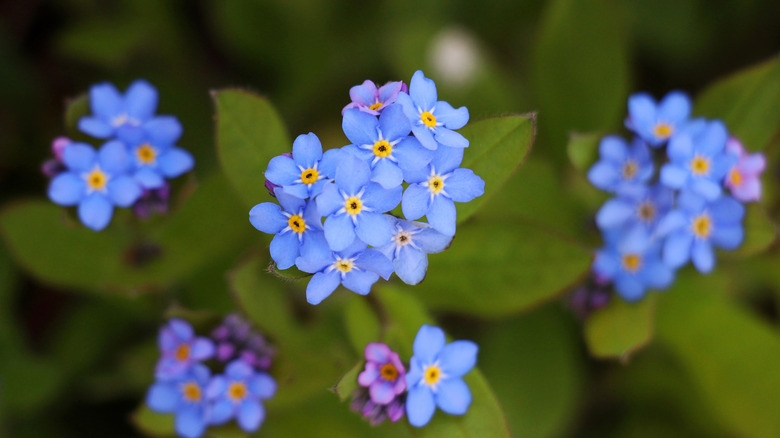
Renowned for their romantic, delicate blooms, forget-me-nots (Myosotis scorpioides) are a hardy perennial that blooms from May to October. They're considered perennials in Zones 5 to 9. These swamp dwellers tend to fare best in moist or even wet environments and partial shade. Even though these flowers love moist soil, they can tolerate heat well when planted in July, you may just need to water them daily or even more often during heat waves. Keep in mind forget-me-not are considered invasive in some regions, particularly in the Midwest and northern states.
Beardtongue
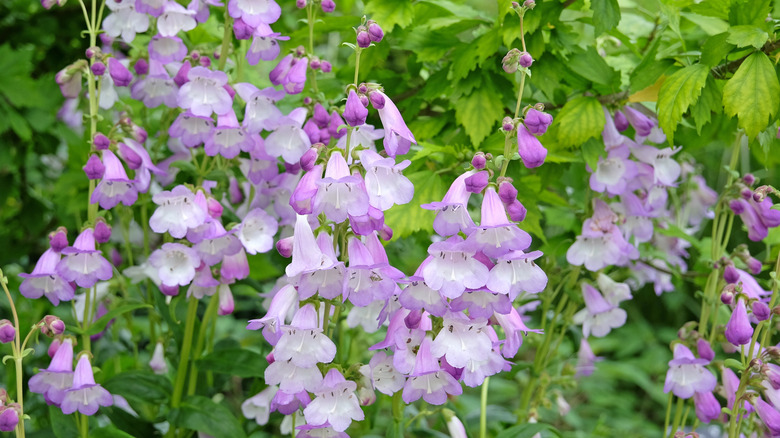
Beardtongue (Penstemon spp.) is an herbaceous perennial native to North America. It's suitable to grow in Zones 5 to 8. These plants feature attractive foliage and trumpet-shaped blooms that hummingbirds love from late spring to early summer. Beardtongues prefer full sun and well-drained soil, but it doesn't need to be overly rich — this can actually cause their stems to droop. As long as you keep your beardtongue well-watered, you can safely plant them in July. Use mulch to help retain moisture. Once established, these beauties are low-maintenance and drought-resistant.
Astilbe
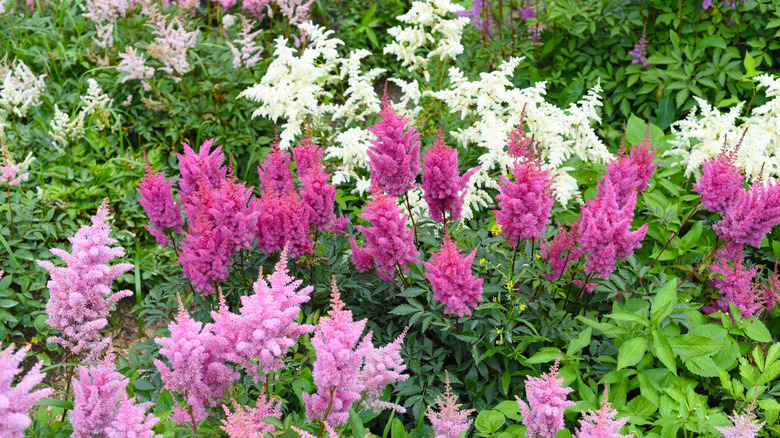
Astilbe (Astilbe spp.) are cherished for their fluffy, whimsical blooms. These low-light lovers are the darlings of any shade garden. They're considered perennials in Zones 3 to 9. The astilbe appreciates moist soil, but it should still be well-drained. When planting in July, be sure to stay on top of waterings, keeping your astilbe nice and moist through the hot summer days. Set your astilbe up for success by planting with compost or aged manure for added nutrients — these plants are heavy feeders.
Blue fescue
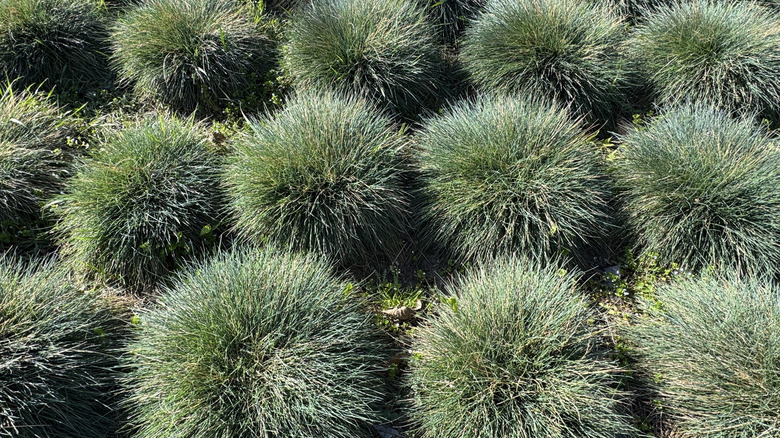
Featuring mounding, silvery-blue foliage, the blue fescue (Festuca glauca) adds airy texture to your garden. It features compact, needle-like grass and upright panicle blooms in the summer, and it is grown perennially in Zones 4 to 8. Blue fescue is drought-tolerant and low-maintenance — just be sure to plant it somewhere it with full sun and well-drained soil. Keep your blue fescue well-watered after you plant it in July. Once it's established, you only need to water it if there's a significant drought.
Hollyhock
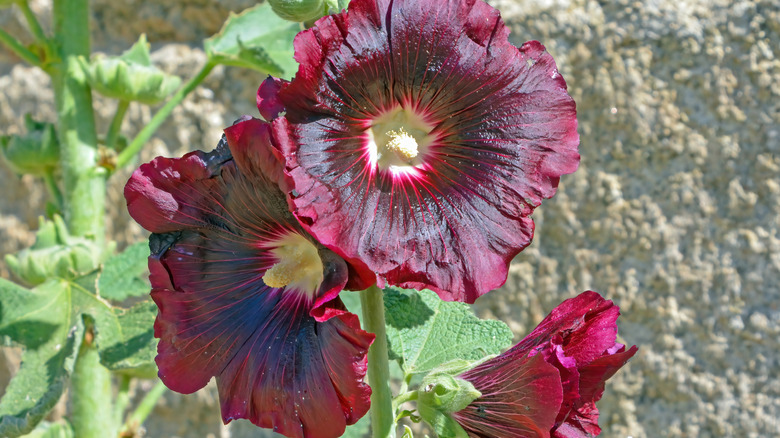
Hollyhocks (Alcea rosea) are a statuesque plant featuring dramatic, hibiscus-like blooms. These short-lived perennials self-seed generously and are hardy in Zones 5 to 9. Hollyhocks prefer moist, well-drained soil and full sun to light shade. While most gardeners directly sow them in the spring, you can buy starts to plant in the summer, too. Not only do you get to skip the seedling phase, but you also get to enjoy blooms right away instead of waiting until the next growing season. They can be delicate in the heat, so consider planting them in light shade.
Blazing star
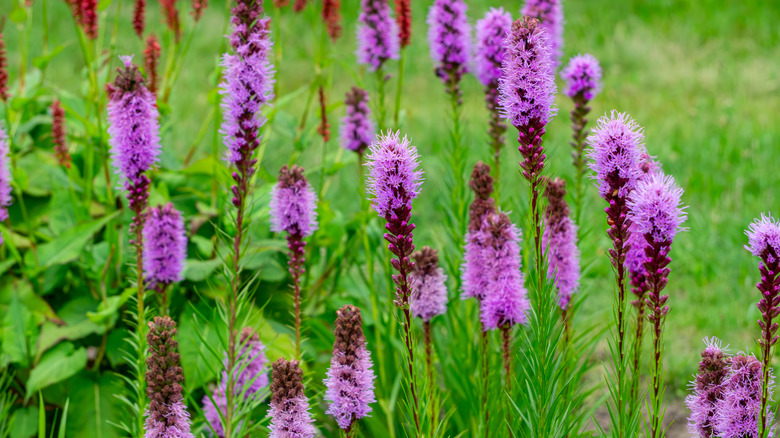
Native to the eastern United States, the blazing star (Liatris spicata) grows perennially in Zones 3 to 8. This upright plant features showy, purple flowers from July to September and is fairly low-maintenance. It does well in a variety of soil conditions, although it prefers moist, well-drained soil. This plant grows marvelously in summer heat and humidity, making it an excellent candidate for July planting — if you keep it moist as it acclimates to its new environment, of course.