

Not Bee Balm, Not Fuchsia: The Violet-Blue Flower That Hummingbirds Can't Resist
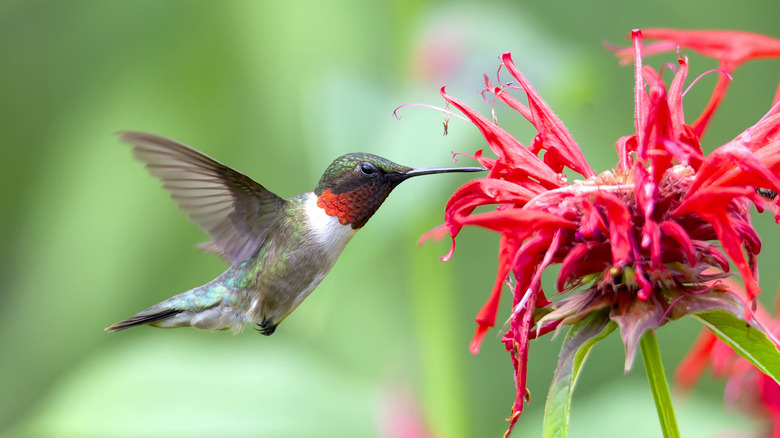
When we talk about drawing more hummingbirds into our gardens, bee balm (Monarda spp.) and fuchsia are always top of mind. These vibrant beauties are a great option to introduce a fiery burst of color to your outdoor space while also encouraging more feathered friends to visit. However, not everyone is keen on these blooms. If you're on the hunt for a flower that's in the cool-tone color family but will still encourage hummingbirds to visit you, look no further than the giant hyssop 'Blue Boa' (Agastache 'Blue Boa').
Sometimes called the hummingbird mint, this upright herbaceous hybrid cultivar features vivid violet to bright blue flowers that grow in long, vertical spikes. It blooms from early summer all the way to early fall, offering your garden longstanding visual interest. This plant typically grows anywhere from 30 to 36 inches tall and 24 inches across. It's a fast-growing perennial that hummingbirds love, as do other pollinators such as bees and butterflies. The giant hyssop 'Blue Boa' carries a minty, licorice-like aroma when rubbed up against. It grows perennially in USDA hardiness Zones 5 to 9 but may need some added protection to survive the winter in places that experience harsher cold. By and large, this plant is considered low maintenance. It's rabbit and deer resistant and typically resilient against pests and disease.
How to grow and take care for giant hyssop 'Blue Boa'
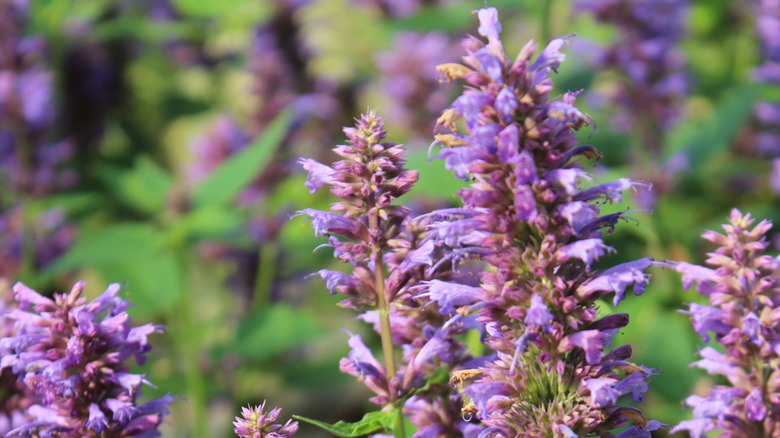
To enjoy the giant hyssop 'Blue Boa' in your yard, plant in the spring. You can also plant it up until mid-summer if you miss that window. It's vital to pick a suitable spot — this plant favors full sun but can tolerate light shade. It does best in dry to moist soil. Most importantly, the 'Blue Boa' requires adequate drainage. It doesn't do well in clay-heavy soil that retains too much moisture. If it has wet feet in the winter, it may not survive the cold weather.
When you find a spot to plant it, dig a hole and fill it with a bit of compost. Plant it in a hole no deeper than its plant plug. Be sure to water it regularly in its first year in your yard. In its second growing season, you can reduce to infrequent but deep watering. Once it's mature, this plant is considered drought-tolerant. It may just need supplemental water during particularly dry seasons. Deadhead blooms to help encourage your plant to have the longest blooming season possible. At the end of the growing season, leave the stem and the foliage intact so the plant will be better protected while overwintering. Once spring rolls around again, you can trim back the old foliage to right above the new growth.
The 'Blue Boa' plays nicely with an array of different perennial plants, offering vertical interest to fill in around lower-growing flora. Since bee balm and fuchsia have similar care needs, you can actually grow them in the same garden if you'd like. These beauties would make for a stunning, colorful display when paired together.