

Not Roof Panels: The Energy Efficient Alternative That's Worth Considering
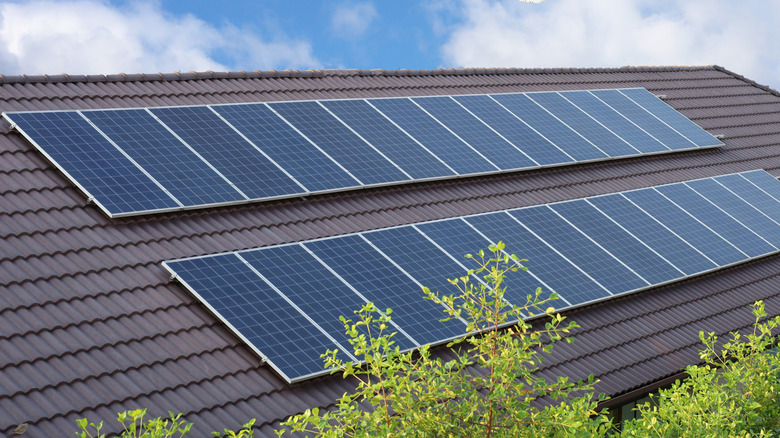
One hike after another. Every year, you watch your electricity bill creep a little higher. Soon, going solar starts to feel like the obvious move. However, when you start looking, every search result points to the same thing: solar panels bolted to a roof. There are other alternatives, though – alternatives that are much more efficient and easier to install. Take, for instance, ground-mounted solar panels. Then again, why is rooftop solar everywhere you look? And why has it become the option most people think of first?
The logic is pretty simple: Use the space you already have and keep your yard free for other activities and projects. However, that convenience comes with a few assumptions. Your roof needs to be properly oriented, structurally sound, and relatively free of significant shading. Ideally, it should also have a remaining lifespan that matches a solar system that could operate for 25 years or more without interruption. For many homeowners, a closer inspection reveals that at least one of those assumptions is only partly true, if true at all. That's exactly where a ground-mounted solar system can become the more sensible choice.
A ground-mounted system is built from scratch specifically for solar generation. That means installers can place it at the ideal angle and direction, avoid nearby shade, and design the layout for maximum energy production instead of working around the limitations of an existing roof. Put simply, ground-mounted systems are better (read also: more efficient). You just need to make sure that you are aware of the biggest scams to watch for with solar panel installers.
Ground-mounted panels produce more energy and scale more easily
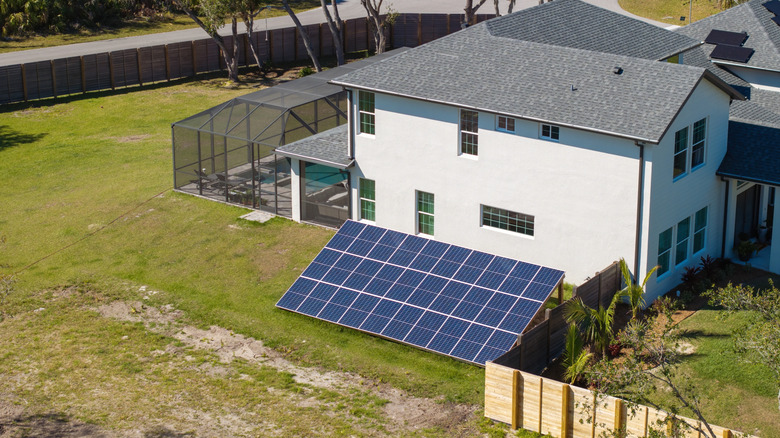
Ground-mounted solar systems can achieve 15% to 25% greater production than rooftop counterparts. The efficiency gap between them, however, has nothing to do with the panels, as the same panel technology can be used in either setup. Instead, it often comes down to temperature and placement. Solar panels lose approximately 0.3% to 0.5% of their power output for every two degrees Fahrenheit above 77 degrees Fahrenheit. And since rooftop panels sit flush against shingles that absorb and radiate heat throughout the day, they can get quite hot.
Ground-mounted solar arrays, by contrast, have open clearance on all sides. This means air can circulate freely under and around the panels, keeping them cool and increasing their output. Other than that, orientation is another variable. Rooftop systems are locked into whatever direction and tilt your roof dictates, while ground-mounted systems can be positioned in a way that captures the highest possible kilowatt-hours per panel over the course of a year.
Scalability is another area where ground-mounted systems can have an advantage. If your energy needs increase in the future, expanding or scaling a ground-mounted array is much easier than doing so with a roof-mounted system. Maintenance follows a similar pattern. Ground-mounted panels often sit at eye level, so you can easily keep your solar panels clean and conveniently inspect them after storms. Cleaning rooftop panels, on the other hand, may require professional service or ladder work, something many homeowners would rather avoid.
Despite the upfront premium, ground solar panels come out ahead
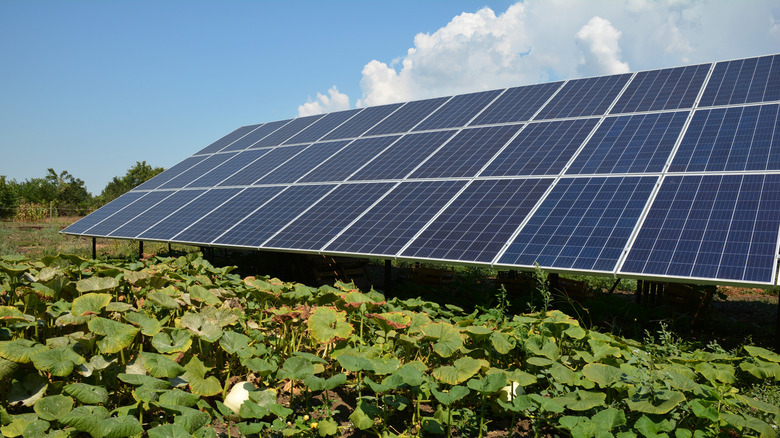
Probably the biggest factor preventing homeowners from installing ground-based solar systems, despite their advantages, is the high upfront cost. Rooftop solar panels typically cost $2.75 to $3.75 per watt, while ground-mounted systems cost $3.25 to $4.75 per watt. Now, this might not seem like a big difference at first, but when you scale it per kilowatt, it can add roughly $500 to $1,000 per kilowatt of installed solar capacity. These numbers, however, need two pieces of context before you decide to install solar panels on your tile roof.
First, roofs don't last forever. Many need to be replaced within 15 to 20 years. So, unless the solar is installed right after a new roof is put in, the panels may need to be removed and reinstalled when roof work becomes necessary, adding to future costs. Second, the return-on-investment data also favor ground installations. As already stated, they produce 15% to 25% more energy than rooftop solar systems, which can significantly shorten the payback period, especially if you sell the excess power to the grid.
That said, ground-mounted solar systems are not always the right fit. The most obvious constraint is space. A typical residential system requires at least 100 square feet of clear, unshaded ground per kilowatt of capacity, effectively ruling out many urban and suburban properties. Homeowners Association (HOA) restrictions are another barrier. Before moving forward with a ground-mounted solar project, check local regulations and HOA requirements to determine what is allowed on your property.