

The Hazardous Feature In 1900s Homes That Is Completely Illegal Today
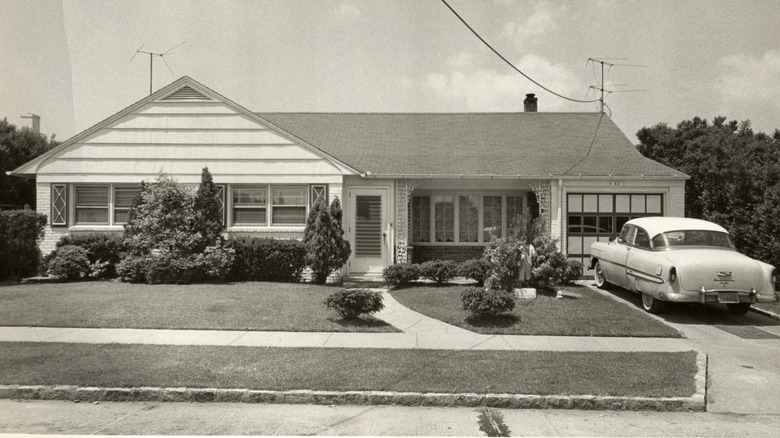
There's an interesting home feature that you won't see around today that began to grow in popularity in the early 1900s, one that would have the neighbors green with envy. While it was a product that was introduced as a solution to a growing problem in cities across the U.S., it ultimately came under regulatory fire decades later. It was the in-home incinerator, where your trash would enter and magically be turned into nothing more than an ashen pile. The design of this home appliance, which in some cases was around the size of a washing machine that could be comfortably fitted into a basement, was fairly simple: Waste was placed inside and then burnt at a high heat.
Following its introduction into the U.S., the appliance grew in popularity over the next few decades, becoming a coveted home addition for American families. At the time, their utility was clear: You could simply burn your trash right in your home, and some models even allowed you to use that heat to make your living spaces warm and cozy. By 1960, New York City apartment buildings alone had over 11,000 incinerators in use, per research by Colombia University, while PBS reports there were over 1 million active incinerators in the Los Angeles area around then as well. It was a few decades later that the environmental impacts and safety risks became more evident, which ultimately led to its demise. Today, you won't find these home appliances in use in the U.S., not legally at least, as they are banned outright as a hazardous household item.
What led to the ban on the in-home incinerator?
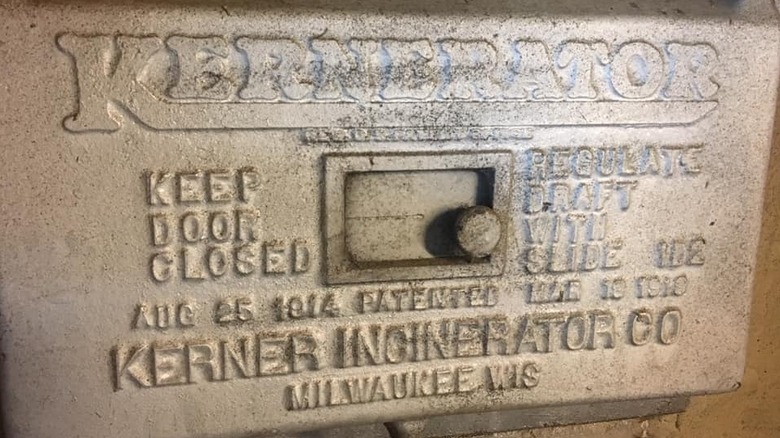
Media reports at the time explained that the waste would be 'dehydrated,' but as we all now know, there was quite a bit more to it. A few decades after the introduction of the in-home incinerator, the risks associated with these appliances were becoming more clear, with studies during the second half of the 20th century revealing that several harmful particles were being emitted as a result of the incineration process, some of which included metals. The Clean Air Act (CAA) of 1970 would eventually regulate the use of larger municipal incinerators, but the burning of residential waste was gradually being outlawed for over a decade before that. Famously, Los Angeles banned home incinerators in 1957, and other states and counties enacted similar regulations in the years that followed.
In the early 1980s, the New York City Housing Authority committed to putting an end to all incinerators in the area by 1987. A representative for the city declared to the New York Times that the organization would be shutting down over 800 incinerators and reducing about 1,150 tons of emissions at the same time. Looking back, it's quite surprising that the domestic incinerator actually lasted as long as it did. Today, we have improved waste management and curbside recycling services that make sure our garbage doesn't pile up inside our homes. Thankfully, the home incinerator is simply a thing of the past.