

The 8 Best Fragrant, Romantic Flowering Shrubs That Aren't Roses
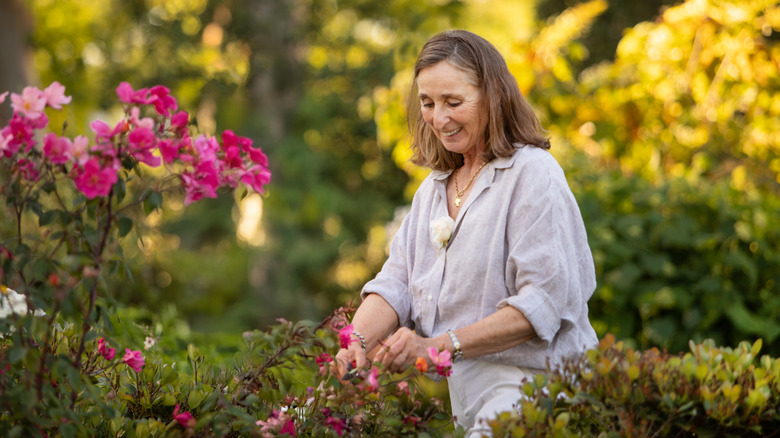
For many, there's nothing quite as sweet as waking up to a vase of freshly cut roses. After all, the rose is a timeless symbol of love, at least according to many of the greatest poets, painters, and directors of the romance genre. The association dates back to antiquity, with the Bard himself even proclaiming, "Of all flowers, methinks rose is best." Lord Alfred Tennyson also stated it simply in his poem "The Roses on the Terrace" when he wrote, "Two words, 'My Rose,' set all your face aglow."
Beyond poetry, there are many reasons why we associate roses with chaotic, but overwhelming feelings of romantic love. Their deep red color reminds us of the blood pumping through our hearts, and the flower's unique fragrance and soft petals juxtapose its sharp thorns, which, if left untended, can lead to a few scratches.
Despite their beauty and long-established association with romance, however, roses are famously difficult to grow. They thrive in moist soil, but their roots can rot if you overwater them. It's also true that diseases can hop from rose petals that fall to the ground and even spread to the rest of your garden — a not-so-romantic predicament. Thankfully, roses are far from the only flowering shrub you can add to your garden. So, extend a gesture of originality to your lover by picking out something new and unexpected — maybe even something that doesn't have a thorn. From fresh-smelling peonies to lush hydrangeas, these beauties are still sure to impress.
Peonies
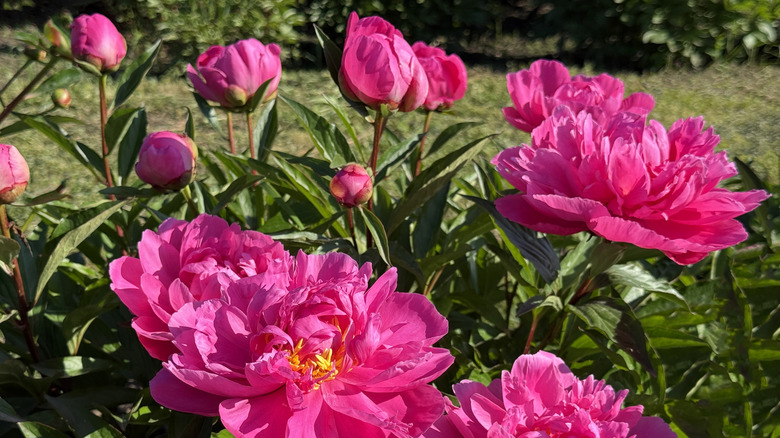
Before the plum blossom took over as China's national flower, it was the peony (Peonia officinalis). They were proudly displayed in gardens and even used for medicinal purposes, like treating muscle cramps and upset stomachs. You might associate this flower with the color pink — like roses — but they also come in white, yellow, coral, and more, and can make a vibrant yard display. Most varieties will bloom in late spring, and they're also perennials, meaning you can count on them to bloom again next year. You can grow this flower in USDA Hardiness Zones 3 through 9.
Camellia
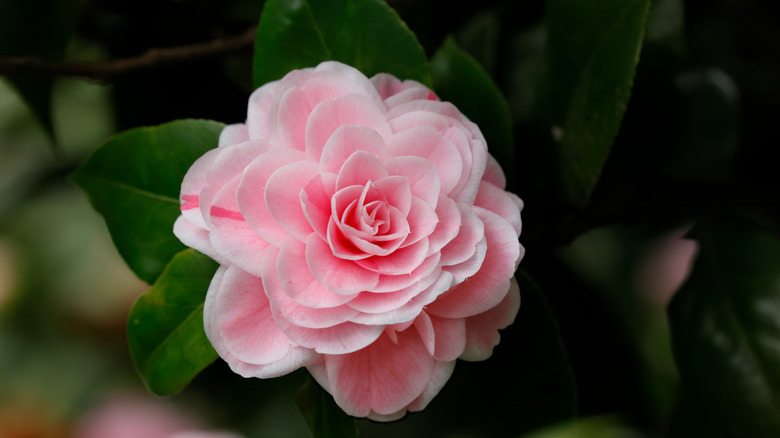
If you look closely, you might easily mistake camellia (Camellia ssp.) bushes for roses. They have a strikingly similar appearance, with their blushing pink, red, white, or yellow petals. It's also easy to learn how to take care of camellia plants, which can quickly add dimension and color beside your home. Plus, you won't have to worry about thorns like you would with roses; these rose bush lookalikes have smooth stems. Camellias typically grow best in Zones 7 through 10.
Gardenia
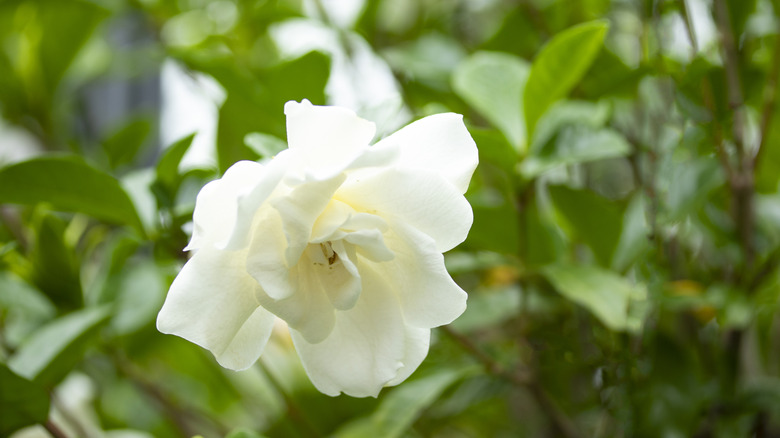
Gardenia (Gardenia jasminoides) is a tropical shrub that is sure to capture attention with its massive whorl of white petals. It also boasts a bold, intoxicating fragrance, which is most present after the sun sets. This makes it the perfect flower for a romantic evening. You can enjoy these blooms from spring through fall if you live in Zones 8 through 11.
Lilac
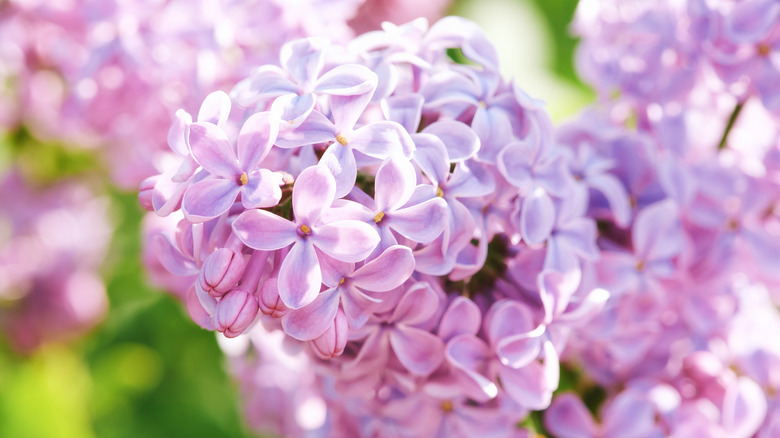
There are romantic songs and poems about roses, but lilacs (Syringa vulgaris) have a few memorable tunes about them, as well; think Nina Simone singing "Lilac Wine," or Frank Sinatra's "We'll Gather Lilacs in the Spring."As Sinatra helpfully notes, these flowers typically bloom in the late spring, and they flourish in Zones 3 through 7. They're also known for their powerful smell, so you can count on them adding a certain sweetness to your garden as the season turns to summer.
Wisteria
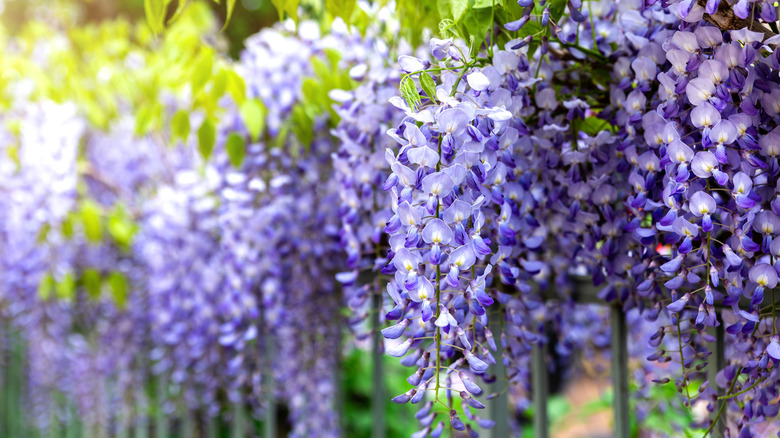
Wisteria (Wisteria sinensis) comes in both Asian and American varieties, with the former living up to 100 years in Zones 5 through 9. The longevity of this plant makes it an apt metaphor for an enduring love. This perennial's intermingled vines lock together as they grow, sometimes extending as much as 25 feet along anything they can grab onto. Their often purple flowers drape their progress like frozen droplets. While roses can represent the fires of sudden passion, wisteria reminds us of how relationships are often strengthened through struggle and time.
American witch hazel
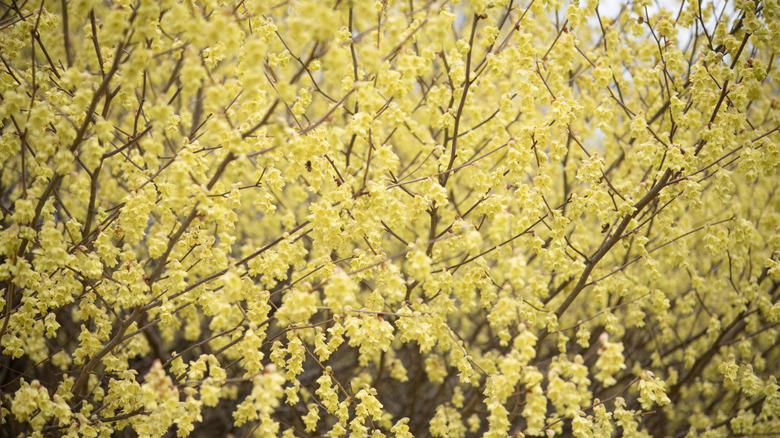
American witch hazel (Hamamelis virginiana) will add a rare pop of color to your winter garden, and flourishes best in Zones 4 through 8. Unlike most flowering shrubs, they'll bloom bright orange, red, or yellow between October and March, coloring your space even during the coldest seasons. You also might be familiar with witch hazel due to its purported medicinal benefits, which include treating things like inflammation and acne. It's also a shrub that pollinators love and deer don't like, a healthy choice for your garden, and possibly a DIY addition to your skincare routine.
Hydrangeas
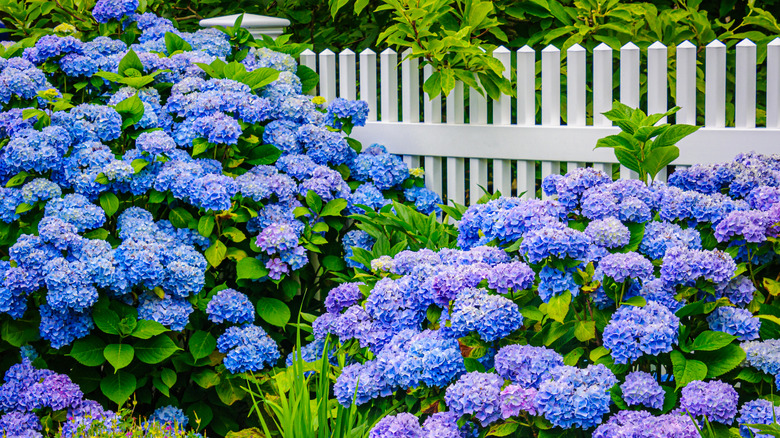
Hydrangeas (Hydrangea spp.) often come in big, bold blues, but you've also probably spotted them in purples, pinks, and whites depending on the acidity of the surrounding soil. Not only are they perennials, but they can also bloom for up to two months — or most of the summer — in hardiness Zones 3 through 9. These audacious flowers could best represent a fulfilling, exciting summer romance.
Azaleas
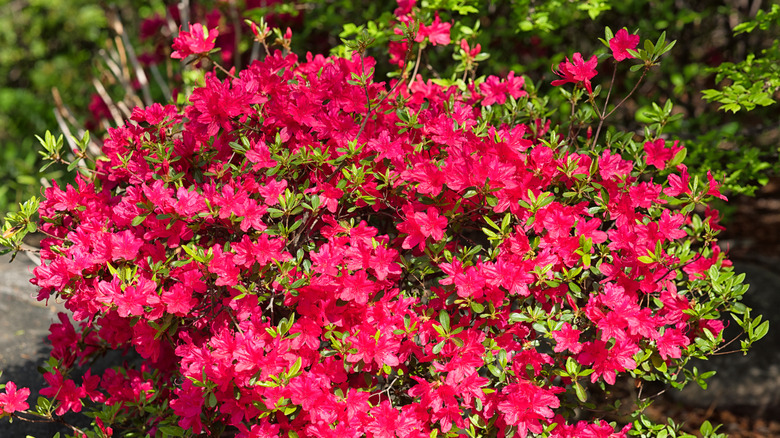
Azaleas (Rhododendron spp.) are a wonderful shrub to add texture and color to the outside of a home. They thrive in Zones 6 through 8 and tend to bloom from February through May. The secret to growing azaleas is vinegar, because it lowers the soil's pH. These flowers appear in a variety of colors, including pink, yellow, and lavender. In Chinese tradition, the plant represents womanhood, making it a great pick for a garden in need of some vibrant beauty. Make sure to select a deciduous variety if you're after fragrance, however, as many evergreens are scentless.