

Bring Tropics Into Your Home With A Deliciously Sweet Plant You Can Grow In Pots
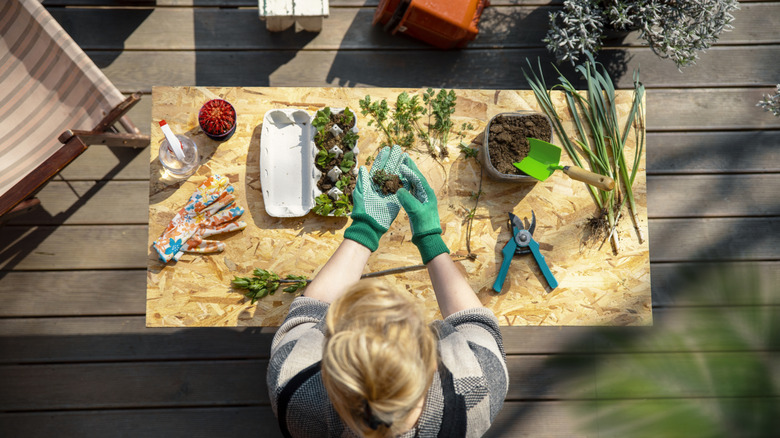
One of the best things about indoor gardening is that you can curate a variety of plants that normally thrive only in specific climates. For many, this includes tropical plants that bring life and color to your interior spaces, all while serving as conversation starters. However, tropical houseplants don't have to offer purely visual appeal. Instead, when you choose a container-friendly plant like dragon fruit, you can also take advantage of the sweet, edible fruit it produces, allowing it to pull double duty in your home.
Dragon fruit (Selenicereus undatus) goes by many common and historical scientific names, which can make identifying it a little confusing. You may see it listed in several previous genera, such as Cereus or Hylocereus. However, one thing remains the same: It's a member of the cactus family that blooms at night with show-stopping, fragrant flowers that eventually give way to a unique, deliciously sweet fruit. It also happens to grow well in a container and as a houseplant, which is perfect if you don't live in the tropical climates it's native to.
If you're growing dragon fruit in a pot specifically for its fruit, you'll want to choose the right cultivar. Not all types of dragon fruit are self-pollinating, so for an indoor houseplant, you may prefer a choice such as the Sugar Dragon or Bien Hoa Red cultivars, both of which are known for being self-fertile.
How to grow dragon fruit in a pot
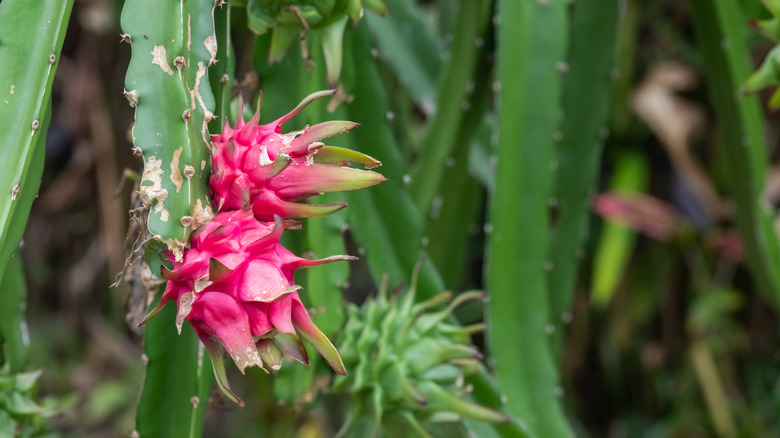
When working with dragon fruit plants, protect your hands with heavy-duty gloves, as the plants frequently have sharp spines. It's also recommended to plant dragon fruit at the start of spring so it can take full advantage of its natural growth period, which generally spans March through August. When you grow dragon fruit indoors, you don't need to worry about factors such as USDA growing zones. This can be a relief for beginner gardeners who are still struggling to figure out how their zone affects plant selection. However, when you're growing any plant in a container, you'll still need to pay attention to soil, moisture, and light.
Growing dragon fruit in a container gives you more control over soil conditions. However, many gardeners may be surprised to learn that an expert-level understanding of soil pH and types isn't necessarily required for successfully growing dragon fruit. Instead, the main focus should be on maintaining adequate nutrients and moisture. Dragon fruit does best when fertilized regularly through the growing season.
As a member of the cactus family, dragon fruit is naturally drought tolerant. However, it's also a tropical plant, so providing the right amount of moisture is key to its success. This is especially true in regard to humidity, which it needs more of than other cactus varieties. Learning how to increase humidity for your plants – such as growing them in the bathroom or investing in a humidifier — can help. When it comes to sunlight, offer dragon fruit plants full sun. That said, if you're moving your plant outdoors during the summer, take care to avoid excessive sun exposure, as it can damage the plant.