

Neither Sage Nor Thyme: There's Another Summer-Blooming Herb Pollinators Love
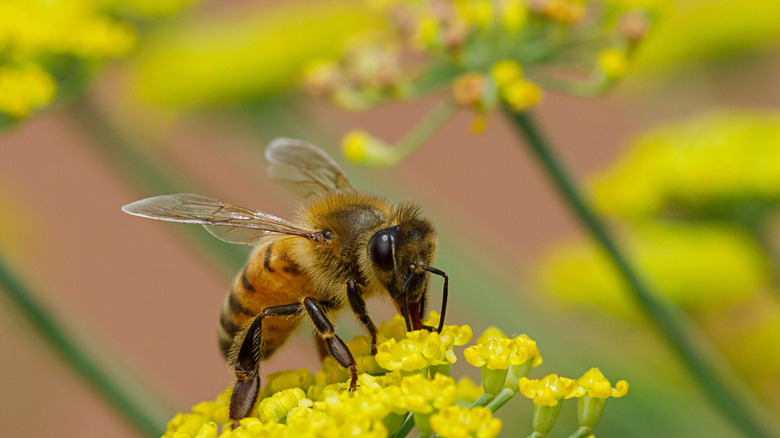
There are many herbs you can grow to repel unwanted pests — but what about attracting those critters you do want? Pollinators come in a variety of shapes and sizes, and they play a big role in turning your garden into a thriving, beautiful space. If you want to start your own pollinator garden, there are various plants you can cultivate, including popular pollinator-magnet herbs like sage and thyme. However, you can also opt to incorporate this summer-blooming herb that pollinators love.
Dill (Anethum graveolens) is one of those handy herbs that pulls more than just double-duty in your garden. On the surface, they're a pollinator-friendly culinary herb, which means you can use them to attract your favorite beneficial animals while also elevating your next meal. Dill is a fragrant plant, and it produces eye-catching, bright-yellow flowers throughout the summer — it's these flowers that make it such a hit among pollinators. In fact, dill flowers attract a variety of species, including bees, butterflies, hummingbirds, hoverflies, and other incidental pollinators like wasps and ladybugs. One big difference between dill and other herb options, like sage or thyme, is that it's a self-seeding annual. As a result, it won't come back year after year unless you allow it to disperse its seeds. This can be helpful if you want a fresh, new garden with unique pollinator-friendly plants each year.
How to grow dill to attract pollinators
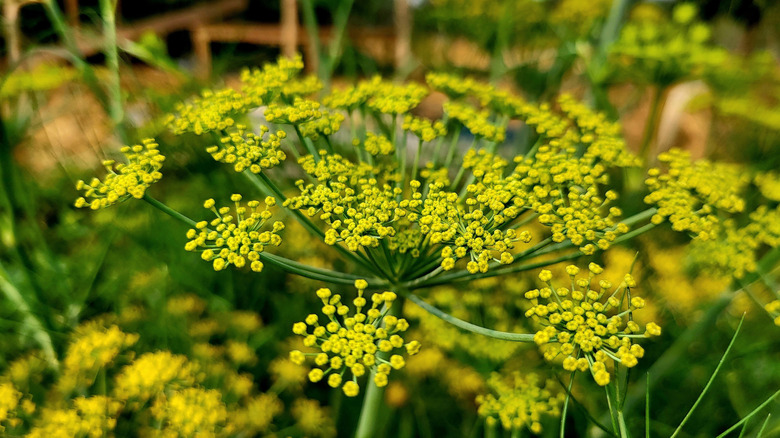
Dill is overall considered simple to grow, which makes it an easy plant for beginner gardeners looking for a multi-purpose herb to elevate their outdoor space with. Because it is an annual, you won't need to worry about specifics like overwintering or USDA growing zones. However, for the best results and greatest pollinator appeal, you will want to brush up on the proper way to care for this plant.
Because dill grows easily from seed, you may wish to save the seeds and replant them each year. Just keep in mind that if you do grow dill from seed for your pollinator garden, it doesn't transport well. As a result, you'll want to wait until no more than two weeks before your final frost date and plant them directly where you intend to grow your dill plants. It takes up to two weeks from germination, but the plant generally has a medium growth rate, which means it won't be long before you're enjoying the pollinators that dill can attract. This is especially true if you provide the right growing environment.
Dill can survive in both full sun and partial shade, although it does better with the former. This means that planting it in a south-facing location can often yield the best results, though it may also handle east- or west-facing spots with ease. Dill requires soil with good drainage, and, because it's not tolerant of drought, it will require regular, consistent moisture.