

Skip Gravel Driveways: The Recycled Material That's Cheaper And Sturdier
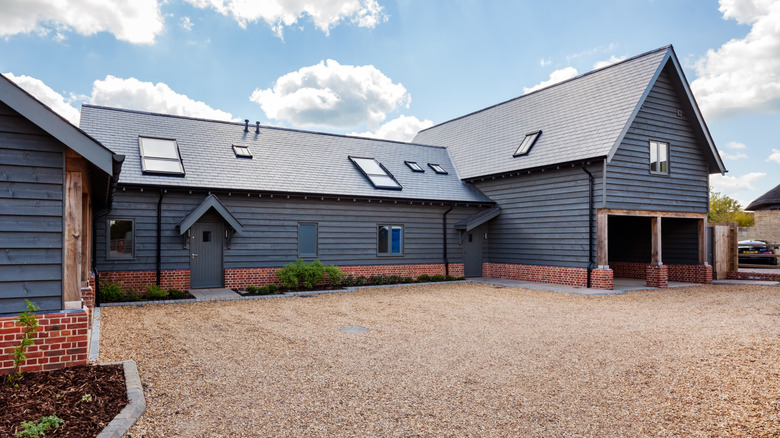
Gravel is a popular choice for driveways. It's attractive, readily available, affordable, and, unlike asphalt, poured concrete, or paving, relatively easy to install. However, when it comes to eco-friendly ways to replace a worn-out driveway, there are a couple of issues. Although gravel is a natural material, it isn't renewable. There are also concerns about extraction destroying habitats like river beds. There is an alternative that's cheaper, sturdier, and that turns a negative impact on the environment into a positive one. It's called recycled concrete aggregate (RCA).
Anyone interested in sustainability and renewability might be hearing alarm bells at this point. Concrete? Don't experts tell us that the production of concrete is one of the world's biggest sources of the carbon emissions responsible for global warming? The important point here is that RCA is made from waste concrete, usually from demolition projects: things like old buildings, torn-up sidewalks, and roads. Normally it would go into landfill, where it could take hundreds of years to break down, all the while with the threat of chemicals getting into the ground and our water systems. Instead, it is crushed up and turned into something useful.
In several ways recycled concrete aggregate is also a better driveway material than gravel
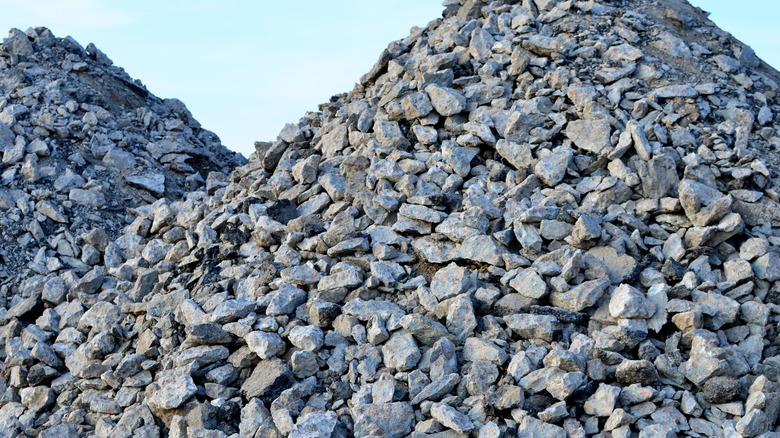
One of the drawbacks of gravel for driveways is that the weight of vehicles pushes it around, creating ruts. It needs regular attention to keep it level and looking good. Recycled concrete isn't smooth like gravel; it's slightly coarse. Driving over it helps compact it. So over time, the surface gets stronger and more solid. RCA also requires less maintenance than gravel and is around 30% cheaper.
It's not all good news, though. There are different types of gravel options available, resulting in a variety of textures and colors to suit your home's aesthetic. Meanwhile, recycled concrete aggregates look like... concrete. There might be a few spots of color if crushed brick, tile, or other material got mixed in, but mostly it's a pretty uniform shade of gray. It could work well with some architectural styles, but it won't suit everyone.
If a particular appearance isn't a priority, recycled concrete aggregate has a lot going for it. It's hard-wearing and free-draining, and if you look at how much it costs to replace a driveway, you'll be hard-pressed to find anything cheaper. It also takes a material that started out as one of the worst polluters on the planet and turns it into something that's actually better for the environment than many of the alternatives.